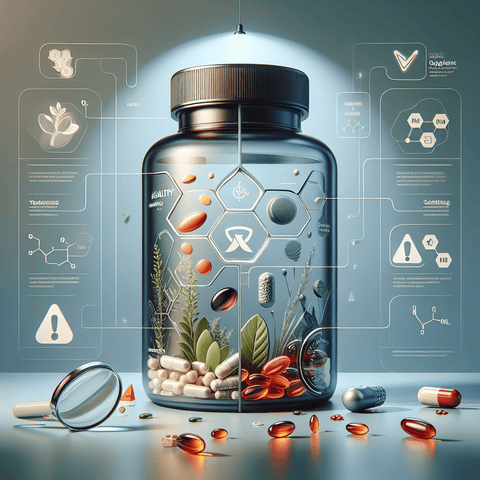
Sì, gli integratori possono causare effetti indesiderati. Vitamine, minerali, estratti vegetali, acidi grassi e altri ingredienti sono sostanze biologicamente attive: la loro tollerabilità dipende dalla dose, dalla formulazione, dalle condizioni individuali e dagli eventuali farmaci assunti. In questo articolo trovi come riconoscere una possibile reazione, quali segnali non trascurare e come valutare con maggiore prudenza la tua routine di integrazione.
Quali sono gli effetti collaterali più comuni?
Gli effetti indesiderati non indicano necessariamente un’intolleranza o un’intossicazione. Possono dipendere dall’ingrediente, dall’assunzione a stomaco vuoto, dalla somma di più prodotti o da una causa non correlata all’integratore.
- Disturbi digestivi: nausea, crampi, gonfiore, gas, feci molli o diarrea possono comparire, per esempio, con alcune dosi di magnesio o ferro.
- Mal di testa, agitazione o stanchezza: possono essere associati a stimolanti o a dosi elevate di alcuni nutrienti, ma hanno molte possibili cause.
- Stipsi e nausea: sono disturbi comuni con il ferro, soprattutto se la dose o la formulazione non sono ben tollerate.
- Alterazioni della pelle: prurito, orticaria o arrossamento possono indicare una reazione a un ingrediente, a un eccipiente o a un allergene.
Come capire se un integratore causa i sintomi
Non è sempre possibile stabilire il rapporto di causa-effetto solo osservando un sintomo. I sintomi possono essere aspecifici e comparire subito oppure dopo giorni o settimane. Un approccio ordinato può aiutare il professionista sanitario a valutare meglio la situazione.
- Controlla la cronologia: annota nome del prodotto, ingredienti, quantità indicata in etichetta, orario di assunzione e momento in cui compaiono i sintomi.
- Esamina tutti i prodotti: verifica se più integratori contengono lo stesso nutriente, come vitamina D, calcio o vitamine del gruppo B.
- Considera il contesto: annota cambiamenti nella dieta, malattie recenti, stress, alcol, attività fisica e farmaci iniziati o modificati.
- Chiedi un parere: farmacista, medico o altro professionista qualificato può aiutarti a valutare etichetta, dose, interazioni e necessità dell’integratore.
Non usare i sintomi da soli per diagnosticare una carenza. Se sospetti una carenza, la valutazione clinica e, quando indicato, gli esami possono essere più appropriati dell’autosomministrazione di dosi elevate.
Segnali di intolleranza agli integratori
Nausea persistente, diarrea ricorrente, mal di testa, eruzione cutanea o formicolii meritano attenzione, soprattutto se iniziano dopo l’introduzione di un nuovo prodotto o dopo un aumento della dose. Per disturbi lievi, chiedi consiglio prima di ridurre, sostituire o sospendere l’integratore. Una formulazione diversa non è automaticamente più sicura o più efficace.
Quando gli effetti collaterali richiedono assistenza urgente?
Rivolgiti subito ai servizi di emergenza, chiamando il 112 in Italia, in presenza di difficoltà respiratoria, gonfiore di labbra o lingua, svenimento, confusione, convulsioni, dolore toracico o palpitazioni intense.
Contatta rapidamente un medico anche in caso di ittero, cioè colorazione gialla della pelle o degli occhi, urine molto scure, dolore addominale intenso, vomito persistente, sanguinamento insolito o sintomi neurologici importanti. Non aspettare che un sintomo grave scompaia da solo e non modificare una terapia prescritta senza indicazioni mediche.
Chi dovrebbe prestare particolare attenzione?
È opportuno chiedere un parere professionale prima di iniziare o combinare integratori se sei in gravidanza o allattamento, se l’integratore è destinato a un bambino, se hai una malattia del fegato o dei reni, se assumi farmaci o se stai già utilizzando diversi prodotti. Anche le persone anziane possono avere un rischio maggiore di duplicare nutrienti o creare interazioni.
La sicurezza dipende da ingrediente, dose, durata d’uso, qualità del prodotto e situazione individuale. Naturale non significa automaticamente privo di rischi e una dose maggiore non è necessariamente migliore.
Interazioni tra integratori e farmaci
Le interazioni possono ridurre l’efficacia di un farmaco, aumentare gli effetti indesiderati o alterare i risultati degli esami. Alcuni esempi richiedono particolare prudenza:
- Vitamina K: può interferire con alcuni anticoagulanti; chi segue questa terapia deve chiedere consiglio prima di assumere prodotti che la contengono.
- Erba di San Giovanni o iperico: può modificare il metabolismo di diversi medicinali.
- Biotina: può interferire con alcuni esami di laboratorio, inclusi determinati test ormonali. Informa il medico o il laboratorio di tutti gli integratori che assumi.
- Minerali: calcio, ferro, magnesio e altri minerali possono interferire con l’assorbimento di alcuni farmaci. La distanza oraria corretta dipende dal medicinale.
- Omega-3 e altri prodotti: possono richiedere una valutazione individuale se assunti insieme a farmaci che influenzano la coagulazione.
L’elenco non è completo. Porta al professionista una fotografia dell’etichetta o l’elenco aggiornato di farmaci e integratori, comprese tisane ed estratti vegetali.
Integratori da non assumere insieme: esistono cinque combinazioni sempre vietate?
Non esiste una lista universale di cinque integratori che nessuno possa mai assumere insieme. Il rischio dipende dalle dosi, dalla durata, dagli ingredienti e dalla salute della persona. Alcune combinazioni, tuttavia, richiedono attenzione:
- Calcio e ferro: assunti nello stesso momento possono ridurre l’assorbimento l’uno dell’altro; la gestione dell’orario va concordata se entrambi sono necessari.
- Più prodotti con vitamina D e calcio: possono aumentare inutilmente l’apporto complessivo e il rischio di un eccesso.
- Vitamina A preformata e altri prodotti che la contengono: la duplicazione può aumentare il rischio di un apporto eccessivo.
- Più stimolanti o miscele energizzanti: possono sommare effetti come agitazione, insonnia o palpitazioni.
- Integratori che influenzano la coagulazione: la combinazione tra più prodotti e farmaci può richiedere una revisione professionale.
Controlla sempre la tabella nutrizionale e la porzione giornaliera raccomandata in etichetta. Non aggiungere un secondo prodotto solo perché contiene un ingrediente già presente nel primo.
Vitamine A e D: sono quelle con il maggiore rischio di tossicità?
Le vitamine A e D sono liposolubili e possono accumularsi più facilmente nell’organismo rispetto alle vitamine idrosolubili. Per questo dosi elevate o l’uso simultaneo di diversi prodotti meritano cautela. Un eccesso di vitamina A può essere dannoso per il fegato e un eccesso di vitamina D può alterare il metabolismo del calcio e mettere sotto stress i reni. Non è però corretto stabilire in assoluto quali siano le due vitamine più pericolose per ogni persona: il rischio varia in base alla forma, alla dose, alla durata e alle condizioni individuali.
Evita le megadosi senza supervisione e presta particolare attenzione in gravidanza, in presenza di patologie renali o epatiche e quando utilizzi prodotti fortificati insieme agli integratori.
È sicuro assumere integratori ogni giorno?
Per alcune persone l’uso quotidiano di un integratore può essere appropriato, ma non è una regola generale. La necessità dipende dall’alimentazione, dagli obiettivi nutrizionali, dall’età, dalla situazione clinica e dall’eventuale indicazione di un professionista. L’assunzione prolungata senza revisione può causare duplicazioni, squilibri o interazioni.
Prima di scegliere un prodotto, verifica la quantità per dose, la porzione giornaliera, gli ingredienti aggiunti, gli allergeni, la data di scadenza e le modalità d’uso. Confronta prodotti sulla base della composizione effettiva, non soltanto di parole come naturale, completo o avanzato.
Come riconoscere un integratore poco affidabile
La confezione e la comunicazione commerciale possono offrire importanti segnali di prudenza. Fai attenzione a prodotti che:
- promettono di curare o risolvere molte malattie;
- usano affermazioni miracolose o risultati garantiti;
- non indicano chiaramente ingredienti, quantità, porzione, lotto o scadenza;
- presentano indicazioni d’uso vaghe o un’etichetta difficile da verificare;
- non forniscono informazioni adeguate su allergeni e avvertenze;
- invitano a sostituire farmaci o consulti medici con il prodotto.
In Italia e nell’Unione europea gli integratori sono alimenti e non devono essere presentati come medicinali. Se l’origine, l’etichetta o le indicazioni di un prodotto non sono chiare, chiedi consiglio prima dell’acquisto o dell’assunzione.
Tabella pratica: sintomo, possibile contesto e comportamento prudente
| Ingrediente o situazione | Possibili disturbi | Attenzione particolare | Comportamento prudente |
|---|---|---|---|
| Magnesio | Feci molli o diarrea | Malattia renale | Verifica dose e formulazione con un professionista |
| Vitamina D | Nausea o disturbi correlati a un eccesso di calcio | Ipercalcemia o problemi renali | Evita dosi elevate senza supervisione |
| Ferro | Nausea e stitichezza | Disturbi del metabolismo del ferro | Usalo solo quando appropriato e chiedi consiglio sulla formulazione |
| Omega-3 | Eruttazioni, disturbi digestivi | Farmaci che influenzano la coagulazione | Comunica l’uso al medico o al farmacista |
| Vitamine del gruppo B | Mal di testa o formicolii con alcuni prodotti ad alto dosaggio | Uso prolungato o somma di più prodotti | Controlla la composizione totale e interrompi la ricerca autonoma della causa con un parere professionale |
Domande frequenti sulla sicurezza degli integratori
Perché i medici sconsigliano gli integratori?
Un medico può sconsigliare un integratore quando non è necessario, quando la dose è eccessiva, quando la qualità o la composizione non sono chiare oppure quando esiste un rischio di interazione. Gli integratori non sostituiscono una diagnosi, una terapia prescritta o un’alimentazione varia. La decisione dovrebbe tenere conto della situazione individuale.
Quali sono i segnali di allarme di un integratore?
I segnali di allarme riguardano sia la persona sia il prodotto. Difficoltà respiratoria, gonfiore improvviso, svenimento, ittero, dolore intenso, palpitazioni importanti o sanguinamento insolito richiedono assistenza medica. Sul prodotto, promesse miracolose, ingredienti o quantità poco chiari e avvertenze assenti sono motivi per fermarsi e chiedere informazioni.
Quali sono i cinque integratori da non assumere insieme?
Non esiste una combinazione di cinque integratori vietata in ogni circostanza. Il problema più frequente è sommare nutrienti uguali o combinare prodotti con effetti o interazioni simili. Calcio e ferro possono competere per l’assorbimento, mentre vitamina K, iperico, omega-3 e alcuni altri prodotti richiedono una valutazione se sono presenti farmaci o condizioni specifiche.
Quali due vitamine presentano il maggiore rischio di tossicità?
Le vitamine A e D sono spesso considerate particolarmente importanti da monitorare perché sono liposolubili e possono accumularsi. Questo non significa che siano sempre pericolose: il rischio dipende dalla quantità, dalla durata, dalla forma assunta e dalla situazione personale. Evita dosi elevate senza il parere di un professionista.
In sintesi
Per usare gli integratori con prudenza, controlla la composizione complessiva, annota eventuali sintomi e informa il medico o il farmacista di tutto ciò che assumi. I disturbi lievi e persistenti meritano una valutazione; i segnali gravi richiedono assistenza urgente. Un integratore dovrebbe rispondere a un’esigenza ben valutata, non essere aggiunto automaticamente alla routine.