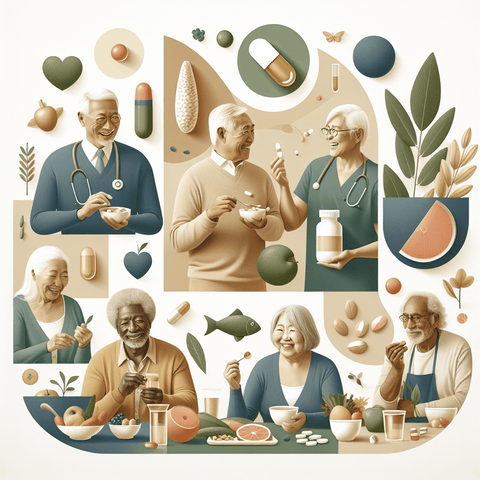
Aging Period Nutrition: Ottimizza la tua dieta per aumentare energia, immunità e longevità


L'età è un campo di studio che indaga come i fattori dietetici interagiscono con la biologia dell'invecchiamento nel corso della vita. Questa pagina presenta prospettive fondate sulla scienza su come le decisioni alimentari si relazionano ai processi legati all'invecchiamento, senza promuovere regimi specifici. Enfatizzando le evidenze, la rigorosità metodologica e l'interpretazione trasparente, l'alimentazione nell'età avanzata mira a chiarire come le risposte metaboliche e fisiologiche si evolvono nel tempo in risposta a schemi dietetici a lungo termine. Per i lettori, comprendere l'alimentazione in questa fase significa esaminare come viene condotta la ricerca. Diversi disegni di studio—studi osservazionali, sperimentali e testi di sintesi—offrono approfondimenti complementari ma presentano anche limiti. Cercate coerenza tra popolazioni diverse, un controllo accurato dei fattori confondenti e interpretazioni attente delle associazioni. Ricordate che il contesto è importante: età, sesso, genetica e ambiente possono influenzare il modo in cui i fattori dietetici si relazionano alla biologia dell'invecchiamento. Questo approccio aiuta a evitare generalizzazioni eccessive. Approcciare l'alimentazione durante il processo di invecchiamento nella pratica si basa su principi generali piuttosto che su prescrizioni rigide. Concentratevi sul raggiungimento dell'apporto nutrizionale adeguato, mantenendo varietà e allineando le scelte alle preferenze personali e alla sostenibilità a lungo termine. Considerate di monitorare indicatori non prescrittivi come energia, qualità del sonno o chiarezza cognitiva nel tempo, e affidatevi a fonti affidabili per informare le decisioni. Collaborare con professionisti che valorizzano le evidenze e la trasparenza può supportare un'esplorazione riflessiva e personalizzata dell'argomento. Iniziate oggi a esplorare la scienza dietro l'alimentazione nell'età avanzata. Questa pagina vi invita a conoscere, riflettere e interagire con le ricerche attuali, mantenendo consapevolezza dei limiti e della natura in evoluzione del campo. Costruendo una base di pensiero critico e di valutazione accurata, potete navigare in modo consapevole di come l'alimentazione si relazioni ai processi di invecchiamento, prendendo decisioni informate e ponderate.


Which vitamins do you need after 50? - Topvitamine
Oct 06, 2025
Le vitamine dopo i 50 anni non sono uguali per tutti: alimentazione, farmaci, condizioni di salute ed esami possono cambiare le necessità individuali. Questa guida spiega il ruolo di vitamina D, B12, folati, vitamina C, magnesio, vitamina K e omega-3, chiarisce quali integratori valutare e quali cautele adottare. Troverai anche risposte su pelle, invecchiamento, multivitaminici e sicurezza degli integratori dopo i 60 anni.

Aging period nutrition is an important topic that addresses the changing dietary needs of women as they navigate perimenopause and menopause. This natural biological transition brings about hormonal shifts that can impact metabolism, bone health, cardiovascular function, and overall well-being. This guide provides a comprehensive overview of the key nutritional considerations during this phase of life, offering practical information on important nutrients, dietary patterns, and lifestyle factors to help you feel your best.

What is Aging Period Nutrition?

Aging period nutrition is the study of how dietary choices interact with the biological processes of aging and the hormonal changes associated with the end of the menstrual cycle. It focuses on the period of perimenopause—the years leading up to menopause—and the post-menopausal years. The aim is to provide a framework for women to use nutrition to support their health proactively during this significant life transition. This involves understanding how evolving hormone levels, particularly estrogen, affect nutrient needs and physiological functions.

This field is not about a single prescription but about a holistic approach. It encourages women to understand the science behind how diet impacts their specific health concerns and to use this knowledge to build a balanced eating pattern that supports their long-term goals. It's a shift from a focus on short-term dieting to a long-term, sustainable strategy for health and vitality.

Key Nutrients for Women as They Age

As women age and their hormonal profile changes, certain nutrients become especially important. Prioritizing these in your daily diet can help mitigate some of the common health concerns associated with this transition.

  • Calcium and Vitamin D: These are essential for maintaining bone density, which can decline rapidly after menopause, increasing the risk of osteoporosis. Good sources of calcium include dairy products, leafy green vegetables, and fortified foods. Vitamin D, which helps the body absorb calcium, is obtained from sunlight, fatty fish, and fortified products. You can learn more about these nutrients in our calcium collection or our vitamin D collection.
  • Protein: Maintaining adequate protein intake is vital for preserving lean muscle mass, which naturally diminishes with age. This is important for keeping a healthy metabolism and maintaining strength. Good sources include poultry, fish, beans, lentils, and tofu.
  • Omega-3 Fatty Acids: These healthy fats play a role in supporting heart and brain health. As cardiovascular risk can increase after menopause, including omega-3s from sources like salmon, flaxseed, and chia seeds is beneficial. Our omega-3 supplement collection offers further information.
  • Fiber: A diet rich in fiber from fruits, vegetables, and whole grains supports digestive health and can help manage cholesterol levels and maintain a healthy weight.
  • B Vitamins: These are involved in energy production and are important for cognitive function. They are found in a variety of foods, including whole grains, meat, and leafy greens.

Beneficial Dietary Patterns

Rather than focusing on single nutrients, adopting a healthy dietary pattern is often more effective. Several eating styles have been studied for their benefits in supporting aging and hormonal health.

The Mediterranean Diet

This diet is consistently praised for its abundance of whole grains, fruits, vegetables, legumes, nuts, and healthy fats like olive oil. It includes moderate amounts of fish and poultry and is linked to benefits for heart health, cognitive function, and reducing inflammation.

Anti-Inflammatory Diets

These diets focus on minimizing processed foods, refined sugars, and unhealthy fats, while maximizing foods rich in antioxidants and omega-3s. The goal is to help manage chronic low-grade inflammation, which is linked to various age-related conditions.

Practical Considerations for Meal Planning

Putting these principles into practice can feel overwhelming, but simple strategies can make a significant difference.

  • Aim for a colorful plate: Include a variety of fruits and vegetables to ensure a wide intake of vitamins, minerals, and antioxidants.
  • Plan protein-rich meals: Include a source of protein at every meal to help maintain muscle mass and keep you feeling full and satisfied.
  • Don't neglect calcium: Make it a point to include calcium-rich foods in your daily routine, such as yogurt, cheese, or fortified plant-based milk.
  • Stay hydrated: Drinking enough water is crucial for everything from energy levels to cognitive function.

The Role of Supplements

While food should be the primary source of nutrients, supplements can help bridge the gap between dietary intake and specific needs, which often increase with age. It is a common challenge to get adequate amounts of vitamin D, omega-3s, and calcium from diet alone, making these popular supplement choices for women in this stage of life.

If you are considering a supplement, it is important to choose high-quality products and to discuss the move with a healthcare professional. They can help you assess your individual needs and ensure the supplements you take are safe for you and won't interact with any medications you may be on. You can explore a range of options in our natural supplements collection to see what's available.

Lifestyle Factors That Support Well-being

Nutrition is just one piece of the puzzle. Other lifestyle factors play a critical role in how you feel during this transition.

  • Regular Physical Activity: Incorporating both aerobic exercises and strength training can help maintain muscle mass, support bone density, and improve mood.
  • Prioritizing Sleep: Hormonal changes can disrupt sleep. Focusing on good sleep hygiene—like having a regular schedule and a relaxing bedtime routine—is essential for recovery and hormonal balance.
  • Managing Stress: High stress levels can exacerbate some symptoms. Mind-body practices such as yoga, meditation, or simply taking time for hobbies can be very beneficial.

Exploring Aging Period Nutrition Further

Understanding aging period nutrition is a journey of learning what works best for your unique body. This is a broad field with many specific topics to explore, and this page serves as a starting point. The articles associated with this topic will provide deeper dives into specific questions—such as the impact of particular foods on skin health, or how dietary components might influence age-related processes. Always remember that this information is for educational purposes and should not replace personalized advice from a qualified healthcare provider.