Nutrienti del fegato animale: segreti, vitamine e benefici per la salute
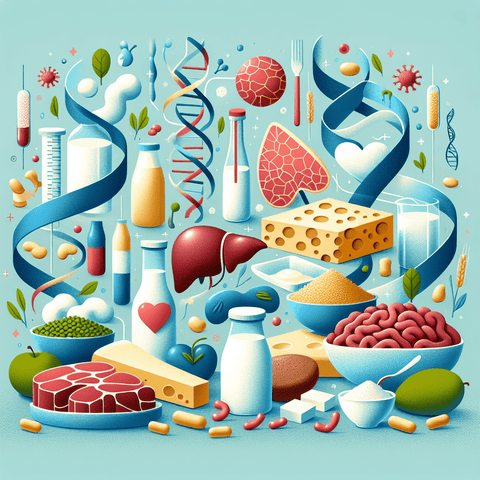

it Scopri i nutrienti del fegato animale in modo neutro, esplorando la ricca composizione del fegato attraverso diverse specie. La frase "nutrienti del fegato animale" si riferisce alla raccolta di vitamine, minerali, aminoacidi e altri componenti presenti nel tessuto epatico. Questa pagina evidenzia ciò che i ricercatori descrivono come nutrienti del fegato animale, concentrandosi sulle vitamine e i minerali essenziali che costituiscono la matrice nutritiva. All'interno dei nutrienti del fegato animale, sono comunemente notati composti contenenti ferro, diverse vitamine del gruppo B (come B12, riboflavina, niacina e folato) e vitamina A (retinolo). Minerali come rame, zinco, selenio e fosforo sono presenti anche nel profilo nutritivo. I livelli specifici di questi componenti possono variare a seconda della specie, dell'alimentazione, dell'età e del metodo di lavorazione, offrendo un'istantanea di come i nutrienti del fegato animale possano differire. Il contenuto proteico rappresenta un altro pilastro dei nutrienti del fegato animale. L'organo contiene un insieme completo di aminoacidi essenziali, contribuendo al profilo aminoacidico complessivo descritto nella letteratura nutrizionale. Quando si discute di nutrienti del fegato animale, la qualità delle proteine e la disposizione degli aminoacidi vengono spesso descritte come parte della caratteristica matrice nutritiva del tessuto. Da un punto di vista della ricerca, i nutrienti del fegato animale vengono analizzati tramite metodi analitici e profili comparativi tra diverse specie. La documentazione del contenuto nutritivo appare in banche dati e letteratura scientifica, fornendo una base per comprendere la composizione dei nutrienti del fegato animale senza estendersi a interpretazioni legate alla salute. Questo approccio neutro aiuta a mettere in evidenza la struttura e la varietà del panorama nutrizionale del tessuto epatico.


Where is a lot of vitamin B12 found? - Topvitamine
Oct 29, 2025
La vitamina B12 si trova soprattutto in fegato, pesce, carne, uova e latticini. Chi segue una dieta vegana può ricorrere a cibi fortificati e integratori di vitamina B12, poiché la frutta e gli alimenti vegetali non fortificati non sono fonti affidabili. L’articolo spiega anche i possibili segnali di carenza, i fattori che influenzano l’assorbimento e come scegliere un prodotto con maggiore consapevolezza.
Which meat contains vitamin A? - Topvitamine
Oct 21, 2025
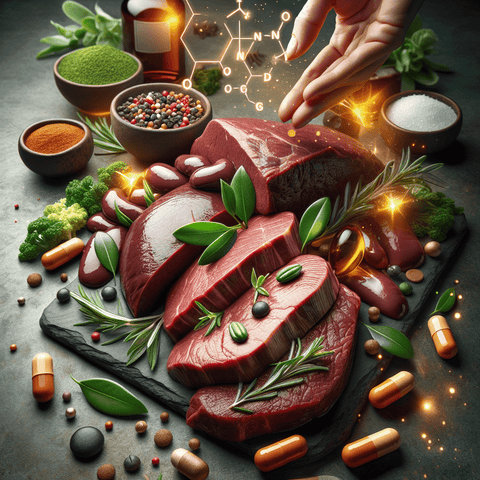
Quale carne contiene vitamina A? La risposta è soprattutto il fegato, che fornisce retinolo in quantità molto più elevate rispetto ai tagli muscolari. In questa guida trovi le principali fonti animali e vegetali, il ruolo della vitamina A, le indicazioni sulla gravidanza e i segnali di una possibile carenza. Sono incluse anche note pratiche su consumo, integratori e sicurezza.

Animal liver has been part of human diets across many cultures, and it continues to be studied for its nutrient composition. This tag page gathers articles and resources that explore animal liver nutrients at a broad level. Here you can learn what liver contains, how different animal livers compare and which practical factors are worth keeping in mind.

Whether you are curious about liver as a food, researching nutrient profiles or looking for general educational information, the sections below provide a starting point. More specific questions are addressed in the individual articles associated with this tag.

What Are Animal Liver Nutrients?

The phrase animal liver nutrients refers to the collection of vitamins, minerals, amino acids and other compounds found in the liver tissue of animals. Liver is an organ meat, and its nutrient profile is often described as dense compared with many other foods. Nutrition databases and scientific literature document the presence of these nutrients, although the exact amounts can differ from one sample to another.

This topic sits within the broader field of organ meats and traditional foods. It also connects to discussions about vitamins and minerals in general, such as those found in our vitamin A guide and mineral supplements guide, because liver is a natural source of several of these nutrients.

Main Nutrients Associated With Animal Liver

Liver is often discussed for its content of certain vitamins and minerals. The list below summarises the nutrients most commonly highlighted in general descriptions. It is not exhaustive, and the presence or amount of each nutrient can vary by species and other factors.

  • Vitamin A (retinol): liver is a concentrated source of preformed vitamin A.
  • B vitamins: including vitamin B12, riboflavin (B2), niacin (B3) and folate (B9).
  • Minerals: iron, copper, zinc, selenium and phosphorus are among those commonly mentioned.
  • Protein: liver provides protein with a complete set of essential amino acids.

Because these nutrients are found together in liver, the topic often overlaps with broader discussions about vitamin and mineral intake. For more detail on individual nutrients, you can explore our B vitamin overview.

How Animal Liver Nutrients Can Vary

Not all liver is the same. The nutrient composition of liver can differ depending on several factors. This variability is one reason why general statements about liver nutrients are often given as ranges rather than exact figures.

  • Species: beef, chicken, pork, lamb and other animals have different nutrient profiles.
  • Diet and age of the animal: what the animal ate and its stage of life can influence liver composition.
  • Processing and preparation: cooking methods and handling may affect some nutrients.

These factors mean that comparing liver types requires looking at specific data rather than assuming one liver is identical to another. Individual articles on this tag may go into more detail about particular species or comparisons.

Common Questions About Animal Liver

People often ask whether eating liver is good for them, which animal liver is most nutritious, why they may feel a certain way after eating beef liver, and who should avoid or limit liver. These are broad questions that touch on nutrition, individual circumstances and safety.

At a general level, liver is a nutrient-dense food, but it is also concentrated in certain nutrients such as vitamin A and copper. This means that portion size and frequency matter, and that some people may need to be more mindful about liver consumption. For example, pregnant women and individuals with certain health conditions are often advised to seek personalised guidance. The articles linked on this tag page explore these questions in more depth.

Practical Considerations and Safety

If you are considering including liver in your diet, there are a few general points to keep in mind. First, liver is not a typical everyday food for everyone; it is often eaten in smaller portions or less frequently. Second, because it contains preformed vitamin A, excessive intake over time may be a concern for some individuals. Third, food safety practices for handling and cooking liver are similar to those for other meats.

This information is educational and not a substitute for advice from a qualified healthcare provider. If you have specific health concerns, are pregnant or are taking medication, it is best to consult a professional before making significant dietary changes.

Exploring the Topic Further

Animal liver nutrients connect to wider themes in nutrition, including vitamins, minerals, protein and organ meats. The articles associated with this tag page cover specific questions and comparisons. If you want to explore related supplement categories, you can visit our superfoods guide for broader context on nutrient-dense foods.