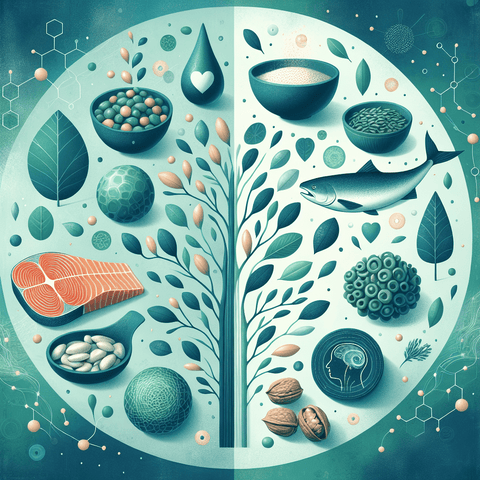
Anti-inflammatory properties describe the ability of certain foods, nutrients and natural compounds to influence the body's inflammatory processes. Inflammation is a normal, short-term response to injury or infection, but researchers also study chronic, low-grade inflammation and how long-term lifestyle factors, including diet, may relate to it. This has made anti-inflammatory eating one of the most widely discussed areas in nutrition.
This page works as a topical hub for the subject. It explains what anti-inflammatory properties mean, which foods and compounds are most often studied, how supplements fit into the picture and how to evaluate claims critically. The individual articles collected under this tag then explore each of these areas in greater depth.
What Are Anti-Inflammatory Properties?
Inflammation is the immune system's natural response to injury, infection or stress. In its acute form it is short-term and protective. Researchers also distinguish chronic, low-grade inflammation, which can persist over time and is studied for its possible associations with long-term health.
The term anti-inflammatory properties is used to describe substances that appear to influence inflammatory pathways — for example, the signalling molecules, enzymes and cellular responses involved in the inflammatory process. Importantly, an effect observed in a laboratory assay does not automatically mean the same result will occur in the human body. This is why researchers look for consistent findings across laboratory, animal and human studies before drawing conclusions.
Foods Commonly Studied for Anti-Inflammatory Properties
Rather than one single 'anti-inflammatory food', nutrition research tends to look at overall dietary patterns rich in plant foods, fibre and beneficial fats. Within these patterns, several foods and food groups appear most often in the scientific literature:
- Fatty fish such as salmon, mackerel and sardines, studied for their omega-3 fatty acids EPA and DHA
- Extra virgin olive oil, which contains monounsaturated fats and polyphenols and is typically used in cooking and salad dressings
- Berries and other colourful fruits, sources of polyphenols and other plant compounds
- Leafy green vegetables and other non-starchy vegetables
- Nuts and seeds
- Spices such as turmeric, a source of curcumin, and ginger
How these foods are chosen and prepared often matters as much as the foods themselves. Olive oil, for instance, is commonly used raw or for gentle cooking, and spices are frequently paired with fats in traditional cuisines. Preparation methods and day-to-day usage are covered in more detail in the dedicated articles under this tag.
Key Compounds Researchers Study
Behind these foods sit specific compounds that attract much of the research attention. Omega-3 fatty acids, polyphenols and carotenoids are food-derived compounds studied for their roles in the body's normal inflammatory and antioxidant processes. Curcumin, the best-known active compound in turmeric, is among the most frequently investigated botanical ingredients in this field — our curcumin supplements range shows how this ingredient is typically formulated. Results vary between laboratory, animal and human studies, so findings should always be read in context.
Supplements and Anti-Inflammatory Research
Supplements are a natural extension of this topic, and several categories are widely studied alongside anti-inflammatory diets. They are generally viewed as complements to — not replacements for — a balanced, varied diet. Anyone considering supplements, particularly people who take medication or manage a health condition, is advised to speak with a healthcare professional first.
Omega-3 fatty acids are among the most extensively researched nutrients in this area. Our omega-3 (DHA and EPA) supplements collection gathers products supplying the fatty acids found naturally in oily fish.
Antioxidants are also closely connected to this research field, because oxidative stress and inflammation are often studied side by side. You can browse antioxidant supplements to explore this category further.
How to Evaluate Anti-Inflammatory Claims
Because 'anti-inflammatory' is used broadly in marketing and media, critical evaluation is one of the most useful skills a reader can build. When you come across a claim about a food, spice or supplement, it helps to:
- Distinguish between study types — laboratory, animal and human research — and check whether findings have been replicated
- Look for clear reporting of methods, effect sizes and limitations
- Check whether reviews use systematic methods and whether potential conflicts of interest are disclosed
- Remember that bioactivity observed in a controlled assay does not automatically translate to everyday outcomes
- Note how preparations, amounts and study populations compare with real-world use
Keeping a simple log of sources — their methods, findings and limitations — makes it easier to update your understanding as new research emerges. In a field that continues to evolve, that habit is part of engaging with the topic responsibly.
Practical Considerations for Readers
If you want to eat with inflammation in mind, the most consistent message in the research is to think about your overall dietary pattern rather than any single ingredient: build meals around vegetables, fruits, whole grains, legumes, nuts, oily fish and healthy oils such as olive oil, while keeping heavily processed products occasional.
- Focus on the overall pattern, not individual 'superfoods'
- Aim for variety, since different plant foods supply different compounds
- Treat supplements as complements to a balanced diet, not substitutes
- Be cautious with products or claims promising immediate results
- Discuss significant dietary changes with a qualified healthcare professional
This overview is for general education and is not a substitute for personalised medical advice. If you have a health condition, take medication or are considering supplements, a qualified healthcare professional can help you apply these ideas to your situation.
Exploring This Topic Further
The articles collected under this tag examine individual parts of this map in more depth — specific foods and spices, individual compounds, preparation methods, foods commonly limited in anti-inflammatory eating, and common questions such as how quickly dietary changes can make a difference. Reading them alongside this overview gives you both the big picture and the detail of anti-inflammatory nutrition.