
This page focuses on ascorbic acid sources and how researchers describe the content of vitamin C across foods. By concentrating on ascorbic acid sources, it illustrates how data are organized, the meanings of terms, and the methods of reporting measurements, without making any health claims. The emphasis is on understanding the concept of richness or concentration in a neutral way, and on evaluating the evidence that supports statements about where vitamin C is found. Understanding how ascorbic acid content is measured helps clarify why some items appear higher than others. Common units include milligrams per 100 grams or per serving, and the content can vary based on factors such as variety, growing conditions, maturity, processing, and storage. This page explains how such variability is documented in nutrition references and how to interpret the figures accompanying data on ascorbic acid sources. Within the scope of ascorbic acid sources, categories such as plant-based foods and fortified products are often discussed. Each category includes items with varying concentrations, and their rankings depend on the reference dataset and measurement methods used. The aim here is to describe the basis for comparisons and to guide readers in locating and assessing information about ascorbic acid sources without making substantive health claims. For practical comparison, focus on data provenance, serving sizes, and the conditions under which measurements were taken. Look for notes on measurement techniques, data year, and the context of the reference databases. By examining these aspects, one can clearly understand how the “richest” sources of vitamin C are determined within the framework of ascorbic acid sources.
Principali fonti di acido ascorbico (vitamina C): alimenti per migliorare la tua salute
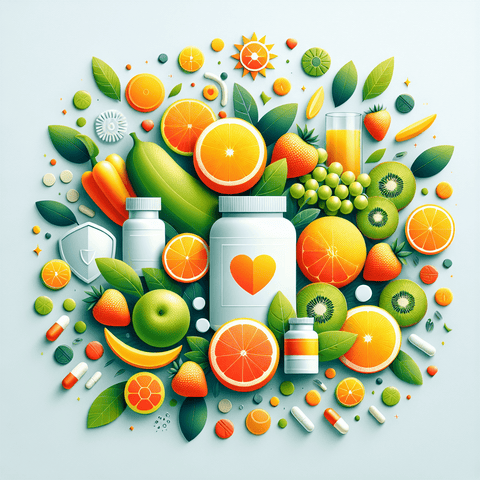
Le fonti di acido ascorbico comprendono frutta e verdura, oltre agli integratori a base di vitamina C. Guaiava, peperoni, kiwi, fragole, broccoli e agrumi possono contribuire all’apporto quotidiano. L’acido ascorbico sintetico è chimicamente uguale a quello presente negli alimenti, mentre la scelta della formulazione dipende da dose, tollerabilità e praticità. L’articolo chiarisce anche assorbimento, conservazione, possibili ostacoli e principali precauzioni.
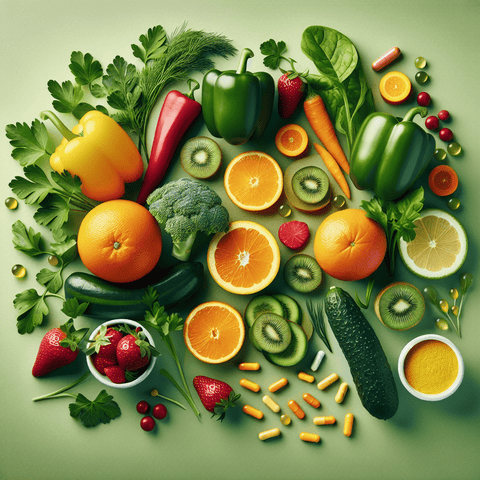
Il miglior modo per assumere vitamina C è partire da una dieta varia, ricca di frutta e verdura. Peperoni, kiwi, agrumi, fragole e broccoli sono fonti pratiche, mentre gli integratori possono essere utili quando l’alimentazione non è sufficiente. L’articolo confronta acido ascorbico, ascorbati e vitamina C liposomiale, con indicazioni generali su tollerabilità, assunzione e principali precauzioni.