
Le migliori vitamine per l'immunità si riferiscono a nutrienti che partecipano ai vari processi del sistema immunitario. Questa pagina spiega quali vitamine sono importanti, come funzionano in generale e quali approcci adottare per mantenersi più sani. L'obiettivo è costruire un quadro chiaro di questi nutrienti e dei loro ruoli in un contesto più ampio di salute immunitaria, senza implicare soluzioni rapide o risultati garantiti. Le vitamine rilevanti per l'immunità svolgono diverse funzioni chiave. Ad esempio, alcune vitamine contribuiscono alle difese antiossidanti, aiutando a gestire lo stress cellulare; altre partecipano alla segnalazione e alla regolazione genica che influenzano il comportamento delle cellule immunitarie; alcune aiutano a mantenere superfici protettive a livello delle interfacce del corpo. In questo modo, vitamine come A, C, D, E e alcune vitamine del gruppo B sono discusse per la loro partecipazione a questi processi e per come si integrano nella funzione complessiva dei nutrienti. Comprendere questi ruoli può chiarificare perché queste sostanze siano spesso evidenziate quando si parla delle migliori vitamine per l'immunità. Pensando a queste vitamine, è utile considerare come si inseriscono nelle decisioni quotidiane di salute. Concentrarsi sull’assicurare un’assunzione adeguata attraverso un apporto equilibrato, in linea con le linee guida stabilite, e prestare attenzione alle potenziali interazioni con altri nutrienti. Le esigenze personali possono variare, quindi consultare un professionista sanitario o un dietista registrato può fornire indicazioni su misura per le circostanze individuali. L’accento è su scelte informate, non su risultati rapidi o affermazioni non verificate. Per rimanere più sani, insieme alle migliori vitamine per l'immunità, è consigliabile dare priorità a un buon sonno, gestire lo stress, praticare regolarmente attività fisica e mantenere una buona igiene. Stabilire routine costanti, evitare l’eccesso di alcol e rimanere aggiornati con le cure mediche di routine sono passi pratici per il benessere complessivo. Questa pagina vuole offrire una panoramica accurata delle vitamine e dei loro ruoli, con consigli pratici e non promozionali per decisioni consapevoli.
Le migliori vitamine per l'immunità: potenzia il tuo sistema immunitario rapidamente
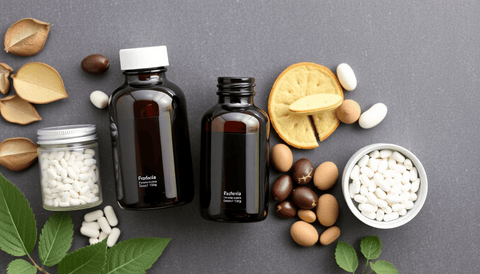
When you search for the best vitamins for immunity, you're looking for the key nutrients that help keep your body's natural defense systems working as they should. This guide provides a high-level overview of the most commonly discussed vitamins and minerals for immune health, including their general roles, where to find them in your diet, and important things to consider when thinking about supplementation. It's designed to help you understand the bigger picture of immune support, so you can make informed decisions for your overall well-being.
Understanding the Role of Vitamins in Immune Health
The immune system is a complex network of cells, tissues, and organs that work together to protect the body. It relies on a steady supply of essential nutrients to function effectively. While no single vitamin is a magic bullet, a combination of them supports different aspects of the immune response, from maintaining the physical barriers of the skin and mucous membranes to supporting the production and activity of immune cells.
The body uses vitamins differently: some, like vitamin C and vitamin E, act as antioxidants that help protect cells from damage. Others, like vitamin A and vitamin D, support cell growth, communication, and the overall regulation of the immune system. B vitamins are involved in energy production and cellular metabolism, which is fundamental for the rapid cell division needed when the immune system mounts a response.
Key Vitamins and Minerals for Immunity
One of the most helpful ways to understand immune support is to look at the specific nutrients that are frequently highlighted for their roles. These nutrients are often interconnected, and ensuring you get a balanced mix is more beneficial than focusing on just one. The following are widely recognized for their importance in a healthy diet and are covered in more depth in related articles on this site.
Vitamin C
Vitamin C is perhaps the most well-known nutrient for its role in supporting the immune system. It is a powerful antioxidant that helps protect cells from oxidative stress. It also contributes to the normal function of the immune system by supporting various cellular functions of both the innate and adaptive immune system. Good sources include citrus fruits, berries, bell peppers, and broccoli. You can explore more about its benefits in our guide to Vitamin C.
Vitamin D
Often called the 'sunshine vitamin,' Vitamin D is crucial for the proper functioning of the immune system. It helps regulate the response of immune cells and is important for maintaining strong bones and muscles. Many people are deficient, especially during winter months when sun exposure is low. Food sources are limited but include fatty fish and egg yolks. For more detailed information, see our comprehensive Vitamin D collection.
Vitamin A
Vitamin A is essential for maintaining healthy skin and mucous membranes, which are the body's first line of physical defense. It also plays a key role in the normal functioning of the immune system. There are two types: preformed vitamin A (retinol) found in animal products, and provitamin A (beta-carotene) found in colorful fruits and vegetables like carrots and sweet potatoes. Our Vitamin A resources provide a deeper look.
Vitamin E and B Vitamins
Vitamin E is another potent antioxidant that helps protect cells from damage. It is a fat-soluble vitamin found in nuts, seeds, and vegetable oils. The B-vitamin complex, including B6, B12, and folate, is vital for energy production and creating new cells, which is important for immune response. B6, in particular, is involved in supporting the biochemical reactions of the immune system. You can find more specific information in our Vitamin B collection.
Minerals: Zinc and Selenium
It's not just vitamins that are important. Minerals like zinc are essential for normal immune function and the development of immune cells. It also has antioxidant properties. Good dietary sources of zinc include meat, shellfish, and legumes. Selenium is another mineral that acts as an antioxidant. For a broader look at these and other important minerals, our mineral supplements guide is a great starting point.
Food Sources: Building a Balanced Diet
The best way to get these immune-supporting nutrients is through a balanced and varied diet. Focusing on whole foods ensures you're not only getting these specific vitamins but also a wide range of other beneficial compounds that work synergistically. A colorful plate is a good start for getting a range of vitamins and antioxidants.
- Fruits and Vegetables: Citrus fruits, berries, kiwi, bell peppers, broccoli, spinach, and carrots are packed with vitamins A and C.
- Nuts and Seeds: Almonds, sunflower seeds, and hazelnuts are excellent sources of vitamin E. They also provide healthy fats.
- Proteins: Lean meats, poultry, fish, and legumes provide protein, zinc, and various B vitamins like B6 and B12.
- Whole Grains: Foods like oats, quinoa, and brown rice supply B vitamins and other important minerals.
Supplements and Multivitamins: What to Know
While food is the preferred source of nutrients, supplements can be a useful way to fill specific nutritional gaps. If you are considering a supplement, it's important to understand that they are not a substitute for a healthy lifestyle. A high-quality multivitamin guide can provide a broad foundation of nutrients. However, it is generally better to focus on individual nutrients if you have a specific deficiency identified by a healthcare professional.
More is not necessarily better. Taking high doses of fat-soluble vitamins, like A, D, and E, can be harmful. It's also possible to have negative interactions with medications. Therefore, it's always best to consult with a doctor or registered dietitian before starting any new supplement routine to ensure it's safe and appropriate for your personal health needs.
Considering a Supplement for Overall Support
For some, ensuring adequate intake through diet alone can be challenging. This is where a multivitamin or specific supplements might be considered. Below are some common reasons people explore these options.
- Dietary Restrictions: Vegans, vegetarians, or those with food allergies may miss out on certain nutrients like vitamin B12 or zinc.
- Lifestyle Factors: High stress, smoking, or excessive alcohol consumption can deplete certain nutrients.
- Age and Life Stage: Older adults may have different requirements, and pregnancy increases the need for essential nutrients like folate and iron.
Lifestyle Habits That Support Immunity
Nutrition is a cornerstone, but it is just one piece of the puzzle. Your daily habits have a major impact on the strength of your immune system. A holistic approach is usually the most effective way to support your body's defenses.
- Prioritize Sleep: Aim for 7-9 hours of quality sleep per night to allow the body to rest and regenerate.
- Manage Stress: Chronic stress can suppress immune function. Find healthy ways to cope, such as meditation, yoga, or hobbies.
- Stay Active: Regular physical activity helps your immune system function efficiently and better cope with threats.
- Maintain Good Hygiene: Simple practices like frequent handwashing are your first line of defense against many common infections.
By understanding the roles of these key vitamins and mineralsgcd and combining them with a healthy lifestyle, you can take proactive steps to support your immune system. For more specific information, be sure to explore the related articles and guides that delve into each nutrient in greater detail.
Frequently Asked Questions on Immunity Vitamins
Here are some common questions people have about vitamins and immune health.
What are the top 3 most important vitamins?
While many nutrients matter, Vitamins C, D, and Zinc are often highlighted in conversations about immune support. However, 'importance' depends on an individual's deficiencies.dat.buffer It's more accurate to say that all essential vitamins and minerals are important for overall health, and a balanced diet is the best way to ensure you're getting a sufficient spectrum.
How do I boost my immune system?
There is no single action to 'boost' immunity. Instead, the goal is to support it. This is best achieved by a combination of a healthy diet rich in fruits and vegetables, getting enough sleep, managing stress, exercising, and maintaining good hygiene. Supplements can help fill gaps but are not a substitute for these healthy habits.
Which multivitamin is best for immunity?
The 'best' multivitamin is one that fits your individual needs and is of high quality. Look for a product that provides nutrients in amounts close to the daily recommended values. Because the quality and contents can vary, it's helpful to consult our multivitamin guide and speak with a healthcare professional for a personalized recommendation.
What are 5 signs of a weak immune system?
Common signs often discussed include frequent infections, slow wound healing, constant fatigue, and recurring digestive issues. However, many of these can also indicate other health problems. It is crucial to consult with a doctor for proper diagnosis instead of self-diagnosing based on a list of symptoms.