Principali fonti di beta-carotene: 15 alimenti che aumentano naturalmente la tua vitamina A
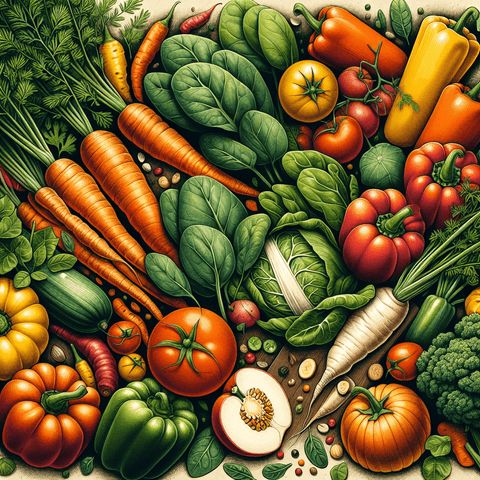

Discover the 15 top beta-carotene sources that appear across cuisines and seasons. This page centers on the concept of beta-carotene sources and how they show up in everyday meals. Rather than naming specific items, we’ll discuss how to recognize different color groups, textures, and forms that qualify as beta-carotene sources, and how to think about them when planning dishes. Quick tips to feature beta-carotene sources today: plan a color-rich plate for your meals, batch simple preparations that highlight these sources, and keep a rotating list of go-to options on hand. When you shop or browse recipes, aim for variety across shades and forms to keep things engaging. Small, intentional choices can help you see more beta-carotene sources in your routine without overhauling your day. Tasty swaps and additions: experiment with swapping in a brighter option for a familiar ingredient, or fold in a contrasting color for visual appeal. Incorporate a beta-carotene source into snacks or side dishes, and explore how small substitutions can refresh your everyday meals. The focus is on keeping meals interesting and balanced while exploring different color-rich possibilities. Practical ways to maximize your intake today: map out a short list of beta-carotene sources you’d like to try, plan a week of meals around a few different color families, and store these items in ways that help them stay approachable. By building a simple routine that emphasizes easy prep and quick access, you can weave beta-carotene sources into everyday cooking with minimal effort. --- it


Which vegetable has more vitamin A? - Topvitamine
Oct 27, 2025
La patata dolce, insieme a carote, cavolo riccio, spinaci e zucca, è tra le verdure più ricche di provitamina A sotto forma di beta-carotene. Il contenuto varia in base a varietà e cottura, mentre l’assorbimento migliora associando gli ortaggi a una fonte di grassi. L’articolo chiarisce anche la differenza tra beta-carotene e retinolo, i possibili segnali di carenza e le precauzioni sugli integratori.
Which vitamin A is the best? - Topvitamine
Oct 25, 2025
Quale vitamina A scegliere dipende dalla forma, dall’alimentazione e dalle esigenze individuali. Il retinolo è vitamina A preformata, mentre il beta-carotene è un precursore di origine vegetale. L’articolo confronta fonti alimentari e integratori, spiega cosa valutare in etichetta, risponde alle domande sull’eccesso e sulla carenza e indica quando è opportuno chiedere consiglio a un professionista sanitario.
What to eat for vitamin A deficiency? - Topvitamine
Oct 17, 2025
Per sostenere l’apporto di vitamina A è utile alternare fonti animali di retinolo, come uova e latticini, e alimenti vegetali ricchi di beta-carotene, come patate dolci, zucca e verdure a foglia verde. Questa guida spiega come favorire l’assorbimento, quali sintomi richiedono una valutazione medica e cosa sapere sull’eccesso di beta-carotene e sugli integratori.
Which vegetables are rich in vitamin A? - Topvitamine
Oct 16, 2025
Le verdure ricche di vitamina A forniscono soprattutto beta-carotene, che l’organismo può convertire in vitamina A. Carote, patate dolci, zucca e verdure a foglia verde sono tra le fonti più interessanti. In questa guida trovi un elenco pratico, consigli per migliorare l’assorbimento, differenze tra alimenti e integratori e risposte alle domande su eccesso e carenza di beta-carotene.

What Are Beta-Carotene Sources?

Beta-carotene is a pigment found in plants that gives many fruits and vegetables their rich colors. As a precursor to vitamin A, it plays a role in maintaining healthy skin, vision, and the immune system. This page provides a high-level overview of beta-carotene sources, how to identify them, and their broader role in nutrition.

While often referred to as a single nutrient, beta-carotene is one of over 600 carotenoids found in nature. Its presence is usually indicated by bright, deep colors such as those found in carrots, sweet potatoes, and leafy greens. This guide will explore the primary food groups and practical ways to incorporate them into a balanced lifestyle.

Top Food Groups Rich in Beta-Carotene

Identifying beta-carotene sources is usually as simple as looking at the color of the food on your plate. The most concentrated sources are found in colorful produce, which can be categorized into several key groups:

  • Orange and Yellow Vegetables: This category includes carrots, sweet potatoes, pumpkin, and butternut squash, which are among the most well-known sources.
  • Leafy Greens: Surprisingly, dark, leafy greens like spinach, kale, and Swiss chard are also excellent sources. The green chlorophyll masks the orange-yellow pigment of beta-carotene.
  • Red and Red-Orange Fruits: Cantaloupe, apricots, and pink grapefruit also provide beta-carotene. Tomatoes and red peppers contain it as well, though they also have other pigments.

For a broad spectrum of nutrients, it is beneficial to consume a variety of these colors, as each shade indicates a different profile of phytonutrients and antioxidants.

Maximizing Absorption of Beta-Carotene

Understanding the nature of beta-carotene can help you absorb more of it. Because it is a fat-soluble nutrient, its absorption into the bloodstream is improved when it is consumed alongside dietary fat. This doesn't call for unhealthy fats; rather, it suggests pairing carrots with a dip of olive oil, or adding spinach to an omelet. The method of preparation can also make a difference. For example, cooking and processing can break down cell walls, making the beta-carotene more accessible to the body.

It is also helpful to know that beta-carotene obtained from food is not associated with the risks of vitamin A toxicity, as the body converts what it needs and processes the rest. This is why eating a diet rich in these sources is generally considered safe and beneficial. For a practical guide, you can explore our curated vitamin A collection.

Understanding Beta-Carotene Supplements

While getting nutrients from whole foods is a primary goal, many people turn to supplements to meet their needs. Beta-carotene is available as a supplement, often in the form of capsules or softgels. However, it's important to distinguish between dietary sources and supplements. The body's absorption and use of a nutrient can differ between food and supplement forms. Before considering a supplement, it is vital to consult with a healthcare professional to see if it is appropriate. For those interested in antioxidant support, you may find our collection of antioxidant supplements to be a relevant resource.

Your Role in Personal Health

Understanding how to get beta-carotene from your diet is a great first step. However, every person's nutritional needs are unique. For some, a diet rich in fruits and vegetables may be sufficient. For others, particularly those with specific dietary restrictions, a supplement might be considered. Ultimately, making informed decisions about your health should be a collaborative process between you and a qualified healthcare provider.