
{"" :""}
Desbloqueie Foco e Memória: Principais Suplementos para a Saúde do Cérebro
Aug 29, 2025
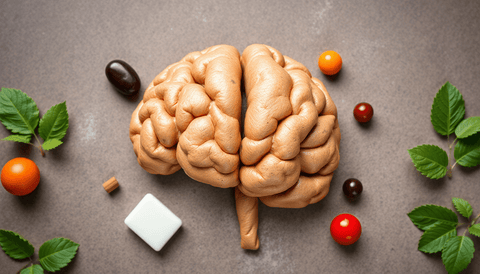
Gli integratori per la salute del cervello possono contribuire all’apporto di nutrienti importanti, soprattutto quando l’alimentazione non è sufficiente o esiste una carenza documentata. Questa guida confronta vitamine del gruppo B, vitamina C ed E, omega-3 e alcuni estratti vegetali, chiarendo cosa sappiamo e cosa non è dimostrato. Troverai anche criteri di scelta, indicazioni d’uso generali e precauzioni per un impiego consapevole.

Aug 25, 2025
Gli integratori di omega-3 forniscono soprattutto EPA e DHA, acidi grassi coinvolti nel normale funzionamento di cervello, retina e sistema cardiovascolare. In questo articolo scoprirai quali benefici sono meglio documentati, cosa sappiamo sulla memoria e sull’umore, come scegliere tra olio di pesce e omega-3 algali e quali precauzioni considerare. L’alimentazione resta la prima scelta, mentre l’integrazione può essere utile in circostanze specifiche.
{"content":"
Gli integratori per la salute del cervello sono diventati una delle categorie in più rapida crescita nel campo della nutrizione, spinti dal diffuso interesse per concentrazione, memoria e lucidità mentale. Ma con centinaia di prodotti e affermazioni di marketing audaci, è difficile capire cosa funzioni davvero. Questa guida spiega cosa sono gli integratori per la salute del cervello, quali ingredienti hanno un supporto scientifico, come dieta e stile di vita influenzino le prestazioni cognitive e come valutare i prodotti per poter prendere una decisione informata e sicura in base alle proprie esigenze individuali.
\n\n
Introduzione: perché gli integratori per la salute del cervello attirano tanta attenzione
\n
La richiesta di attenzione sostenuta, prontezza mentale e salute cognitiva a lungo termine non è mai stata così alta. Orari di lavoro prolungati, sovraccarico informativo e invecchiamento della popolazione hanno tutti contribuito a un crescente interesse verso i \"nootropici\" e i potenziatori cognitivi. Allo stesso tempo, la ricerca su nutrizione e funzionamento del cervello si è ampliata, rivelando che alcuni nutrienti svolgono davvero un ruolo nella memoria, nella concentrazione e nelle prestazioni mentali complessive. Gli integratori per la salute del cervello si collocano all'incrocio tra scienza reale e marketing aggressivo, il che rende essenziale comprendere le evidenze prima di spendere denaro o modificare la propria routine.
\n\n
Cosa sono gli integratori per la salute del cervello? Termini e concetti chiave spiegati
\n
Cosa sono i nootropici, gli integratori nootropici e i potenziatori cognitivi?
\n
Il termine \"nootropico\" si riferisce a sostanze ritenute in grado di sostenere la funzione cognitiva, inclusi memoria, concentrazione ed energia mentale. Gli integratori nootropici sono prodotti da banco contenenti vitamine, minerali, estratti erboristici o altri composti commercializzati per questo scopo. Si differenziano dai potenziatori cognitivi su prescrizione, che sono farmaci regolamentati. Nell'uso quotidiano, i termini \"nootropico\", \"potenziatore cognitivo\" e \"integratore per il cervello\" si sovrappongono ampiamente e descrivono la stessa categoria di integratori alimentari.
\n\n
Ingredienti comuni negli integratori per la salute del cervello
\n
La maggior parte dei prodotti di questa categoria combina uno o più dei seguenti:
\n
- Acidi grassi omega-3 (DHA ed EPA)
- Vitamine del gruppo B, tra cui B12, B6 e folato
- Vitamina D e minerali chiave come magnesio, zinco e ferro
- Estratti erboristici come ginkgo biloba, bacopa monnieri e fungo lion's mane
- Altri composti come fosfatidilserina, L-teanina, creatina e caffeina
\n
La qualità delle evidenze varia notevolmente tra questi ingredienti, quindi vale la pena esaminarli singolarmente invece di presumere che tutti gli \"ingredienti per il cervello\" siano ugualmente supportati.
\n\n
Come dovrebbero funzionare gli integratori per concentrazione e memoria
\n
Gli integratori per il cervello funzionano generalmente attraverso uno di tre meccanismi. In primo luogo, possono correggere carenze nutrizionali di fondo — ad esempio, bassi livelli di vitamina B12 o ferro possono influire sul metabolismo energetico e sul trasporto di ossigeno al cervello. In secondo luogo, alcuni composti forniscono elementi strutturali: il DHA, per esempio, è un componente importante delle membrane delle cellule cerebrali. In terzo luogo, alcune erbe e aminoacidi possono influenzare i neurotrasmettitori o il flusso sanguigno cerebrale. È importante notare che gli integratori tendono a mostrare effetti più chiari nelle persone la cui assunzione o il cui stato nutrizionale è già basso, non negli individui ben nutriti che cercano un \"vantaggio\".
\n\n
Perché la salute del cervello è importante: come la nutrizione sostiene concentrazione, memoria e lucidità mentale
\n
L'elevata domanda di energia e nutrienti del cervello
\n
Il cervello rappresenta circa il 2% del peso corporeo ma consuma circa il 20% dell'energia del corpo. Questa costante attività metabolica richiede un apporto continuo di glucosio, ossigeno, vitamine del gruppo B, grassi omega-3 e oligoelementi. Poiché il cervello non può immagazzinare la maggior parte di questi nutrienti in grandi riserve, anche carenze modeste nel tempo possono influire su quanto ti senti mentalmente lucido.
\n\n
Come dieta, sonno e circolazione influenzano le prestazioni cognitive
\n
Le prestazioni cognitive dipendono da più dei soli nutrienti. Il sonno consolida la memoria ed elimina i rifiuti metabolici dal cervello. L'attività fisica migliora il flusso sanguigno, che trasporta ossigeno e glucosio al tessuto nervoso. Anche la stabilità della glicemia è importante — picchi e cali improvvisi dovuti a pasti ricchi di carboidrati raffinati spesso coincidono con la nebbia mentale pomeridiana. Questi fattori legati allo stile di vita contano spesso più di qualsiasi integratore.
\n\n
Segnali comuni di difficoltà di concentrazione e memoria
\n
Situazioni quotidiane in cui si nota nebbia mentale o scarsa concentrazione
\n
I disturbi tipici includono perdere il filo del discorso a metà frase, rileggere lo stesso paragrafo senza assorbirlo, dimenticare perché si è entrati in una stanza o faticare a restare concentrati dopo pranzo. Queste esperienze sono comuni e spesso legate a stress, sonno scarso, disidratazione o alimentazione irregolare piuttosto che a qualche carenza di fondo.
\n\n
Quando la dimenticanza è normale — e quando parlare con un medico
\n
Le lacune occasionali sono una parte normale di una vita frenetica e tendono ad aumentare con lo stress e l'età. Tuttavia, problemi di memoria che interferiscono con il funzionamento quotidiano, peggiorano progressivamente o vengono notati dagli altri richiedono una valutazione medica. Condizioni come disturbi della tiroide, depressione, apnea del sonno e carenza di vitamina B12 possono simulare un declino cognitivo — e molte sono trattabili. Gli integratori non dovrebbero mai ritardare una valutazione medica appropriata.
\n\n
Cosa influenza concentrazione e memoria? Cause comuni e fattori contribuenti
\n
Lacune alimentari: nutrienti spesso scarsi nelle diete moderne
\n
I modelli alimentari moderni possono essere carenti in diversi nutrienti rilevanti per la cognizione: acidi grassi omega-3 (soprattutto in chi mangia poco pesce grasso), vitamina B12 (in vegani e anziani), vitamina D (in chi ha limitata esposizione solare), ferro (nelle donne in età fertile), e magnesio e zinco in diete povere di cereali integrali, frutta secca e legumi.
\n\n
Fattori legati allo stile di vita: stress, sonno, sedentarietà e alcol
\n
Lo stress cronico eleva il cortisolo, che nel tempo può compromettere la consolidazione della memoria. Dormire costantemente meno di sei o sette ore è fortemente associato a ridotta attenzione e memoria di lavoro. La sedentarietà riduce il flusso sanguigno al cervello, e un elevato consumo di alcol è un contribuente ben consolidato al deterioramento cognitivo.
\n\n
Età, assorbimento e farmaci che possono influenzare lo stato nutrizionale
\n
La produzione di acido gastrico diminuisce con l'età, riducendo l'assorbimento della vitamina B12 dagli alimenti. Farmaci comuni — tra cui metformina, inibitori di pompa protonica e alcuni diuretici — possono esaurire B12, magnesio o altri nutrienti nel tempo. Questi fattori possono contare più dell'integratore stesso.
\n\n
Fattori ambientali e di carico cognitivo
\n
Multitasking, notifiche costanti e sovraccarico informativo creano un'affaticamento dell'attenzione che nessun nutriente può risolvere. In questi casi, quella che sembra una scarsa concentrazione è spesso un sovraccarico cognitivo, e strategie come il mono-tasking e le pause programmate sono più efficaci di qualsiasi pillola.
\n\n
Perché le esigenze individuali differiscono: nessun approccio valido per tutti alla nutrizione cerebrale
\n
Come età, modello alimentare e stato di salute cambiano le esigenze nutrizionali
\n
Le esigenze nutrizionali non sono statiche. Un onnivoro di 25 anni, una persona di 70 anni che assume più farmaci e una vegana in gravidanza hanno bisogni di base molto diversi. Gli anziani generalmente necessitano di più B12 e vitamina D; i vegani si affidano agli omega-3 derivati dalle alghe e alla B12 integrata; e le persone con condizioni di malassorbimento possono aver bisogno di forme più elevate o più biodisponibili di diversi nutrienti.
\n\n
Genetica, assorbimento e assunzione nutrizionale di base
\n
Anche la variabilità genetica gioca un ruolo. Alcune persone hanno una ridotta conversione degli omega-3 di origine vegetale in DHA ed EPA, mentre altre presentano varianti genetiche che influenzano il metabolismo del folato. La salute gastrointestinale, il fumo e il consumo di alcol influenzano ulteriormente l'assorbimento e l'utilizzo dei nutrienti. Ecco perché i sintomi da soli raramente indicano quale nutriente — se ce n'è uno — ti serve.
\n\n
Prima il cibo: abitudini alimentari e di stile di vita che sostengono la salute del cervello
\n
I migliori alimenti per la salute del cervello: omega-3, frutti di bosco, verdure a foglia verde e altro
\n
Alcuni dei \"cibi per il cervello\" più costantemente supportati includono:
\n
- Pesce grasso (salmone, sgombro, sardine) — la migliore fonte di DHA ed EPA
- Verdure a foglia verde — ricche di folato, vitamina K e antiossidanti
- Frutti di bosco — forniscono polifenoli associati a un declino cognitivo più lento nella ricerca osservazionale
- Frutta secca e semi — fonti di vitamina E, magnesio e grassi sani
- Uova — una fonte di colina, importante per le membrane cellulari e la sintesi dei neurotrasmettitori
- Cereali integrali e legumi — sostengono una glicemia stabile e l'assunzione di vitamine del gruppo B
\n
Se non mangi regolarmente pesce grasso, gli integratori di omega-3 DHA ed EPA sono un modo per colmare questa lacuna, anche se le fonti alimentari rimangono la base preferibile.
\n\n
Le diete MIND e mediterranea per il supporto cognitivo
\n
La dieta MIND — un ibrido delle diete mediterranea e DASH — enfatizza verdure, frutti di bosco, pesce, olio d'oliva, frutta secca e cereali integrali, limitando carne rossa, burro e dolci. Studi osservazionali hanno associato una maggiore aderenza a migliori risultati cognitivi nel tempo. Sebbene si tratti di associazioni piuttosto che di prove di causalità, il modello alimentare complessivo è uno dei segnali nutrizionali più forti che abbiamo per la salute del cervello a lungo termine.
\n\n
Sonno, esercizio e gestione dello stress per una concentrazione migliore
\n
Sette-nove ore di sonno, esercizio aerobico regolare e pratiche di riduzione dello stress come la mindfulness hanno tutte evidenze significative a sostegno. Se il tuo stile di vita sta minando il tuo cervello, affrontare prima sonno e movimento di solito darà risultati più evidenti dell'integrazione.
\n\n
Il ruolo dei nutrienti e degli integratori in concentrazione e memoria
\n
Acidi grassi omega-3 (DHA ed EPA) e struttura cerebrale
\n
Il DHA è un componente strutturale delle membrane neuronali, e un'assunzione adeguata è particolarmente importante durante la gravidanza, l'infanzia e l'età avanzata. Le evidenze suggeriscono che gli omega-3 possano sostenere il mantenimento cognitivo, con gli effetti più forti osservati in persone con basso consumo di pesce. Negli individui ben nutriti, i benefici per la concentrazione immediata sono meno consistenti.
\n\n
Vitamine del gruppo B (B12, B6, folato) e funzione cognitiva
\n
Le vitamine del gruppo B sostengono il metabolismo energetico, la sintesi dei neurotrasmettitori e la regolazione dell'omocisteina — livelli elevati della quale sono stati associati a declino cognitivo. Integrare la B12 in individui carenti, specialmente anziani e vegani, può migliorare in modo significativo i sintomi cognitivi legati alla carenza. Tuttavia, nelle persone con uno stato nutrizionale adeguato, gli studi sulle vitamine del gruppo B non hanno mostrato benefici consistenti.
\n\n
Vitamina D e salute del cervello
\n
I recettori della vitamina D sono presenti in tutto il cervello, e un basso stato di vitamina D è stato associato a prestazioni cognitive peggiori in studi osservazionali. Poiché la carenza è comune nelle regioni con scarsa esposizione solare, correggerla attraverso l'integrazione di vitamina D può valere la pena per molte persone — idealmente guidata da un esame del sangue piuttosto che da supposizioni.
\n\n
Magnesio, zinco e ferro: minerali importanti per la lucidità mentale
\n
Il magnesio sostiene centinaia di reazioni enzimatiche, incluse quelle coinvolte nella funzione dei neurotrasmettitori; lo zinco contribuisce alla segnalazione cerebrale; e il ferro è essenziale per il trasporto dell'ossigeno — la carenza di ferro è una causa riconosciuta di affaticamento e scarsa concentrazione, in particolare nelle donne in età fertile. L'integrazione di magnesio vale la pena di essere considerata quando l'assunzione alimentare è bassa, e il ferro dovrebbe essere integrato solo dopo aver confermato un basso stato attraverso esami, poiché un eccesso di ferro può essere dannoso.
\n\n
Ingredienti erboristici: ginkgo biloba, bacopa monnieri e lion's mane — cosa dicono le evidenze
\n
Questi tre botanici sono tra i nootropici erboristici più studiati:
\n
- Ginkgo biloba è stato studiato ampiamente per memoria e circolazione. Le evidenze negli adulti sani sono contrastanti, e i grandi studi generalmente non hanno confermato benefici cognitivi significativi nelle persone senza deterioramento.
- Bacopa monnieri ha alcune evidenze di supporto per la memoria dopo un uso costante per circa 8–12 settimane, anche se gli effetti sono modesti e la qualità della ricerca varia.
- Lion's mane mostra promesse nella ricerca preliminare, ma gli studi sull'uomo sono piccoli e preliminari. Le evidenze restano emergenti piuttosto che consolidate.
\n
Chi esplora opzioni erboristiche dovrebbe prima consultare le informazioni su sicurezza e provenienza degli integratori erboristici, poiché la qualità degli estratti, la standardizzazione e le interazioni variano considerevolmente tra i prodotti.
\n\n
Altri ingredienti popolari: fosfatidilserina, L-teanina e creatina
\n
La fosfatidilserina è un fosfolipide coinvolto nella struttura delle membrane cellulari, con modeste evidenze di supporto alla memoria in alcune popolazioni. La L-teanina, presente nel tè verde, può promuovere una concentrazione calma, specialmente se combinata con piccole quantità di caffeina. La creatina — nota soprattutto per le prestazioni atletiche — ha evidenze emergenti per il supporto all'affaticamento mentale e alla memoria di lavoro, specialmente nei vegetariani e durante la privazione del sonno. Per confronti dettagliati di questi composti, la nostra guida agli integratori di aminoacidi tratta in profondità la L-teanina e i composti correlati.
\n\n
Quando può valere la pena considerare l'integrazione per la salute del cervello?
\n
Situazioni in cui l'assunzione alimentare può essere insufficiente
\n
L'integrazione può valere la pena di essere considerata se:
\n
- Mangi poco o niente pesce (omega-3)
- Segui una dieta vegana o vegetariana rigorosa (B12, omega-3, creatina, ferro)
- Hai un'esposizione solare limitata o una vitamina D costantemente bassa
- Sei un adulto anziano con assorbimento ridotto della B12
- Assumi farmaci che esauriscono specifici nutrienti
- Hai una carenza confermata tramite esami del sangue
\n
Al di fuori di queste situazioni, una dieta equilibrata può benissimo fornire tutto ciò di cui il tuo cervello ha bisogno.
\n\n
Supporto nutrizionale vs. trattamento di una condizione medica: conoscere la differenza
\n
Gli integratori sono destinati a supportare lo stato nutrizionale — non a diagnosticare, trattare o curare disturbi cognitivi. Se stai vivendo una perdita di memoria significativa, confusione o cambiamenti cognitivi progressivi, la valutazione medica professionale viene prima. Un integratore è uno strumento nutrizionale, non un sostituto della diagnosi o del trattamento.
\n\n
Come scegliere il giusto integratore per la salute del cervello
\n
Forme degli ingredienti e biodisponibilità: quali forme si assorbono meglio?
\n
La forma chimica conta. Per gli omega-3, l'olio di pesce in forma di trigliceridi tende ad essere assorbito meglio delle forme in estere etilico quando assunto senza cibo. Per il magnesio, forme come glicinato o citrato sono spesso meglio tollerate dell'ossido, che si assorbe male. Metilcobalamina e metilfolato sono forme di B12 e folato comunemente usate, anche se le evidenze che superino la cianocobalamina e l'acido folico standard nella maggior parte delle persone sono limitate. Se un marchio afferma che una forma è drasticamente superiore, tratta quell'affermazione con sano scetticismo a meno che la ricerca la supporti.
\n\n
Dosaggio e concentrazione: abbinare porzioni basate sulle evidenze
\n
Cerca prodotti le cui porzioni assomiglino alle dosi usate nella ricerca — per esempio, gli studi sulla bacopa usavano tipicamente circa 300 mg di estratto standardizzato al giorno, e gli studi sul DHA spesso usavano 500–1.000 mg di DHA/EPA combinati. Di più non è meglio: assumere diverse volte la dose studiata aumenta il rischio di effetti collaterali senza un chiaro beneficio aggiuntivo.
\n\n
Ingredienti singoli vs. formule combinate
\n
I prodotti con un singolo ingrediente rendono più facile abbinare le dosi alle evidenze e identificare cosa funziona per te. I \"stack\" combinati sono convenienti ma spesso includono quantità simboliche di molti ingredienti — una pratica talvolta chiamata \"fairy dusting\". Verifica che ogni ingrediente in una miscela sia dosato in modo significativo.
\n\n
Qualità, purezza e certificazioni di test di terze parti
\n
Poiché gli integratori sono meno strettamente regolamentati dei farmaci, la garanzia di qualità conta. Cerca marchi che utilizzano test di terze parti, dichiarano le quantità complete degli ingredienti ed evitano miscele proprietarie che nascondono i dosaggi. Le certificazioni di laboratori indipendenti indicano che il prodotto contiene ciò che l'etichetta dichiara ed è privo di contaminanti significativi.
\n\n
Allergeni, preferenze alimentari e ingredienti aggiunti
\n
Controlla le etichette per allergeni come pesce, crostacei, soia e glutine — particolarmente rilevante per i prodotti omega-3. Esistono opzioni vegetariane e vegane per la maggior parte dei nutrienti, inclusa la DHA a base di alghe. Rivedi anche la lista degli \"altri ingredienti\": riempitivi inutili, coloranti artificiali o zuccheri aggiunti non offrono alcun beneficio.
\n\n
Capsule, compresse, polveri e liquidi: quale formato fa per te?
\n
Le softgel si adattano a nutrienti a base oleosa come gli omega-3; capsule e compresse funzionano bene per vitamine e minerali; le polveri offrono flessibilità di dosaggio ma richiedono misurazione; e i liquidi possono adattarsi a chi ha difficoltà a deglutire pillole. Scegli il formato che assumerai effettivamente con costanza — l'aderenza conta più del formato.
\n\n
Come leggere l'etichetta di un integratore per il cervello come un professionista
\n
Capire i pannelli degli ingredienti, le porzioni e i rapporti di estrazione
\n
Il pannello delle informazioni nutrizionali elenca ogni ingrediente, la sua quantità per porzione e la percentuale del valore giornaliero. Presta attenzione alla porzione — alcuni prodotti richiedono due o tre capsule per raggiungere la dose pubblicizzata. Per gli estratti erboristici, cerca la standardizzazione (ad es. \"estratto di bacopa standardizzato al 50% di bacosidi\"), che ti dice quanto composto attivo stai effettivamente assumendo.
\n\n
Segnali d'allarme e termini di marketing di cui diffidare
\n
- \"Miscela proprietaria\" — nasconde le dosi dei singoli ingredienti
- \"Clinicamente provato\" senza alcun dettaglio sullo studio
- Affermazioni di risultati istantanei o trasformazione drammatica della memoria
- Linguaggio di \"cura\" o \"trattamento\" per demenza o ADHD, che non è legalmente consentito per gli integratori
- Dosi molto superiori ai livelli della ricerca senza giustificazione di sicurezza
\n\n
Chi può trarre maggior beneficio dagli integratori per la salute del cervello?
\n
Gruppi con rischio più elevato di lacune nutrizionali: anziani, vegani e diete restrittive
\n
Anziani, vegani, persone con condizioni di malassorbimento, donne in gravidanza (con guida professionale) e chi segue diete restrittive hanno la più alta probabilità di lacune nutrizionali rilevanti per la cognizione. Un multivitaminico di qualità può servire come base sensata per alcuni di questi gruppi, insieme a nutrienti mirati dove esistono esigenze specifiche.
\n\n
Quando ha senso un esame del sangue o una valutazione professionale
\n
Per B12, vitamina D, ferro e funzione tiroidea, gli esami del sangue forniscono informazioni molto più utili dell'autovalutazione dei sintomi. Se sospetti una carenza, o se affaticamento e nebbia mentale persistono nonostante buone abitudini di vita, chiedi a un professionista sanitario gli esami appropriati invece di autoprescriverti dosi elevate.
\n\n
Sicurezza, effetti collaterali e interazioni degli integratori per la salute del cervello
\n
Limiti massimi di assunzione ed effetti collaterali comuni
\n
La maggior parte dei nutrienti che supportano il cervello è sicura a dosi normali, ma un'assunzione eccessiva comporta rischi. Alte dosi di vitamina B6 per lunghi periodi possono causare danni ai nervi. Il sovraccarico di ferro è tossico. Un eccesso di zinco può causare carenza di rame. Anche gli omega-3 al di sopra di circa 3 g/giorno di EPA e DHA possono influenzare il sanguinamento in alcuni individui. Mantieni sempre le dosi indicate sull'etichetta, salvo diverso consiglio professionale.
\n\n
Interazioni con farmaci e considerazioni in gravidanza
\n
Il ginkgo biloba può aumentare il rischio di sanguinamento se combinato con anticoagulanti come warfarin o aspirina. Anche gli omega-3 ad alte dosi possono interagire con gli anticoagulanti. L'iperico — talvolta presente nelle miscele \"umore e concentrazione\" — interagisce con molti farmaci, inclusi antidepressivi e contraccettivi orali. Durante la gravidanza, alcuni nootropici erboristici non sono raccomandati, mentre il DHA è spesso considerato benefico; la guida professionale è essenziale.
\n\n
Quando parlare prima con un medico o un farmacista
\n
Consulta un professionista sanitario prima di integrare se assumi farmaci su prescrizione, sei in gravidanza o allattamento, hai condizioni renali o epatiche, hai un intervento chirurgico programmato o prevedi di assumere qualsiasi integratore a dosi superiori a quelle indicate sull'etichetta. I farmacisti sono un'ottima risorsa per verificare le interazioni.
\n\n
Solo cambiamenti alimentari o anche integratori? Una guida pratica alle decisioni
\n
Domande da porsi prima di acquistare un integratore per il cervello
\n
- Sonno, esercizio e gestione dello stress sono davvero in ordine?
- La mia dieta include regolarmente pesce grasso, verdure a foglia verde, frutta secca e cereali integrali?
- Appartengo a un gruppo a rischio più elevato di specifiche lacune nutrizionali?
- Ho fatto controllare i livelli rilevanti nel sangue (B12, vitamina D, ferro)?
- Sto cercando una lacuna specifica supportata dalle evidenze da colmare — o spero solo in un vantaggio mentale?
\n
Se le prime due risposte sono \"no\", migliorare dieta e stile di vita è probabilmente il passo di maggior valore. Se sono \"sì\" e hai una lacuna nota o sospetta, l'integrazione mirata diventa più ragionevole.
\n\n
Fattori che dovrebbero guidare la tua scelta finale del prodotto
\n
Una volta identificato quale nutriente potresti aver bisogno, scegli un prodotto in base a: la dose supportata dalle evidenze, una forma biodisponibile, test di qualità di terze parti, una lista di ingredienti pulita senza additivi non necessari e un formato che si adatta alla tua routine. Il prezzo da solo è un povero indicatore di qualità, ma prodotti sospettosamente economici di marchi sconosciuti spesso tagliano sugli angoli.
\n\n
Conclusione: fare una scelta informata su salute del cervello e nutrizione
\n
La salute del cervello si costruisce su una base di buon sonno, movimento regolare, gestione dello stress e una dieta ricca di nutrienti — e nessun integratore può sostituire questi elementi. Gli integratori per la salute del cervello hanno tuttavia un ruolo autentico per le persone con lacune nutrizionali identificate: omega-3 per chi salta il pesce, B12 per vegani e anziani, vitamina D dove l'esposizione solare è limitata e minerali specifici confermati tramite esami. L'approccio più efficace è valutare prima dieta e stile di vita, usare gli esami piuttosto che le supposizioni dove possibile, e poi scegliere prodotti ben dosati e testati per la qualità, abbinati alle proprie esigenze individuali. Le decisioni informate — non il clamore del marketing — sono ciò che sostiene davvero concentrazione, memoria e benessere cognitivo a lungo termine.
\n\n
Punti chiave
\n
- Gli integratori per la salute del cervello funzionano meglio quando correggono una reale lacuna nutrizionale, non come scorciatoia per sonno o dieta scadenti.
- Il cervello ha elevate esigenze di energia e nutrienti, ma sonno, esercizio e gestione dello stress influenzano la cognizione più di qualsiasi singolo integratore.
- I nutrienti meglio supportati includono omega-3 DHA/EPA, vitamine del gruppo B, vitamina D, magnesio, zinco e ferro.
- I nootropici erboristici come bacopa e ginkgo hanno evidenze contrastanti o modeste; la ricerca sul lion's mane è ancora emergente.
- Vegani, anziani e persone con malassorbimento o diete restrittive hanno il rischio più elevato di lacune nutrizionali rilevanti.
- Gli esami del sangue per B12, vitamina D e ferro sono più affidabili che indovinare in base ai sintomi.
- Controlla le etichette degli integratori per dosi basate sulle evidenze, forme biodisponibili e test di terze parti — ed evita le miscele proprietarie.
- Alcuni ingredienti interagiscono con i farmaci (in particolare ginkgo e anticoagulanti); consulta un professionista quando rilevante.
- Problemi di memoria persistenti o in peggioramento richiedono una valutazione medica, non l'autotrattamento.
\n\n
Domande frequenti
\n
Cosa sono gli integratori per la salute del cervello?
\n
Sono integratori alimentari contenenti vitamine, minerali, acidi grassi omega-3, estratti erboristici o altri composti commercializzati per sostenere concentrazione, memoria e lucidità mentale. Esempi comuni includono olio di pesce, vitamine del complesso B, ginkgo biloba e bacopa monnieri. Sono destinati a supportare lo stato nutrizionale, non a trattare condizioni mediche.
\n\n
Gli integratori per il cervello funzionano davvero?
\n
Alcuni ingredienti hanno evidenze credibili — in particolare per correggere carenze. Omega-3, B12, vitamina D e ferro possono migliorare in modo significativo i sintomi cognitivi quando i livelli sono bassi. Per gli adulti sani ben nutriti, i benefici per la concentrazione immediata tendono ad essere modesti o inconsistenti.
\n\n
Quale vitamina è migliore per memoria e concentrazione?
\n
Non esiste una singola vitamina \"migliore\". B12, folato e vitamina D sono più rilevanti dove esiste una carenza, così come il ferro per chi ha livelli bassi. Se sei carente di un nutriente specifico, correggerlo di solito conterà più che provare una serie di nootropici.
\n\n
Quali alimenti fanno bene alla salute del cervello?
\n
Pesce grasso, verdure a foglia verde, frutti di bosco, frutta secca, semi, uova, cereali integrali e olio d'oliva sono tra i cibi per il cervello meglio supportati. I modelli alimentari MIND e mediterraneo, che enfatizzano questi alimenti, sono associati a migliori risultati cognitivi a lungo termine.
\n\n
Quanto tempo impiegano gli integratori per il cervello a fare effetto?
\n
Dipende dall'ingrediente e dal tuo stato di partenza. Correggere una carenza di ferro o B12 può richiedere settimane o mesi per risolvere i sintomi. Gli effetti sulla memoria studiati della bacopa sono apparsi dopo circa 8–12 settimane di uso costante. Ingredienti come L-teanina e caffeina agiscono in poche ore ma offrono effetti di breve durata.
\n\n
Si possono assumere troppi integratori per il cervello?
\n
Sì. Alte dosi di vitamina B6 nel tempo possono causare danni ai nervi, un eccesso di ferro e zinco è tossico, e assunzioni molto elevate di omega-3 possono aumentare il rischio di sanguinamento. Attieniti alle dosi indicate sull'etichetta ed evita di combinare più prodotti contenenti gli stessi nutrienti.
\n\n
I nootropici interagiscono con i farmaci?
\n
Alcuni sì. Il ginkgo biloba e gli omega-3 ad alte dosi possono aumentare il rischio di sanguinamento con gli anticoagulanti, e le miscele erboristiche possono interagire con antidepressivi, farmaci per la pressione e altro. Verifica sempre con un medico o un farmacista se assumi farmaci su prescrizione.
\n\n
I vegani dovrebbero assumere integratori di omega-3?
\n
I vegani convertono l'ALA di origine vegetale in DHA ed EPA in modo inefficiente, quindi gli integratori omega-3 derivati dalle alghe sono un'opzione ragionevole per garantire un'assunzione adeguata di DHA ed EPA, particolarmente durante la gravidanza e in età avanzata.
\n\n
È meglio assumere un singolo ingrediente o una miscela formulata per il cervello?
\n
Gli ingredienti singoli rendono più facile abbinare dosi supportate dalla ricerca e identificare cosa funziona per te. Le miscele possono essere convenienti, ma verifica che ogni ingrediente sia presente a una dose significativa piuttosto che in quantità simboliche nascoste in una miscela proprietaria.
\n\n
La vitamina B12 può migliorare la nebbia mentale?
\n
Se la tua nebbia mentale è causata da bassi livelli di B12 — comune in vegani, anziani e utilizzatori di farmaci che riducono l'acidità gastrica — l'integrazione può migliorare i sintomi. Se lo stato di B12 è già adeguato, l'integrazione aggiuntiva non ha dimostrato di fornire benefici cognitivi.
\n\n
Gli integratori per il cervello sono sicuri durante la gravidanza?
\n
Alcuni nutrienti, come il DHA, sono spesso raccomandati durante la gravidanza, mentre molti nootropici erboristici (ginkgo, bacopa, lion's mane) mancano di dati di sicurezza sufficienti ed è meglio evitarli. Consulta sempre un professionista sanitario prima di integrare durante gravidanza o allattamento.
\n\n
Quando dovrei consultare un medico per problemi di memoria?
\n
Consulta un medico se i problemi di memoria sono persistenti, in peggioramento, influenzano la vita quotidiana o vengono notati dagli altri. Condizioni come disturbi della tiroide, depressione, apnea del sonno e carenza di B12 possono simulare un declino cognitivo e sono trattabili una volta diagnosticati correttamente.
\n\n
Parole chiave correlate
\n
- integratori per la salute del cervello
- integratori nootropici
- integratori per concentrazione e attenzione
- integratori per la memoria
- omega-3 DHA EPA funzione cerebrale
- vitamina B12 funzione cognitiva
- benefici del ginkgo biloba
- bacopa monnieri per la memoria
- integratore di fungo lion's mane
- cause e rimedi della nebbia mentale
- dieta MIND per la salute del cervello
- migliori vitamine per la lucidità mentale
- integratori per nebbia mentale e affaticamento
- potenziatori cognitivi vs nootropici su prescrizione
"}