
{"" : "s" ,"w" :"" ,"i" :"", "d" :"", "e" :"", "r" :""}
Vitamina C in polvere tamponata: Vitamina C delicata e sicura per lo stomaco per il benessere quotidiano

Aug 15, 2026
La vitamina C tamponata unisce l'acido ascorbico a minerali come calcio, magnesio o potassio, creando una forma meno acida e generalmente più delicata per lo stomaco. In questa guida scopri che cos'è, in cosa differisce dalla vitamina C normale e da quella liposomiale, quali benefici offre, il dosaggio da considerare, i possibili effetti collaterali e i criteri per scegliere un integratore di qualità tra polvere e capsule.
Jul 05, 2025
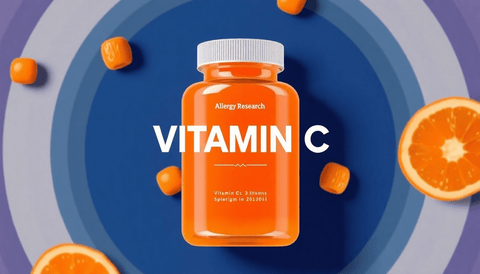
La vitamina C tamponata in polvere Allergy Research Group è una formulazione meno acida dell'acido ascorbico, pensata per chi cerca una polvere potenzialmente più tollerabile. Questa guida spiega che cosa significa “tamponata”, quali funzioni fisiologiche svolge la vitamina C, come leggere l'etichetta, come usarla senza improvvisare le dosi e quali precauzioni considerare, soprattutto in caso di farmaci, patologie o allergie.
{"content":"
La vitamina C tamponata in polvere è una forma di vitamina C in cui l'acido ascorbico è combinato con sali minerali alcalini, come ascorbato di calcio, magnesio, potassio o sodio. Ne risulta un integratore significativamente meno acido dell'acido ascorbico standard, che molte persone trovano più delicato per lo stomaco. In questo articolo scoprirai cosa è davvero la vitamina C tamponata in polvere, come si differenzia dalla vitamina C normale, chi può trarne beneficio, quanta vitamina C serve davvero, quali alimenti la forniscono e come valutare e utilizzare in sicurezza una polvere tamponata, se decidi che l'integrazione abbia senso per te.
\n\n
Cos'è la vitamina C tamponata in polvere?
\n\n
La vitamina C tamponata in polvere è un integratore idrosolubile in cui la vitamina C non è fornita come acido ascorbico puro, ma come ascorbati minerali. Invece di una fase altamente acida che può irritare l'apparato digerente sensibile, la molecola di vitamina C è legata a un minerale alcalino. Il risultato è una polvere che si scioglie facilmente in acqua e fornisce vitamina C con un pH molto meno acido: è questo il motivo principale per cui le persone la scelgono.
\n\n
Come si differenzia dalla vitamina C standard (acido ascorbico)?
\n\n
Gli integratori di vitamina C standard sono quasi sempre acido ascorbico puro, chimicamente identico alla vitamina C presente negli alimenti ma piuttosto acido. La vitamina C tamponata sostituisce parte o tutto quell'acido con sali minerali, innalzando il pH della soluzione. Dal punto di vista nutrizionale, la vitamina C in sé è la stessa molecola una volta assorbita; la differenza riguarda principalmente la tollerabilità e il sapore, non una forma fundamentalmente superiore della vitamina.
\n\n
Cosa significa \"tamponata\" e perché è importante?
\n\n
\"Tamponata\" indica l'aggiunta di minerali alcalini che neutralizzano parte dell'acidità dell'acido ascorbico. Questo conta per due motivi pratici: riduce la probabilità di disturbi gastrici, bruciore di stomaco o fastidi digestivi, e rende più tollerabili le dosi singole elevate. Per chi soffre di reflusso o è sensibile agli integratori acidi, il tamponamento può fare la differenza tra riusare a tollerare un integratore o abbandonarlo.
\n\n
Forme più comuni nelle polveri di vitamina C tamponata
\n\n
La maggior parte delle polveri tamponate utilizza uno o più dei seguenti ascorbati minerali:
\n\n
- Ascorbato di sodio – ben tollerato ed economico, ma apporta sodio, un aspetto rilevante per chi limita l'assunzione di sale.
- Ascorbato di calcio – fornisce una piccola quantità di calcio insieme alla vitamina C.
- Ascorbato di magnesio – apporta magnesio, sebbene di solito in quantità modeste per dose.
- Ascorbato di potassio – fornisce una piccola quantità di potassio; generalmente usato in combinazione piuttosto che da solo.
\n\n
Molti prodotti commerciali combinano più di questi sali per bilanciare sapore, contenuto minerale e pH.
\n\n
Perché scegliere una polvere invece di compresse o capsule?
\n\n
Flessibilità di dosaggio e porzioni regolabili
\n\n
Le polveri consentono di misurare porzioni più piccole o più grandi rispetto a quelle fisse di una capsula o compressa. Questo è particolarmente utile quando si vuole iniziare con una dose bassa e regolarla gradualmente, o quando i membri della famiglia hanno esigenze diverse. Con una polvere, mezzo misurino o un misurino pieno è una semplice questione di dosaggio.
\n\n
Mescolarla in bevande e frullati
\n\n
La vitamina C tamponata in polvere si scioglie facilmente in acqua, succo o frullati e ha un sapore leggermente salato o neutro anziché acido e pungente. Questo la rende facile da integrare nella routine quotidiana, anche per chi non ama inghiottire compresse. Aggiungerla a cibi o bevande può anche rallentare leggermente l'assunzione, cosa che alcune persone trovano più delicata per la digestione.
\n\n
Eventuali differenze di assorbimento e tolleranza
\n\n
Non ci sono solide evidenze che la vitamina C tamponata venga assorbita sostanzialmente meglio dell'acido ascorbico; la molecola di vitamina C è la stessa una volta che raggiunge il circolo sanguigno. Dove le forme tamponate differiscono realmente è la tolleranza: la ricerca sulla vitamina C ad alto dosaggio suggerisce che frazionare le dosi e usare forme meno acide può ridurre gli effetti collaterali digestivi. In pratica, il vantaggio principale delle polveri tamponate è il comfort, non un bioavailability notevolmente migliorato.
\n\n
Chi può trarre beneficio da una forma più delicata di vitamina C?
\n\n
Persone con stomaco sensibile o reflusso acido
\n\n
Chiunque manifesti bruciore di stomaco, nausea o fastidi gastrici dopo aver assunto acido ascorbico normale può trovare una versione tamponata più tollerabile. La minore acidità rende meno probabile l'insorgenza dei sintomi di reflusso, soprattutto se assunta a stomaco vuoto.
\n\n
Chi assume vitamina C ad alto dosaggio per il supporto immunitario
\n\n
A dosaggi più elevati, l'acido ascorbico non tamponato ha più probabilità di causare disturbi digestivi. Chi sceglie dosi supplementari più alte spesso preferisce le forme tamponate proprio perché porzioni singole più grandi restano tollerabili. Vale la pena notare che le evidenze sul fatto che la vitamina C ad alto dosaggio prevenga o accorci i raffreddori sono contrastanti; un'assunzione regolare e adeguata è più chiaramente supportata rispetto alle megadosi.
\n\n
Persone con fabbisogni quotidiani più elevati
\n\n
Fumatori, persone con scarso apporto di frutta e verdura e coloro che presentano determinate condizioni di salute possono avere fabbisogni maggiori di vitamina C. Per chi l'alimentazione da sola non basta, una forma di integratore tollerabile rimuove un ostacolo pratico a un'assunzione costante.
\n\n
Quanta vitamina C serve davvero?
\n\n
Assunzione giornaliera raccomandata e limiti superiori
\n\n
Le assunzioni raccomandate di vitamina C sono modeste rispetto alle tipiche dosi degli integratori. Per la maggior parte degli adulti, le raccomandazioni si collocano all'incirca nell'intervallo di 75–110 mg al giorno, con valori suggeriti leggermente più alti per i fumatori e valori leggermente diversi durante gravidanza e allattamento. Il livello massimo di assunzione tollerabile comunemente citato per gli adulti è di circa 2.000 mg al giorno da alimenti e integratori combinati; oltre questa soglia aumenta il rischio di effetti collaterali digestivi.
\n\n
Segnali di un possibile apporto insufficiente
\n\n
Un apporto basso di vitamina C nel tempo è stato associato a stanchezza, problemi alle gengive, guarigione più lenta delle ferite e maggiore suscettibilità a infezioni minori. Tuttavia, questi sintomi sono aspecifici e possono avere molte cause; la carenza grave (scorbuto) è rara nei Paesi con accesso a prodotti freschi. I sintomi da soli non possono stabilire lo stato di vitamina C, e dubbi persistenti meritano una valutazione professionale.
\n\n
Quando dosi più alte possono essere giustificate
\n\n
Un apporto supplementare più elevato può essere ragionevole in situazioni specifiche, come un apporto alimentare inadeguato, un aumento dello stress ossidativo dovuto al fumo, o su consiglio di un professionista sanitario. Detto questo, l'efficienza di assorbimento diminuisce all'aumentare della dose, il che significa che dosi singole molto grandi forniscono proporzionalmente meno beneficio. Frazionare le dosi e restare ben al di sotto del livello massimo tollerabile è una strategia più sensata rispetto a incrementare la dose.
\n\n
Prima gli alimenti: le principali fonti alimentari di vitamina C
\n\n
Frutta e verdura ricca di vitamina C
\n\n
Fonti eccellenti sono gli agrumi, il kiwi, le fragole, i peperoni, i broccoli, i cavolini di Bruxelles e le patate. Una singola arancia o una manciata di fragole contribuisce già in modo significativo al fabbisogno giornaliero, ed è per questo che la maggior parte delle persone che seguono un'alimentazione varia con prodotti freschi ottiene vitamina C a sufficienza solo dagli alimenti.
\n\n
Come cottura e conservazione influiscono sul contenuto di vitamina C
\n\n
La vitamina C è sensibile al calore e idrosolubile, quindi una bollitura prolungata e lunghi tempi di conservazione ne riducono il contenuto. La cottura a vapore, un salto in padella breve o il consumo crudo preservano una quota maggiore della vitamina. I prodotti freschi consumati entro pochi giorni dall'acquisto conservano più vitamina C rispetto a quelli conservati per settimane.
\n\n
Apporto alimentarmente realistico versus integrazione
\n\n
Chi mangia ogni giorno più porzioni di frutta e verdura in genere non ha bisogno di un integratore. L'integrazione diventa più rilevante per chi segue diete restrittive, ha accesso limitato a prodotti freschi o ha fabbisogni maggiorati. Se non sei sicuro che il tuo apporto sia adeguato, rivedere la tua dieta — o discuterne con un dietista o un medico — è un punto di partenza migliore rispetto ad aggiungere automaticamente un integratore. Per un contesto più ampio su questa vitamina, consulta la nostra guida alla vitamina C su immunità, funzione antiossidante ed energia.
\n\n
Nutrienti chiave che agiscono insieme alla vitamina C
\n\n
Assorbimento del ferro e ruolo della vitamina C
\n\n
La vitamina C aumenta l'assorbimento del ferro non-eme, la forma presente negli alimenti di origine vegetale. Abbinare alimenti ricchi di vitamina C ai pasti contenenti ferro è una strategia nutrizionale consolidata. È anche uno dei motivi per cui una polvere di vitamina C tamponata assunta con i pasti può offrire un vantaggio pratico a chi fa affidamento su fonti vegetali di ferro.
\n\n
Formazione del collagene e supporto ai tessuti connettivi
\n\n
La vitamina C è un cofattore essenziale nella sintesi del collagene, a supporto di pelle, vasi sanguigni, cartilagini e guarigione delle ferite. Questa funzione è ben consolidata ed è alla base di molti dei ruoli strutturali della vitamina C per la salute, non solo della sua reputazione per il supporto immunitario.
\n\n
Attività antiossidante e interazione con altri antiossidanti
\n\n
La vitamina C agisce insieme ad altri antiossidanti come la vitamina E e i carotenoidi, aiutando a neutralizzare i radicali liberi e a rigenerare altre molecole antiossidanti. La rete antiossidante dell'organismo è interdipendente, ed è uno dei motivi per cui una dieta varia è generalmente superiore a un singolo nutriente isolato. Per approfondire, consulta la nostra panoramica su antiossidanti e su come aiutano a proteggere l'organismo dai radicali liberi.
\n\n
Cosa cercare in una vitamina C tamponata in polvere
\n\n
Capire i sali minerali: ascorbato di sodio, calcio, potassio e magnesio
\n\n
Verifica quali minerali tamponanti utilizza un prodotto. L'ascorbato di sodio apporta sodio, il che può rilevare se limiti il sale. Gli ascorbati di calcio e magnesio aggiungono piccole quantità di quei minerali — talvolta un vantaggio, ma da considerare se assumi altri integratori minerali. Le miscele di più sali offrono spesso un buon compromesso tra sapore e carico minerale.
\n\n
Dosaggio per porzione e quantità di vitamina C pura per misurino
\n\n
È probabilmente l'informazione più importante in etichetta. Un misurino di polvere tamponata pesa più di una quantità equivalente di acido ascorbico puro, perché i sali minerali aggiungono peso. Controlla quanta vitamina C effettiva (non peso totale di polvere) fornisce ogni porzione, così da confrontare i prodotti in modo accurato e restare entro la dose prevista.
\n\n
Ingredienti aggiunti: aromi, dolcificanti e eccipienti
\n\n
Alcune polveri sono senza aromi e contengono solo ascorbati minerali; altre includono dolcificanti, aromi o coloranti. Se preferisci una formula essenziale o prevedi di mescolare la polvere nelle tue bevande, cerca elenchi di ingredienti brevi e verifica eventuali allergeni o dolcificanti che vuoi evitare.
\n\n
Analisi di terze parti e certificazioni di qualità
\n\n
Poiché gli integratori sono regolati in modo diverso dai farmaci, la verifica indipendente della qualità offre un'importante rassicurazione. Cerca indicazioni come analisi di terze parti, produzione GMP o altre certificazioni di qualità quando confronti i prodotti all'interno della nostra gamma più ampia di integratori naturali.
\n\n
Come leggere correttamente l'etichetta dell'integratore
\n\n
Distinguere gli equivalenti di acido ascorbico dai sali minerali
\n\n
Un'etichetta ben formulata indica quanta attività vitaminica C fornisce ogni porzione, non solo il peso totale della miscela di ascorbati minerali. Ad esempio, l'ascorbato di sodio contiene all'incirca l'88% di acido ascorbico per peso; il resto è sodio. Comprendere questa distinzione evita confusione quando si confronta una polvere tamponata con prodotti di acido ascorbico puro.
\n\n
Calcolare l'apporto di minerale elementare dall'agente tamponante
\n\n
Controlla il contenuto di minerale elementare indicato per porzione. Più porzioni al giorno di un prodotto a base prevalente di ascorbato di sodio possono accumulare un apporto di sodio notevole, mentre gli ascorbati di magnesio o calcio contribuiscono all'apporto minerale totale. Se assumi integratori minerali separati, tenine conto per evitare sovrapposizioni involontarie.
\n\n
Interpretare \"attività di vitamina C\" rispetto al peso totale della polvere
\n\n
Peso totale della polvere e contenuto di vitamina C non sono la stessa cosa. Un prodotto con una porzione dichiarata elevata può fornire una quantità modesta di vitamina C una volta contabilizzato il componente minerale. Confronta sempre i prodotti in base ai milligrammi di vitamina C per porzione, non ai grammi di polvere.
\n\n
Possibili effetti collaterali e considerazioni sulla sicurezza
\n\n
Tollerabilità gastrointestinale e come regolare il dosaggio
\n\n
Anche la vitamina C tamponata può causare feci molli o fastidi digestivi ad alte dosi — un effetto talvolta chiamato soglia di \"tolleranza intestinale\". Se ciò si verifica, riduci la dose o dividila in porzioni più piccole nell'arco della giornata. Assumere la polvere con il cibo può inoltre migliorare la tolleranza.
\n\n
Livelli massimi di assunzione e rischi di un eccesso
\n\n
Assunzioni prolungate superiori al limite massimo stabilito (circa 2.000 mg al giorno per gli adulti) aumentano il rischio di effetti collaterali digestivi e, nelle persone predisposte, possono contribuire a calcoli renali legati agli ossalati. Non ci sono evidenze che le megadosi di vitamina C forniscano benefici proporzionali per la salute, e più non significa meglio.
\n\n
Interazioni con farmaci o condizioni di salute preesistenti
\n\n
Le persone con pregressi calcoli renali, emocromatosi (sovraccarico di ferro) o malattie renali dovrebbero consultare un professionista sanitario prima di assumere integratori di vitamina C. La vitamina C ad alto dosaggio può interagire con alcuni farmaci e può alterare i risultati di alcuni esami di laboratorio. Anche le donne in gravidanza o in allattamento e chiunque assuma farmaci soggetti a prescrizione dovrebbero chiedere consiglio prima di superare le quantità integrative tipiche.
\n\n
Come decidere se l'integrazione fa per te
\n\n
Valutare dieta, stile di vita e livelli di stress
\n\n
Inizia con onestà: mangi frutta e verdura ogni giorno? Fumi, segui una dieta restrittiva o hai accesso limitato a prodotti freschi? Se la tua dieta è già ricca di fonti di vitamina C, l'integrazione può aggiungere poco. Se il tuo apporto è davvero incostante, un integratore può rappresentare una pratica rete di sicurezza, non un sostituto di una buona nutrizione.
\n\n
Quando una guida professionale o degli esami possono essere utili
\n\n
Se manifesti sintomi ricorrenti che sospetti siano legati alla dieta, o hai una condizione medica che incide sull'assorbimento dei nutrienti, una valutazione professionale è più affidabile dell'autodiagnosi. Un medico o un dietista può valutare l'apporto complessivo e, se pertinente, prescrivere gli esami opportuni invece di tirare a indovinare.
\n\n
Un approccio pratico per iniziare con una vitamina C tamponata in polvere
\n\n
Se decidi di integrare, un approccio sensato è iniziare con una porzione modesta — ben al di sotto del livello massimo di assunzione — assunta con il cibo, e regolare gradualmente in base alla tolleranza. Scegli un prodotto con etichetta trasparente, una miscela di minerali tamponanti adatta alle tue esigenze e una verifica indipendente della qualità. La costanza di una dose moderata ti serve meglio di occasionali dosi elevate.
\n\n
Conclusione: fare una scelta informata
\n\n
La vitamina C tamponata in polvere offre un modo pratico e ben tollerato di integrare la vitamina C, in particolare per chi ha lo stomaco sensibile o preferisce un dosaggio flessibile in forma di polvere. Il suo vantaggio principale è il comfort, non un assorbimento superiore, e funziona meglio come complemento — non come sostituto — di una dieta ricca di frutta e verdura. I fabbisogni di vitamina C variano in base a età, dieta, abitudine al fumo e condizioni di salute, quindi la quantità giusta differisce da persona a persona. Dando priorità alle fonti alimentari, capendo cosa dice davvero l'etichetta e restando entro intervalli di assunzione sensati, puoi decidere se una polvere tamponata si adatta davvero alla tua situazione. In caso di dubbi — soprattutto con condizioni di salute preesistenti, uso di farmaci, gravidanza o sintomi insoliti — un confronto con un professionista qualificato è il passo successivo più affidabile.
\n\n
Domande frequenti
\n\n
Cos'è la vitamina C tamponata in polvere?
\n
È un integratore di vitamina C in cui l'acido ascorbico è legato a minerali alcalini come sodio, calcio, magnesio o potassio, formando ascorbati minerali. Questo riduce l'acidità della polvere, rendendola più delicata per lo stomaco dell'acido ascorbico standard.
\n\n
La vitamina C tamponata si assorbe meglio dell'acido ascorbico normale?
\n
Nessuna solida evidenza mostra che la vitamina C tamponata venga assorbita in modo significativamente migliore. Una volta assorbita, la molecola di vitamina C è identica. Il vero vantaggio è la minore irritazione digestiva, soprattutto a dosi più alte.
\n\n
Perché la vitamina C tamponata causa meno disturbi gastrici?
\n
I sali minerali alcalini neutralizzano parte dell'acidità dell'acido ascorbico, innalzando il pH della soluzione nello stomaco. Questo rende meno probabile l'insorgenza di bruciore di stomaco, nausea o irritazione, in particolare a stomaco vuoto.
\n\n
Qual è il momento migliore per assumere la vitamina C tamponata in polvere?
\n
Può essere assunta in qualsiasi momento della giornata; assumerla con un pasto può migliorare ulteriormente la tolleranza e, se consumata insieme a fonti vegetali di ferro, può favorire l'assorbimento del ferro. La costanza conta più del timing.
\n\n
Si può esagerare con la vitamina C tamponata?
\n
Sì. Assunzioni superiori a circa 2.000 mg al giorno aumentano il rischio di effetti collaterali digestivi e, nelle persone predisposte, di calcoli renali. Le forme tamponate sono più delicate, ma non rendono sicure dosi eccessive.
\n\n
La vitamina C tamponata contiene molto sodio?
\n
I prodotti a base di ascorbato di sodio apportano effettivamente sodio — circa 111 mg di sodio per 1.000 mg di vitamina C. Se limiti l'assunzione di sale, cerca polveri a base di ascorbati di calcio, magnesio o potassio.
\n\n
La vitamina C tamponata è uguale alla vitamina C \"ester\" o liposomiale?
\n
No. La vitamina C tamponata usa sali minerali dell'acido ascorbico; la vitamina C liposomiale incapsula il nutriente in vescicole di grasso, e le forme esterificate hanno una struttura chimica diversa. Sono categorie distinte con caratteristiche diverse.
\n\n
La vitamina C tamponata in polvere può essere mescolata in bevande calde?
\n
La vitamina C si degrada con il calore, quindi è meglio mescolarla in liquidi freschi o tiepidi. Aggiungerla a bevande bollenti ne riduce il contenuto di vitamina C.
\n\n
Chi dovrebbe evitare gli integratori di vitamina C ad alto dosaggio?
\n
Persone con pregressi calcoli renali, malattie renali o disturbi da sovraccarico di ferro dovrebbero chiedere un parere medico prima dell'uso ad alto dosaggio. Può inoltre interagire con alcuni farmaci e alterare alcuni esami di laboratorio.
\n\n
Ho bisogno di un integratore di vitamina C se mangio frutta e verdura?
\n
La maggior parte delle persone che consuma regolarmente prodotti freschi ottiene vitamina C a sufficienza dagli alimenti. L'integrazione è principalmente rilevante quando l'apporto alimentare è limitato o i fabbisogni sono aumentati.
\n\n
Dopo quanto tempo si notano gli effetti dell'integrazione di vitamina C?
\n
Se il tuo apporto era precedentemente basso, correggerlo supporta la normale funzione fisiologica nell'arco di settimane, ma effetti soggettivi percepibili non sono garantiti. La vitamina C non è uno stimolante, e i benefici dell'integrazione in persone già adeguatamente rifornite non sono ben dimostrati.
\n\n
La vitamina C tamponata è adatta ai vegani?
\n
Sì — gli ascorbati minerali sono sintetizzati da fonti non animali e sono generalmente adatti ai vegani. Verifica l'etichetta per assicurarti che non siano inclusi eccipienti di origine animale.
\n\n
Parole chiave correlate
\n
- vitamina c tamponata in polvere
- vitamina c tamponata
- polvere di ascorbato di sodio
- ascorbato di calcio
- ascorbato di magnesio
- vitamina c non acida
- vitamina c in polvere per stomaco sensibile
- ascorbati minerali di vitamina c
- tolleranza alla vitamina c ad alto dosaggio
- acido ascorbico vs vitamina c tamponata
- assunzione giornaliera di vitamina c
- vitamina c per il supporto immunitario
- assorbimento e biodisponibilità della vitamina c
\n"}