L'esercizio fisico regolare è uno dei modi più efficaci per sostenere la salute del cuore e dei vasi sanguigni. I suoi benefici includono una pressione sanguigna più equilibrata, un profilo lipidico migliore, una circolazione più efficiente e una riduzione dell'infiammazione. Questi effetti si ottengono con costanza e gradualità, non con sforzi isolati, e l'intensità va adattata alla propria condizione fisica e al proprio stato di salute.
Che cosa sono i benefici cardiovascolari e perché contano
I benefici cardiovascolari sono gli effetti positivi che uno stile di vita attivo produce sul cuore e sui vasi sanguigni. Si parla, in particolare, di una pressione sanguigna più equilibrata, di livelli di colesterolo e trigliceridi più sani e di una circolazione più efficiente. Non si tratta di un singolo effetto, ma di un insieme di adattamenti che, nel tempo, contribuiscono al benessere generale.
Il sistema cardiovascolare ha il compito di trasportare ossigeno e nutrienti a ogni cellula del corpo e di rimuovere i prodotti di scarto. Quando funziona bene, ne traggono vantaggio l'energia quotidiana, la resistenza fisica e anche alcune funzioni cognitive. Per questo la salute di cuore e vasi sanguigni è considerata centrale per il benessere generale, non solo per chi pratica sport.
L'esercizio fisico è una delle leve principali per sostenere questa salute, insieme a un'alimentazione equilibrata e ad altri fattori dello stile di vita. I benefici legati all'attività fisica vanno distinti da quelli che possono derivare da dieta e integratori: si tratta di ambiti diversi, che si completano ma non si sostituiscono a vicenda. Tra i principali effetti positivi di uno stile di vita attivo si possono citare:
- Pressione sanguigna più equilibrata
- Colesterolo e trigliceridi più sani
- Circolazione e trasporto di ossigeno più efficienti
- Maggiore energia e resistenza quotidiana
- Sostegno alla funzione cognitiva
Come l'esercizio fisico migliora la funzione del cuore
L'esercizio regolare sottopone il muscolo cardiaco a uno stimolo graduale che, con il tempo, può rafforzarlo e renderlo più efficiente nel pompare sangue. Un cuore che lavora in modo più efficace riesce a fornire ossigeno ai tessuti con minore sforzo, contribuendo a una sensazione di maggiore resistenza nelle attività quotidiane.
L'attività fisica può inoltre aiutare a mantenere elastici i vasi sanguigni e a sostenere una pressione arteriosa più stabile. Il miglioramento della capacità di trasporto dell'ossigeno è un altro effetto spesso osservato in chi si allena con regolarità. Va però ricordato che questi effetti variano da persona a persona e dipendono dal tipo, dalla durata e dall'intensità dell'attività praticata.
- Cuore più forte ed efficiente
- Vasi sanguigni più elastici
- Migliore trasporto di ossigeno
- Pressione arteriosa più stabile
- Maggiore resistenza fisica
I principali benefici cardiovascolari dell'esercizio
Tra i benefici più studiati dell'attività fisica regolare ci sono la riduzione della pressione arteriosa, il miglioramento dei livelli di colesterolo, la riduzione dell'infiammazione, il controllo del peso corporeo e una migliore gestione della glicemia. A questi si aggiunge la riduzione dello stress, che può avere un impatto indiretto ma rilevante sul benessere cardiovascolare.
Questi effetti tendono a sommarsi: agendo su più fronti contemporaneamente, l'esercizio fisico è associato a una riduzione del rischio cardiovascolare complessivo. È importante parlare di associazioni e di effetti osservati negli studi, non di cure o garanzie. L'attività fisica, da sola, non elimina il rischio individuale e non sostituisce eventuali terapie prescritte dal medico.
- Riduzione della pressione arteriosa
- Miglioramento dei livelli di colesterolo
- Riduzione dell'infiammazione
- Controllo del peso corporeo
- Migliore gestione della glicemia
- Riduzione dello stress
Quanto esercizio serve per ottenere benefici per il cuore
Le linee guida generali suggeriscono circa 150 minuti di attività aerobica moderata a settimana, come indicazione di riferimento per la popolazione adulta. Si tratta di un valore orientativo: anche quantità inferiori di attività possono portare benefici, soprattutto per chi parte da uno stile di vita sedentario. La costanza conta più dell'intensità isolata di una singola sessione.
Esiste una relazione tra dose e risposta: in generale, più attività corrisponde a maggiori benefici, entro limiti ragionevoli e in assenza di controindicazioni. Per evitare infortuni, è consigliabile aumentare gradualmente durata e intensità, ascoltando i segnali del proprio corpo. Combinare attività aerobica e allenamento di resistenza aiuta a costruire un programma più completo.
- Circa 150 minuti di attività moderata a settimana
- Sessioni brevi ma regolari
- Aumento graduale di durata e intensità
- Combinazione di attività aerobica e di resistenza
Tipi di esercizio per la salute del cuore
L'esercizio aerobico, come camminata, corsa, nuoto o ciclismo, rappresenta la base per la salute del cuore. L'allenamento di resistenza, con pesi o esercizi a corpo libero, sostiene invece la massa muscolare e il metabolismo, contribuendo indirettamente al benessere cardiovascolare. L'allenamento a intervalli ad alta intensità (HIIT) può essere un'opzione per chi ha già una buona base di fitness, mentre per i principianti è opportuno procedere con cautela.
Variare le attività aiuta a mantenere il programma interessante e a stimolare il corpo in modo equilibrato. Anche i movimenti della vita quotidiana, come camminare o salire le scale, contribuiscono al totale dell'attività settimanale. Non vanno dimenticati i momenti di recupero e riposo, che permettono all'organismo di adattarsi agli stimoli.
- Esercizio aerobico moderato
- Allenamento di resistenza
- Allenamento a intervalli ad alta intensità
- Attività quotidiane come camminare o salire le scale
- Momenti di recupero e riposo
Come iniziare ad allenarsi in sicurezza
Prima di iniziare un programma di esercizio è consigliabile consultare un medico, soprattutto in caso di condizioni cardiache note, età avanzata o sedentarietà prolungata. Il professionista può valutare la situazione individuale e indicare eventuali limiti o precauzioni. Per chi parte da zero, è meglio iniziare con attività leggere e aumentare gradualmente durata e intensità.
Imparare ad ascoltare i segnali del corpo è fondamentale: in caso di dolore, vertigini o respiro affannoso anomalo, è opportuno fermarsi e rivolgersi a un professionista se i sintomi persistono. L'esercizio fisico non sostituisce le cure mediche né le terapie prescritte, ma rappresenta un supporto importante per il benessere generale.
- Consultare il medico prima di iniziare
- Partire con attività leggere
- Aumentare gradualmente l'intensità
- Ascoltare i segnali del corpo
- Fermarsi in caso di sintomi anomali
Alimentazione e integratori a sostegno del cuore
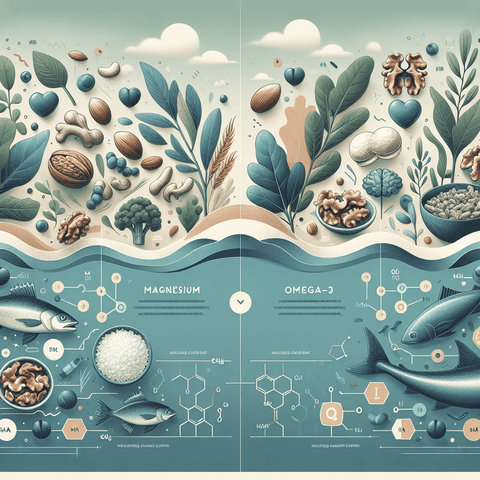
Una dieta ricca di frutta, verdura, cereali integrali, legumi e pesce grasso sostiene la salute cardiovascolare e si integra bene con un programma di attività fisica regolare. In questo contesto, alcuni nutrienti sono oggetto di interesse per il loro ruolo fisiologico, come gli omega-3 DHA ed EPA, il magnesio e le vitamine D e K. È importante sottolineare che si tratta di un supporto e non di una cura.
Il magnesio, per esempio, contribuisce alla normale funzione muscolare, incluso il muscolo cardiaco, e molti atleti lo considerano un alleato nella routine quotidiana. Per chi cerca un supporto specifico, esistono integratori di magnesio formulati per diverse esigenze. Allo stesso modo, gli integratori di omega-3 DHA ed EPA sono spesso scelti da chi desidera integrare l'apporto di questi acidi grassi nella dieta.
Anche gli antiossidanti rivestono un ruolo nel proteggere le cellule dallo stress ossidativo, e in questo ambito si collocano gli integratori di vitamina C. Quando si parla di alimenti vegetali e composti benefici per il cuore, è utile fare riferimento alle indicazioni nutrizionali approvate EFSA, che forniscono un quadro regolatorio per le affermazioni sulla salute. Gli integratori non sostituiscono una dieta equilibrata né le terapie prescritte, e prima di assumerli è consigliabile parlare con il medico, soprattutto in caso di farmaci in uso.
- Frutta e verdura colorata
- Cereali integrali e legumi
- Pesce grasso ricco di omega-3
- Integratori solo come supporto
- Consultazione medica prima dell'uso
Domande frequenti sui benefici cardiovascolari
Quali sono i 5 benefici principali dell'esercizio cardiovascolare?
I cinque benefici più spesso citati includono: una pressione sanguigna più equilibrata, un miglioramento del profilo lipidico, una riduzione dell'infiammazione, un controllo più efficace del peso corporeo e una migliore gestione della glicemia. A questi si aggiungono effetti positivi su energia, resistenza e gestione dello stress.
Perché in Giappone c'è meno malattia cardiaca?
Le differenze nella prevalenza delle malattie cardiovascolari tra Paesi sono oggetto di studio e vengono ricondotte a fattori culturali, geografici e alimentari. La dieta tradizionale giapponese, ricca di pesce, verdure e soia, è spesso citata come possibile fattore contribuente. Si tratta di un confronto complesso, che non può essere ridotto a una singola causa né generalizzato in modo semplicistico.
Il semaglutide ha benefici cardiovascolari?
Il semaglutide è un farmaco soggetto a prescrizione medica e il suo impiego, compreso l'eventuale impatto cardiovascolare, rientra in un ambito clinico che richiede il parere di un professionista. Le informazioni sulle sue indicazioni e sui suoi effetti devono essere discusse con il medico curante, non con il fai-da-te.
Qual è lo spuntino consigliato dai cardiologi per il cuore?
Alcuni professionisti suggeriscono spuntini a base di frutta secca, semi, frutta fresca o yogurt, che offrono nutrienti utili in un contesto di dieta equilibrata. Si tratta di suggerimenti generali, non di prescrizioni individuali: le scelte alimentari vanno sempre adattate alle proprie esigenze e, se necessario, discusse con un professionista.