
it
Cosa causa la carenza di vitamina D? Fattori sorprendenti e soluzioni semplici
Oct 22, 2025
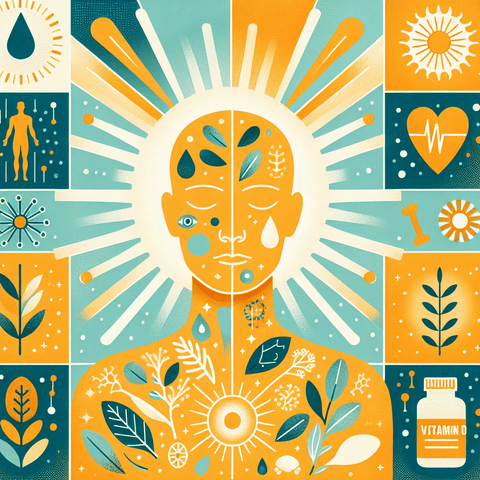
La carenza di vitamina D può causare stanchezza, debolezza muscolare e dolore osseo, ma questi segnali non bastano per una diagnosi. L’esame del sangue per la 25-idrossivitamina D, valutato da un professionista, è il modo più affidabile per controllare i livelli. L’articolo spiega cause, persone a rischio, alimenti, integrazione di vitamina D3 e principali precauzioni.
Low vitamin D is a topic that comes up frequently in conversations about bone health, muscle function, nutrition, and supplement choices. Vitamin D is a fat-soluble nutrient that the body can produce in the skin when exposed to ultraviolet light, and it can also be obtained from certain foods and supplements. Because several different routes contribute to vitamin D status, the causes of low vitamin D are usually not limited to one single factor. This page offers a broad overview of the most commonly discussed causes and how they relate to each other.
What Is Vitamin D and Why Does Status Vary?
Vitamin D refers to a group of fat-soluble compounds that contribute to normal bone and muscle function and help support the normal absorption and use of calcium and phosphorus. The body can produce vitamin D in the skin when exposed to ultraviolet light, and it can also obtain it from certain foods and supplements. Because these routes can vary widely from person to person, vitamin D status also varies. Factors such as sun exposure, skin type, age, dietary patterns, and overall health context can all play a role in how much vitamin D is available to the body.
Main Causes and Contributing Factors of Low Vitamin D
The causes of low vitamin D are often grouped into several broad categories. These categories help explain why two people with different lifestyles, diets, or health backgrounds may have different vitamin D statuses. The list below is not exhaustive, and many people have more than one contributing factor at the same time.
- Limited sun exposure: Spending most of the day indoors, living at higher latitudes, experiencing long winters, or having a lifestyle that reduces time outdoors can all reduce the amount of ultraviolet light available for skin production of vitamin D.
- Skin characteristics: Darker skin pigmentation contains more melanin, which can reduce the skin's ability to produce vitamin D from sunlight. This is a normal biological variation and not a sign of poor health.
- Age: Older age is often discussed as a factor because the skin may become less efficient at producing vitamin D over time, and older adults may also spend more time indoors.
- Dietary patterns: Relatively few foods naturally contain substantial amounts of vitamin D. People who follow restrictive diets, avoid certain food groups, or do not consume fortified foods may have lower dietary intake.
- Body weight and fat distribution: Vitamin D is stored in fat tissue. Some educational resources note that body weight and fat distribution can influence circulating vitamin D levels, though the relationship is complex.
- Health conditions affecting absorption or metabolism: Conditions that affect the liver, kidneys, or digestive tract are sometimes discussed in relation to vitamin D status because these organs are involved in converting or absorbing vitamin D.
- Medications: Some medications may influence vitamin D metabolism or absorption. This is a specialized area that should be discussed with a healthcare professional.
Lifestyle, Environment, and Vitamin D Status
Lifestyle and environment are two of the most frequently discussed dimensions of vitamin D status. Geographic location and season affect how much ultraviolet light reaches the skin. People who work indoors, use covering clothing for cultural or religious reasons, or consistently use sunscreen may have less skin production of vitamin D. Air quality and weather variability can also influence how much ultraviolet light reaches the ground. These factors do not act in isolation, and they can change over time. Understanding them as part of a broader context can help readers interpret general information about vitamin D without drawing personalized conclusions.
How Vitamin D Status Is Usually Assessed
Vitamin D status is typically assessed through a blood test that measures a specific form of vitamin D. The interpretation of results depends on the laboratory, the reference range used, and the individual's overall health context. Because low vitamin D can occur without obvious symptoms, and because symptoms that do occur can overlap with other conditions, blood testing and interpretation should be done by a qualified healthcare professional. This page does not provide diagnostic criteria or treatment recommendations.
Supporting Vitamin D Status: General Considerations
General educational resources often discuss several broad areas that can support vitamin D status. These include regular safe sun exposure where climate and skin type allow, consuming foods that naturally contain or are fortified with vitamin D, and considering supplements under professional guidance. The appropriate approach depends on individual circumstances, including location, season, diet, health status, and medications. Supplement forms and dosages are specialized topics that should be discussed with a healthcare professional. For readers who want to explore related nutritional topics, our vitamin D benefits, sources and safety guide and calcium and bone health collection provide broader context on nutrients that are often discussed together.
When to Seek Personalized Guidance
Because vitamin D status depends on many individual factors, general information cannot replace personalized medical advice. Readers who are concerned about their vitamin D status, who have a medical condition, who take prescription medications, or who are considering supplements should consult a qualified healthcare professional. A healthcare professional can evaluate individual circumstances, interpret blood test results, and provide appropriate guidance. This tag page is intended for general educational purposes only and should not be used to self-diagnose or self-treat.
Exploring Further: Related Topics and Resources
The articles associated with this tag page explore specific questions about low vitamin D in more detail. Readers who want to understand related nutritional topics can also explore our broader natural supplements collection or browse additional categories on the website. Each topic has its own context, and individual articles provide deeper coverage of specific questions that go beyond the broad overview presented here.