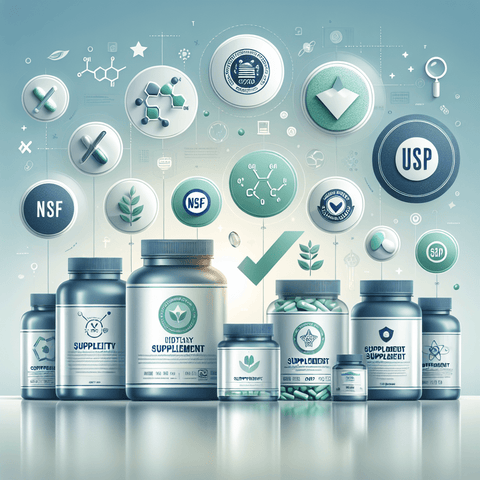
Gli integratori clean label sono presentati con ingredienti riconoscibili e dichiarati in modo trasparente, dosaggi leggibili e, di norma, un uso limitato e funzionale degli eccipienti. Tuttavia, “clean label” non è una categoria regolamentata né una certificazione riconosciuta dalla FDA o dalle autorità dell’Unione Europea: è un’espressione di marketing il cui significato può variare. Un’etichetta trasparente aiuta a verificare il prodotto, ma non garantisce da sola qualità, sicurezza o efficacia.
Che cosa significa davvero “clean label” su un integratore
Clean label descrive un approccio alla formulazione, non una lista ufficiale di ingredienti ammessi o vietati. In genere indica un prodotto che rende facilmente consultabili gli ingredienti, le quantità dei nutrienti e le forme utilizzate, evitando miscele proprietarie che non rivelano i dosaggi dei singoli componenti. La quantità di eccipienti, da sola, non determina se un prodotto sia valido: alcuni servono a ottenere una forma stabile e pratica da assumere.
Nel confrontare un integratore cosiddetto clean label con uno tradizionale, considera soprattutto la chiarezza delle informazioni, le forme dei nutrienti, gli ingredienti ausiliari e l’eventuale verifica indipendente. Nessuna delle due categorie garantisce automaticamente risultati migliori: l’etichetta dichiara che cosa contiene il prodotto, mentre formulazione, controlli e adeguatezza rispetto alle proprie esigenze contribuiscono a valutarne il valore.
- Trasparenza: ingredienti e quantità dichiarati, senza miscele proprietarie che nascondono i dosaggi.
- Additivi: ingredienti ausiliari elencati e utilizzati per una funzione comprensibile.
- Forme dei nutrienti: forme chimiche identificate, così da poterle confrontare.
- Verifica: eventuali controlli indipendenti documentati, oltre alle informazioni fornite dal marchio.
Perché la trasparenza degli ingredienti è importante per la tua salute
Un’etichetta dettagliata permette di confrontare ingredienti e quantità con le informazioni disponibili e di considerare il prodotto insieme agli altri integratori assunti. Questo può essere particolarmente utile in presenza di allergie, sensibilità o regimi alimentari specifici. La trasparenza, però, non rende un integratore più efficace: contano anche la forma del nutriente, la quantità e l’effettiva necessità di assumerlo.
Come eccipienti e additivi nascosti possono andare contro i tuoi obiettivi
Agenti antiagglomeranti, rivestimenti, eccipienti e dolcificanti non sono i nutrienti attivi, ma fanno parte della formulazione e dell’assunzione complessiva. La gelatina, per esempio, non è adatta a chi segue un’alimentazione vegetariana; coloranti o conservanti possono essere ingredienti che alcune persone preferiscono evitare. Chi ha allergie dovrebbe controllare sia l’elenco degli ingredienti sia le indicazioni relative agli allergeni e alle possibili tracce, senza affidarsi soltanto alla dicitura clean label.
Gli integratori clean label funzionano meglio? Segnali di qualità vs. clamore
Non necessariamente. Un’etichetta essenziale non dimostra che un integratore venga assorbito meglio o produca un risultato specifico. L’assorbimento può dipendere, tra gli altri fattori, dalla forma del nutriente e dalla digestione individuale. La trasparenza è utile perché consente di valutare la formulazione, ma non sostituisce una scelta adeguata e informazioni affidabili sulla qualità.
Segnali d'allarme sull'etichetta: quando un prodotto non è così pulito come dichiara
Una miscela proprietaria raggruppa più ingredienti senza indicare la quantità di ciascuno: rende quindi difficile confrontare i dosaggi e capire quale apporto offre ogni componente. Anche termini come “naturale”, “puro” e “premium” non sono, da soli, prove di qualità o di controlli indipendenti. Nell’Unione Europea le indicazioni nutrizionali e sulla salute sono soggette a regole specifiche; è utile distinguerle dagli aggettivi promozionali sulla confezione.
Esamina con attenzione coloranti artificiali, dolcificanti non necessari alle tue preferenze e oli idrogenati. Il biossido di titanio non è autorizzato come additivo alimentare nell’UE. Una lista degli “altri ingredienti” lunga non dimostra automaticamente che la formulazione sia scadente, ma merita di essere letta e compresa.
- Miscele proprietarie che non specificano i dosaggi individuali.
- Ingredienti ausiliari che non riconosci o la cui funzione non è chiara.
- Coloranti artificiali, dolcificanti superflui o oli idrogenati, se non corrispondono alle tue preferenze.
- Dichiarazioni come “naturale”, “puro” o “premium” senza informazioni verificabili a supporto.
Come leggere l'etichetta di un integratore come un esperto
Inizia dalla dose giornaliera indicata e controlla a quale quantità si riferiscono i valori: a una capsula, a una compressa o a una porzione composta da più unità. Poi confronta l’elenco degli ingredienti, le quantità dichiarate e le indicazioni d’uso. Le informazioni richieste in etichetta sono sottoposte a regole; le frasi in evidenza sul fronte della confezione, invece, non sostituiscono la verifica dei dettagli.
Il pannello dei valori nutrizionali: porzioni, quantità e % dei valori giornalieri
Verifica se le quantità sono indicate per capsula o per porzione e leggi le istruzioni per l’assunzione giornaliera. Quando è riportata una percentuale dei valori nutritivi di riferimento, ricorda che si basa su riferimenti generali e non descrive necessariamente il fabbisogno personale. Per i prodotti venduti nell’UE, controlla le informazioni previste per gli integratori alimentari, inclusa la quantità dei nutrienti dichiarati nella dose giornaliera consigliata.
Decifrare la lista degli “altri ingredienti”
Una lista breve di ingredienti ausiliari con una funzione nella formulazione è comune e non è, di per sé, un difetto. Leggi a che cosa servono eventuali antiagglomeranti, rivestimenti o agenti di consistenza e controlla la presenza di ingredienti che desideri evitare. Se un componente non è familiare, cercane la funzione o chiedi chiarimenti a un professionista: la lunghezza dell’elenco da sola non consente di giudicare la qualità.
Claim in confezione vs. ciò che l'etichetta può realmente verificare
Nell’UE i claim sulla salute, come quelli relativi al supporto di una normale funzione dell’organismo, devono rispettare le norme applicabili e basarsi su indicazioni autorizzate per le condizioni previste. Negli Stati Uniti si applicano regole diverse, comprese quelle per i claim sulla struttura o funzione. In ogni caso, uno slogan sulla confezione non prova da solo l’efficacia del prodotto: leggi le quantità e gli ingredienti e verifica che le dichiarazioni siano appropriate e documentabili.
Come scegliere un integratore clean label: i criteri che contano davvero
Valuta prima quale esigenza dovrebbe soddisfare l’integratore, poi confronta forma del nutriente, quantità, ingredienti ausiliari e modalità d’uso. Forme diverse possono avere caratteristiche differenti: per esempio, vitamina D3 e D2 sono forme distinte della vitamina D, così come citrato e ossido sono forme diverse di magnesio. Non esiste una forma migliore per tutti; confronta le informazioni disponibili e considera il contesto individuale.
Le certificazioni e i controlli volontari possono offrire informazioni aggiuntive, ma non sono intercambiabili. USP, NSF e Informed Choice si riferiscono a programmi o verifiche con ambiti specifici: controlla che cosa copre il marchio riportato sul prodotto. GMP indica buone pratiche di produzione e non equivale, da sola, alla certificazione indipendente di ogni singolo prodotto. Anche un certificato di analisi è utile solo se è chiaro che cosa è stato testato e da chi.
- Forma del nutriente: controlla quale forma è dichiarata e confrontala con le informazioni disponibili.
- Quantità: valuta i dosaggi nel contesto delle evidenze e dei valori di riferimento, senza basarti soltanto su promesse promozionali.
- Verifiche: cerca informazioni precise su controlli di terze parti, programmi USP, NSF o Informed Choice e pratiche GMP.
- Formula: valuta se ti serve un ingrediente singolo o una combinazione, leggendo le quantità di ciascun componente.
- Compatibilità: controlla allergeni, origine degli ingredienti e presenza di capsule vegane, se rilevanti per te.
- Formato: capsule, compresse, polveri e liquidi hanno caratteristiche pratiche diverse; considera quale puoi assumere con regolarità.
Chi può trarre maggior beneficio dagli integratori clean label
La trasparenza può essere particolarmente utile a chi ha allergie o intolleranze, segue una dieta ristretta o deve controllare l’origine di determinati ingredienti. Anche chi assume più prodotti può trovare utile verificare le quantità complessive e gli ingredienti ausiliari. Gli sportivi soggetti a regole antidoping possono valutare programmi di controllo come Informed Choice, verificando sempre il campo della certificazione e del prodotto specifico.
Se sospetti una carenza, hai una condizione medica o assumi farmaci, confrontati con un professionista sanitario prima di scegliere un integratore. In base alla situazione, una valutazione professionale ed eventuali esami possono essere più utili di una scelta basata su supposizioni.
Sicurezza, interazioni e limiti del “clean”
“Clean” non significa privo di rischi. Anche una formula essenziale può fornire una quantità non adatta alle esigenze individuali; per alcuni nutrienti esistono livelli massimi di assunzione stabiliti da autorità competenti, che variano in base alla sostanza e al contesto. Vitamine liposolubili, ferro e prodotti con dosi elevate di vitamina B6 richiedono particolare attenzione: non dedurre la sicurezza dal numero ridotto di ingredienti.
Gli integratori possono inoltre interagire con i farmaci. Per esempio, la vitamina K può interferire con la gestione di terapie a base di warfarin; la vitamina E e alcuni minerali possono essere rilevanti con determinati anticoagulanti o antibiotici. Questi esempi non descrivono ogni possibile interazione: se assumi farmaci, chiedi consiglio al medico o al farmacista prima di aggiungere un prodotto.
È importante chiedere una valutazione professionale anche in gravidanza, in presenza di patologie renali o epatiche o prima di un intervento chirurgico. In queste situazioni, la scelta e l’assunzione di integratori possono richiedere indicazioni specifiche.
Clean label o marketing astuto? Come decidere
Se segui un’alimentazione varia e non hai un’esigenza specifica identificata, può essere utile valutare prima le abitudini alimentari invece di aggiungere integratori. L’integrazione è più ragionevole quando risponde a un bisogno concreto, valutato con informazioni affidabili o con il supporto di un professionista. La dieta resta la base: l’integratore non la sostituisce.
- Ingredienti e quantità sono dichiarati, senza miscele proprietarie che nascondono i dosaggi.
- La forma del nutriente è identificabile e valutabile sulla base delle informazioni disponibili.
- Le quantità sono considerate nel contesto dei valori di riferimento e degli eventuali limiti applicabili.
- Sono disponibili informazioni chiare su controlli indipendenti o certificazioni e sul loro ambito.
- La lista degli altri ingredienti è comprensibile e compatibile con le tue preferenze.
- Allergeni, origine degli ingredienti e compatibilità alimentare sono indicati in modo chiaro.
Domande frequenti sugli integratori clean label
Che cosa significa “clean label” su un integratore? In genere indica una formulazione presentata con ingredienti e quantità trasparenti, pochi ingredienti ausiliari e senza miscele proprietarie che occultano i dosaggi. Non esiste però una definizione unica valida per tutti i marchi.
È un termine regolamentato o certificato? No: “clean label” non è una certificazione né una categoria definita come tale dalla FDA o dalle autorità UE. Verifica quindi le informazioni concrete riportate in etichetta e gli eventuali controlli dichiarati.
Gli integratori clean label si assorbono meglio? Non necessariamente. L’assorbimento può dipendere dalla forma del nutriente e da fattori individuali; la dicitura clean label, da sola, non permette di prevederlo.
Quali additivi conviene controllare? Leggi l’elenco degli ingredienti e valuta coloranti artificiali, dolcificanti non necessari alle tue preferenze e oli idrogenati. Nell’UE il biossido di titanio non è autorizzato come additivo alimentare. Una miscela proprietaria, invece, rende difficile conoscere il dosaggio di ogni singolo componente.
Quali verifiche di terze parti considerare? USP, NSF e Informed Choice sono nomi associati a programmi di verifica con ambiti specifici: controlla sempre che cosa è stato testato e se la verifica riguarda proprio il prodotto in questione. GMP riguarda le buone pratiche di produzione, ma non va interpretato automaticamente come certificazione indipendente del prodotto.