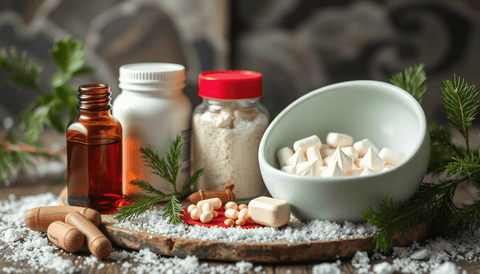
Migliori integratori per la prevenzione del raffreddore: aumenta subito l'immunità


Esplorare gli integratori per la prevenzione del raffreddore può aiutarti a confrontare le opzioni man mano che cambiano le stagioni. Questa pagina evidenzia gli integratori per la prevenzione del raffreddore, presentando scelte di esperti, ingredienti supportati dalla scienza e consigli pratici progettati per aiutarti a orientarti nel mercato. Troverai indicazioni sulla formulazione dei prodotti, su come gli ingredienti sono presentati sulle etichette e su come valutare la qualità tra diversi marchi. Gli ingredienti comuni che appaiono negli integratori per la prevenzione del raffreddore includono zinco, vitamina C, vitamina D, estratto di sambuco, echinacea e alcuni probiotici. Descriviamo questi ingredienti in termini della loro presenza sulle etichette dei prodotti e delle loro forme tipiche, senza affermare risultati specifici. La sezione dedicata alle scelte degli esperti mette in evidenza i prodotti che enfatizzano profili di ingredienti chiari, sourcing trasparente e rispetto degli standard di qualità. I consigli pratici per valutare gli integratori per la prevenzione del raffreddore includono il controllo di test da parte di terze, l'assicurarsi che pratiche di produzione come la conformità alle GMP siano seguite, la revisione dell'intera lista di ingredienti per evitare additivi indesiderati e la ricerca di informazioni chiare sulle dosi. Considera le tue esigenze personali e possibili interazioni con farmaci, e consulta un professionista sanitario se hai dubbi. Mantenere una lista di controllo semplice può aiutarti a valutare le opzioni in modo obiettivo. Per sfruttare al meglio questa pagina, confronta le scelte degli esperti affiancandole, revisiona i profili degli ingredienti e verifica i dettagli delle etichette prima di prendere una decisione. Forniamo anche indicazioni su come conservare in modo sicuro, la durata di conservazione e come gli aggiornamenti del prodotto potrebbero influire sulle formulazioni nel tempo. Se hai domande o considerazioni particolari, rivolgiti a un professionista sanitario per una consulenza personalizzata prima di iniziare qualsiasi regime di integratori.


Can Supplements Help Prevent Colds? Research-Backed Insights - Topvitamine
Sep 19, 2025
Gli integratori per prevenire il raffreddore non offrono una protezione garantita, ma alcuni nutrienti possono sostenere il normale funzionamento del sistema immunitario in caso di apporto insufficiente. La vitamina C, lo zinco, la vitamina D e i probiotici hanno evidenze diverse e non sono intercambiabili. Questa guida chiarisce cosa aspettarsi, come scegliere un prodotto e quali precauzioni considerare insieme a sonno, alimentazione e igiene delle mani.

What Are Cold Prevention Supplements?

Cold prevention supplements are a broad category of products formulated with vitamins, minerals, and botanical extracts intended to support the normal function of the immune system. They are not a cure or a guaranteed way to avoid illness, but rather a nutritional strategy that some people use to maintain their wellness during colder months. These products are designed to complement a healthy lifestyle, which includes a balanced diet, adequate sleep, and regular physical activity.

The appeal of these supplements lies in the idea of providing the body with the building blocks it may need to maintain a robust immune response. By ensuring adequate intake of key nutrients, the goal is to give the body what it needs to function at its best, especially when seasonal challenges arise.

Key Ingredients to Look For

Several nutrients have become staples in immune-support supplements. While individual needs vary, these are among the most commonly featured ingredients:

  • Vitamin C: An antioxidant known for its role in immune function and its presence in many fruits and vegetables. It is often included in formulations for its potential to support the body's natural defenses.
  • Vitamin D: A fat-soluble vitamin that is crucial for many bodily functions, including the immune system. Many people have low levels, especially during the winter, which is why it is a common supplement ingredient.
  • Zinc: A mineral that is essential for immune cell development and communication. It's a popular choice for those looking for a direct immune-support mineral.
  • Elderberry: A botanical extract rich in antioxidants that has been used traditionally for immune support. It is available in various forms, including syrups, gummies, and capsules.
  • Echinacea: An herbal remedy that has been studied for its potential effects on the immune system and is often used in supplements intended for seasonal support.

Probiotics are sometimes also included due to the significant link between gut health and immune function. When reviewing a product, it is helpful to look at the form and dose of each ingredient to understand what you are taking.

How to Evaluate Supplement Quality

Navigating the supplement aisle can be challenging. Here are some key factors to consider when comparing products:

  • Third-Party Testing: Look for products that have been independently verified for purity and potency, such as those with a USP or NSF seal.
  • Clear Labeling: Check for a 'Supplement Facts' panel that lists the exact amount of each ingredient. The label should be easy to read and understand.
  • Additional Ingredients: Be aware of any additives, fillers, or allergens like gluten, soy, or artificial colors. Your preference should guide your choice here.
  • Brand Transparency: Research the brand to see if they provide information about their sourcing and manufacturing processes. Companies that are transparent are often more trustworthy.

The Role of Lifestyle in Immune Health

While supplements can help bridge nutritional gaps, they are not a substitute for a healthy lifestyle. The pillars of a strong immune system are well-established:

  • Nutrition: A balanced diet rich in fruits, vegetables, and whole grains provides a natural array of vitamins and antioxidants.
  • Sleep: Adequate sleep is essential for the body to repair and regenerate, playing a direct role in immune function.
  • Stress Management: Chronic stress can suppress the immune system. Finding healthy ways to manage stress is important for overall health.
  • Exercise: Regular moderate exercise is known to boost immune function and improve overall circulation.

Supplements should complement these habits, not replace them. For those looking to support their immune health, a holistic approach that addresses nutrition, sleep, and stress is the most effective strategy.

Safety and Usage Considerations

It is important to approach supplements with a focus on safety. Before starting any new supplement, especially if you have pre-existing health conditions or are taking medication, it is wise to consult a healthcare professional. They can help you understand potential interactions and determine the right dosage for your individual needs.

Also, be mindful of the fact that 'more' is not always 'better'. Taking excessive amounts of certain vitamins and minerals can be harmful. Always follow the dosage on the label or the advice of your clinician. Look for products that adhere to good manufacturing practices (GMP) to ensure their quality and consistency.

How to Prevent a Cold When You Feel It Coming

A very common question is how to prevent a cold when you feel the first symptoms. While no supplement can act as a magic bullet, some people find that having a solid foundation of immune-supporting nutrients is helpful. If you feel a cold coming on, the first steps should be to ensure you are resting, staying hydrated, and eating nourishing foods.

In terms of supplements, the focus on ingredients like vitamin C and zinc is often centered on maintaining daily levels, rather than a 'mega-dose' approach. A consistent routine is generally more effective than a last-minute effort. The goal is to support your body's natural defenses so it is ready to respond effectively.

Understanding the broader landscape of supplements can help you make more informed decisions. For example, a multi-nutrient approach might be appealing to some. To learn more about a comprehensive approach, you can explore the multivitamins guide on our site.

For a focused look at a single nutrient, consider the benefits and sources of vitamin C, which plays a significant role in immune health. Understanding its benefits and how to choose a supplement can be a great starting point.

In addition to vitamins, minerals are crucial. Zinc is often highlighted for its role in immune support. For more insights, you can read about mineral supplements to gain a broader understanding of how it fits into the bigger picture.

Frequently Asked Questions

Can vitamin C stop a cold before it starts?

The scientific evidence on vitamin C is nuanced. While regular supplementation may not prevent a cold in the general population, studies have shown it might slightly reduce the duration and severity of symptoms. It is not a cure or a guaranteed preventative, but maintaining healthy vitamin C levels is important for overall immune function.

How to build immunity against colds?

Building immunity is a holistic process. It involves a balanced diet rich in nutrients, getting adequate sleep (7-9 hours for most adults), managing stress, and engaging in regular moderate exercise. Supplements can play a supporting role by addressing potential nutrient gaps. Giving your body what it needs to function optimally is the best way to support a strong immune system.

What supplements should I take if I'm always cold?

Feeling cold all the time can be related to several factors, including low iron levels or poor circulation. While a specific vitamin for 'warmth' doesn't exist, ensuring you have adequate levels of key nutrients like iron, vitamin B12, and vitamin D is a sensible first step. It is best to get a blood test to check for deficiencies rather than self-prescribing supplements. Always consult a doctor for persistent concerns.

How do you prevent a cold when you feel it coming?

When you feel the first signs of a cold, prioritize rest and hydration above all else. Your body needs energy to fight off pathogens. Continue your regular supplement routine but don't exceed the recommended dosage. Some research suggests zinc lozenges at the onset of symptoms may help reduce the duration of a cold when taken as directed. Always follow the label instructions.

Remember, these answers are for general informational purposes and are not a substitute for professional medical advice. If you have specific health concerns, please consult with a qualified healthcare provider.