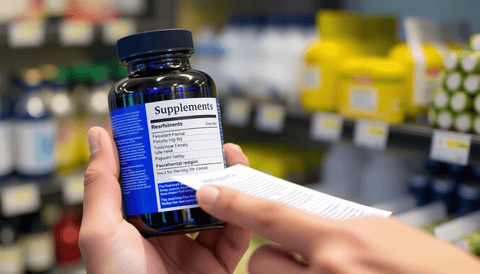
Valori giornalieri percentuali: Decifrare le etichette nutrizionali e fare scelte più intelligenti


Il valore percentuale quotidiano nelle etichette nutrizionali traduce le quantità di nutrienti in un punto di riferimento familiare. La %VQ (percentuale del valore quotidiano) comunica quanto di questo valore standard è fornito da una porzione per vari nutrienti. Le etichette fanno riferimento a un insieme di Valori Quotidiani che riflettono le indicazioni attuali, aiutandoti a interpretare i numeri senza dover conoscere esattamente gli importi di riferimento di ogni singolo nutriente. Capire come vengono calcolate le percentuali di valore quotidiano può rendere più semplice la lettura delle etichette. La %VQ si ottiene dividendo la quantità per porzione per il valore quotidiano del nutriente, moltiplicando poi per 100. Se un prodotto mostra il 25% di VQ per un determinato nutriente, questa porzione fornisce circa un quarto del valore quotidiano per quel nutriente. Alcuni nutrienti hanno valori quotidiani stabiliti, mentre altri potrebbero essere indicati con unità diverse o senza percentuale se sulla etichetta non è fissato un VQ. Quando si confrontano rapidamente i cibi, le percentuali di valore quotidiano possono essere un aiuto pratico. Scansiona la %VQ per i nutrienti di cui ti importa; un %VQ più alto per porzione indica una maggiore quantità di quel nutriente rispetto al valore quotidiano standard. Per i nutrienti che desideri limitare, come il sodio o gli zuccheri aggiunti, potrebbe essere preferibile un %VQ più basso, mentre per quelli di cui vuoi assumere di più, un %VQ più alto può essere utile. Ricorda che la %VQ dipende dalla dimensione della porzione, quindi i confronti dovrebbero essere fatti tra prodotti con quantità di porzione simili. Usare le percentuali di valore quotidiano come guida può supportare decisioni più rapide ed efficienti durante la spesa o la pianificazione. La %VQ fornisce un punto di riferimento coerente tra i diversi prodotti, permettendo giudizi più veloci ad occhio. Ricorda che i valori quotidiani sono linee guida generali e potrebbero essere aggiornati nel tempo, e alcune etichette potrebbero presentare la %VQ in modo diverso se allineata a uno standard di riferimento più recente.


How to Read Supplement Labels Like a Pro: A Simple Guide - Topvitamine
Aug 02, 2025
Capire come leggere le etichette degli integratori aiuta a confrontare prodotti e quantità in modo più consapevole. Questa guida spiega come interpretare la lista degli ingredienti, la dimensione della porzione, la percentuale del valore giornaliero o del VNR, gli eccipienti, gli allergeni, le date di scadenza e le indicazioni di conservazione. Include anche esempi pratici per calcolare le percentuali e una breve spiegazione della regola 4-4-9.
How to Read a Supplement Label: A Complete Guide for Topvitamine Buyers - Topvitamine
Jul 06, 2025
Capire come leggere l’etichetta di un integratore aiuta a confrontare prodotti e quantità in modo più consapevole. Questa guida spiega la differenza tra dose giornaliera, quantità per porzione e valori nutritivi di riferimento (VNR), chiarisce il significato delle percentuali e illustra cosa controllare tra ingredienti, allergeni, avvertenze, scadenza e lotto. Troverai anche indicazioni pratiche per scegliere senza confondere le informazioni nutrizionali con consigli medici personalizzati.

Daily Value (DV) percentages, displayed as %DV on nutrition labels, are designed to help you quickly understand the nutritional value of the foods you eat. Rather than requiring you to memorize how many milligrams of calcium or grams of fiber you need each day, the %DV translates the amount of a nutrient in a single serving into a percentage of a standard reference value. This guide explains what Daily Value percentages are, how to interpret them, and how you can use this information to compare products and make more informed decisions while shopping.

What Is Daily Value and %DV?

The Daily Value (DV) is a reference amount of a nutrient that has been established by health authorities, such as the U.S. Food and Drug Administration (FDA), to help consumers understand the nutritional significance of a serving of food. The %DV tells you what percentage of that established Daily Value is provided in one serving of the product. For instance, if a food label shows 25% DV for calcium, one serving of that food provides about 25% of the calcium considered a standard daily reference.

This system serves as a consistent yardstick across different products. Instead of trying to compare grams of fat or micrograms of vitamin D directly, which can be confusing, you can compare the %DV numbers. A product with a higher %DV for a nutrient provides more of that nutrient relative to the standard reference than a product with a lower %DV. Daily Values are general guidelines and are periodically updated by health agencies to reflect the latest scientific consensus.

How to Calculate and Find %DV

Finding the Daily Value percentage is straightforward because it is already printed on the nutrition facts label. Look for the "% Daily Value" column on the right side of the label, next to the amount of each nutrient in grams or milligrams. This number is the %DV for that nutrient based on a single serving.

You can also understand the underlying calculation. The formula is simple:

(%DV) = (Amount of nutrient per serving / Daily Value for that nutrient) x 100

While the label does the maths for you, understanding this formula can help clarify what the number represents. For example, if a product has 200 mg of calcium per serving and the Daily Value for calcium is 1,300 mg, then the %DV would be approximately 15%.

For a quick reference on what these values mean, remember that a %DV of 5% or less is considered low, and a %DV of 20% or more is considered high for a particular nutrient.

Practical Applications: What Does a Specific %DV Mean?

The %DV is most useful when you apply it to your dietary goals. Here are some practical examples to illustrate how to interpret these percentages:

  • A %DV of 10% or 30%: These values indicate that a serving provides a moderate to significant portion of your daily reference need for that nutrient. For a nutrient you want more of, like vitamin D, a 30% DV is a substantial contribution. For a nutrient you may want to limit, like sodium, 30% DV would represent a large portion of the recommended daily upper limit.
  • A %DV of 5% or less: This is considered a low amount of the nutrient per serving. This is often the target range for nutrients like saturated fat, sodium, and added sugars.
  • A %DV of 20% or more: This is considered a high amount of the nutrient per serving. This is a good target range for nutrients like dietary fiber, vitamins, and minerals that support overall health.

By using these benchmarks, you can scan labels efficiently and compare products. For example, when looking at two different breakfast cereals, you can quickly compare the %DV for fiber and added sugars to choose the one that better meets your needs.

General Guidelines for Daily Values

Daily Values are set for a range of nutrients, but they are based on an average adult reference. The exact numbers can vary, and some nutrients may not have an established Daily Value. When a DV has not been established, the label may not show a %DV for that nutrient. This is more common with certain trans fats, sugars, and protein, which have other label presentation rules.

It's helpful to be aware that Daily Values can be updated as new research emerges. The numbers you see on a label today represent the most recent update from the relevant health authority, which is why you may see a wider variety of vitamins (like vitamin D and potassium) on new labels compared to older ones.

How %DV Relates to Your Diet and Supplements

Daily Value percentages are a useful tool for building a balanced diet. They help you see how a food item fits into your daily nutritional needs. For instance, if you are aiming for a high-fiber diet, you can choose foods that collectively add up to 100% DV for fiber over the course of the day. Similarly, you can use %DV to monitor your intake of nutrients you prefer to limit.

When you are looking at supplements, you may also see %DV listed on the supplement facts panel. This indicates how much of a nutrient the supplement provides compared to the standard Daily Value. This can be useful for understanding the relative strength of a supplement. If you are considering supplements, it's generally recommended to first try to meet your nutritional needs through a balanced diet. For specific questions about your individual needs, it is always wise to speak with a healthcare professional.

To learn more about specific vitamins and minerals, you can explore our guides on Vitamin D, Magnesium, or Multivitamins for more in-depth information.

Exploring the Topic Further

Understanding Daily Value percentages is a foundational skill for anyone looking to make informed nutritional choices. This tag page serves as a starting point for exploring this topic. You'll find a collection of articles below that dive deeper into specific aspects, such as how to interpret %DV for particular nutrients, the science behind the reference values, and practical tips for label reading in different situations.

While the information here and in the associated articles is educational, it is not a substitute for professional medical advice. Always consult with a qualified healthcare provider or a registered dietitian for personalized dietary guidance.