
it Insufficienza nutrizionale si verifica quando le esigenze del corpo per nutrienti essenziali non sono soddisfatte dall'assunzione attuale o da altri fattori che influenzano come i nutrienti vengono utilizzati. Le cause possono includere un'assunzione irregolare o incompleta, barriere all'assorbimento, situazioni che aumentano i bisogni (come crescita, recupero o elevate richieste fisiche), e influenze derivanti da farmaci, condizioni di salute, stress o accesso alle risorse. Riconoscendo che l'insufficienza nutrizionale può derivare da molteplici vie, questo argomento invita a uno sguardo ampio e non giudicante su ciò che può accadere nella vita quotidiana. I segni di insufficienza nutrizionale possono manifestarsi come modelli nel funzionamento quotidiano piuttosto che come un'istantanea unica. Potresti notare cambiamenti persistenti nell'energia, nella concentrazione, nell'umore o nella resilienza durante le attività di routine. Poiché questi segnali possono sovrapporsi ad altri problemi, è utile osservare gli schemi nel tempo e discuterne con un professionista qualificato che possa interpretarli nel loro contesto e indicare i passaggi successivi responsabili. Per passare dalla consapevolezza all'azione, segui passaggi semplici e basati sulla scienza, che enfatizzano la valutazione, la pianificazione e l'adattamento continuo. Inizia con una valutazione professionale per identificare eventuali lacune, rivedi farmaci o condizioni che potrebbero influenzare i bisogni e esplora i fattori dello stile di vita. Successivamente, stabilisci obiettivi realistici e misurabili e implementa un piano graduale che dia priorità alla coerenza e ai controlli regolari. Anch'ando il tuo approccio in pratiche basate sull'evidenza e monitorando i progressi, puoi lavorare verso un percorso stabile e sostenibile che affronti l'insufficienza nutrizionale. Nel corso del processo, mantieni una mentalità curiosa e collaborativa con professionisti fidati e fonti affidabili. Documentare i modelli, riflettere onestamente su ciò che funziona e essere disposti a modificare le strategie nel tempo può aiutarti a rimanere sulla buona strada. Approcciando l'insufficienza nutrizionale con una valutazione attenta e passi ponderati e costanti, puoi perseguire un progresso significativo verso un miglioramento nel funzionamento quotidiano e nel benessere.
Insufficienza dietetica: cause, segni e semplici passi per ripristinare la tua salute nutrizionale
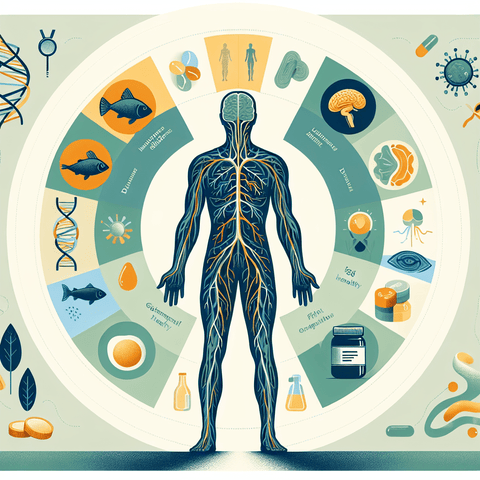

Dietary insufficiency is a broad term that describes a gap between the nutrients your body needs and the amount it actually receives or is able to use. This is not the same as a single, isolated deficiency; rather, it reflects a pattern where one or more essential vitamins, minerals, or other nutrients may be consistently under-supplied. This can happen for many reasons, from food choices and digestive issues to increased needs during certain life stages. Understanding this topic is the first step toward making informed decisions about your diet and overall well-being.
This guide provides a broad overview of dietary insufficiency. We will explore its common causes, the general signs that might indicate a problem, and the practical steps you can take to address it. We will also look at how to think about your nutrient intake and when it may be helpful to seek professional guidance.
What Is Dietary Insufficiency?
At its core, dietary insufficiency means your body isn't getting enough of the nutrients it needs to function optimally. This isn't always about eating too little food; it can also be about eating food that lacks nutritional density or about your body's inability to absorb the nutrients you consume. It's a state that can affect anyone, regardless of age or lifestyle, and it can be influenced by a complex mix of factors.
The concept is broader than a single vitamin or mineral deficiency. While a deficiency might refer to a severe lack of one specific nutrient, insufficiency can involve multiple nutrients at levels that are suboptimal for health. This is why it's often more useful to look at your overall dietary pattern and lifestyle rather than focusing on just one thing.
Common Causes of Dietary Insufficiency
There is rarely a single cause for dietary insufficiency. It's usually the result of several interacting factors. Understanding these can help you identify which areas of your life might be contributing to the problem.
Inadequate Dietary Intake
This is the most straightforward cause. It can stem from a diet that is heavily processed, low in fruits and vegetables, or lacking in variety. Skipping meals, following restrictive diets without proper planning, or simply not eating enough calories can all lead to insufficient nutrient intake.
Poor Absorption and Digestive Issues
Even if you eat a nutrient-rich diet, your body may not be able to absorb all the nutrients effectively. Conditions like celiac disease, Crohn's disease, or other digestive disorders can impair absorption. Age can also play a role, as stomach acid production and nutrient absorption can decrease over time.
Increased Nutrient Needs
Certain life stages and situations increase your body's demand for nutrients. For example, growth spurts in children and teenagers, pregnancy and lactation, recovery from illness or injury, and intense athletic training all require higher intakes of specific vitamins and minerals. If your diet doesn't adjust to meet these increased needs, insufficiency can develop.
Lifestyle and Other Factors
Certain medications can deplete nutrients or interfere with their absorption. Chronic stress, high alcohol consumption, and smoking can also negatively impact your nutritional status. Additionally, limited access to fresh, affordable food can make it challenging to maintain a balanced diet.
Recognizing the Signs of Poor Nutrition
The signs of dietary insufficiency can be subtle and are often mistaken for other issues. They tend to develop gradually and can affect many different parts of your body. It's important to remember that these signs are not a diagnosis, but rather clues that something might be off.
Some common signs that may indicate a problem include:
- Persistent fatigue or low energy levels
- Difficulty concentrating or brain fog
- Mood changes, such as increased irritability or low mood
- Hair loss or brittle nails
- Poor wound healing or frequent infections
- Muscle weakness or cramps
Because these symptoms can overlap with many other health conditions, it's crucial to observe patterns over time. If you are consistently experiencing any of these signs, it is a good reason to discuss your concerns with a healthcare professional.
How to Tell If You Have a Nutritional Deficiency
If you suspect you might have a nutritional deficiency, the most reliable way to find out is to seek professional evaluation. Self-diagnosing based on internet searches is often inaccurate and can lead to unnecessary worry or inappropriate supplementation.
A doctor can perform blood tests to check levels of specific vitamins and minerals. They will also consider your medical history, current medications, and lifestyle to get a complete picture. This is the safest and most effective way to identify any insufficiencies and determine the right course of action.
How to Fix a Nutritional Deficiency
Addressing dietary insufficiency is a process that should be approached with care and consistency. The goal is not a quick fix, but a sustainable change in your habits. Here are the general steps you can take to move forward.
Step 1: Get a Professional Evaluation
Before making any significant changes, especially if you are considering supplements, it is essential to talk to a doctor or a registered dietitian. They can help you identify the specific gaps in your diet and rule out any underlying medical conditions.
Step 2: Focus on a Nutrient-Dense Diet
The foundation of fixing a deficiency is to improve your diet. This means prioritizing whole, unprocessed foods like fruits, vegetables, lean proteins, whole grains, and healthy fats. Aim for a variety of colors on your plate to ensure you're getting a wide range of vitamins and minerals.
Step 3: Consider Supplements Wisely
In some cases, diet alone may not be enough to correct a deficiency, especially if it is severe or if you have absorption issues. In these situations, supplements can be helpful. However, they should be used to complement a healthy diet, not replace it. It's important to choose high-quality supplements and to follow the recommended dosage. You can explore various supplement categories to understand your options, such as multivitamins or specific mineral supplements.
Step 4: Monitor Your Progress and Adjust
Correcting a nutritional deficiency takes time. It's important to be patient and consistent with your new eating and supplement habits. Regular check-ins with your healthcare provider can help you monitor your progress and make any necessary adjustments to your plan.
Common Nutritional Deficiency Diseases
While dietary insufficiency is a general state, severe and prolonged deficiencies can lead to specific diseases. These are less common in developed countries but are important to be aware of. They illustrate the critical role that vitamins and minerals play in our health.
- Scurvy (Vitamin C deficiency)
- Rickets (Vitamin D deficiency)
- Beriberi (Vitamin B1 deficiency)
- Pellagra (Niacin/B3 deficiency)
- Anemia (Iron or B12 deficiency)
These conditions are serious and require medical treatment. The best way to prevent them is to maintain a balanced diet and address any potential insufficiencies early on.
Exploring the Topic Further
Dietary insufficiency is a complex topic with many facets. This guide has provided a broad overview of its causes, signs, and solutions. To learn more about specific nutrients and how they support your health, you can explore our detailed guides on Vitamin D, B vitamins, and other essential nutrients. Remember, the information here is for educational purposes and should not replace personalized advice from a qualified healthcare professional.