
Vitamin D Liquid Drops are part of the dietary vitamin D liquids category, offering a quick and easy daily option in liquid form. They are fast-absorbing and convenient drops designed for straightforward use, helping you fit a routine into your day. Each bottle includes a dropper for precise dosing, and the clear liquid is simple to integrate into your daily activities—whether used at home or on the go. The flexible format supports easy, no-fuss administration as part of your everyday regimen. Designed with practical use in mind, these dietary vitamin D liquids come in a compact bottle that travels well and stores neatly. With a reliable dropper for consistent measurement, they offer a streamlined option for adding liquid vitamin D to your day. Learn more and order today. **Translated into "it":** Le Gocce di Vitamina D liquide fanno parte della categoria di liquidi di vitamina D alimentari, offrendo un'opzione quotidiana rapida e facile in forma liquida. Sono gocce a rapido assorbimento e pratiche, progettate per un uso semplice, aiutandoti a inserire una routine nel tuo giorno. Ogni bottiglia include un contagocce per una dose precisa, e il liquido trasparente è facile da integrare nelle tue attività quotidiane—sia a casa che in movimento. Il formato flessibile supporta un'assunzione facile e senza complicazioni come parte della tua routine quotidiana. Progettate pensando alla praticità d'uso, queste vitamine D liquide alimentari sono contenute in una bottiglia compatta che si trasporta facilmente e si conserva ordinatamente. Con un contagocce affidabile per una misurazione costante, offrono un'opzione semplificata per aggiungere vitamina D liquida al tuo giorno. Scopri di più e ordina oggi.
Vitamina D Gocce Liquide: Impulso Quotidiano Rapido e Facile alla Dieta
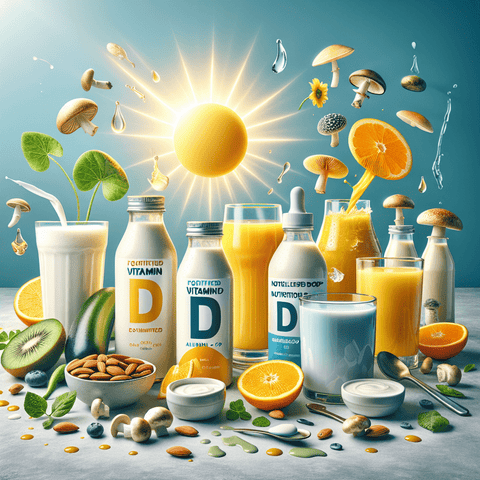
Dietary vitamin D liquids cover a range of vitamin D supplements supplied in liquid form, often as drops measured with a dropper. This format is chosen by people who prefer not to swallow capsules or tablets, who want flexible dosing, or who simply find liquids easier to use as part of a daily routine. Liquid vitamin D products can differ in the form of vitamin D they contain, the amount per drop or serving, and the other ingredients included. This page provides a broad overview of the topic, including what liquid vitamin D is, why it is used, how it compares with other formats, and what to consider when exploring options.
What Is Liquid Vitamin D?
Liquid vitamin D is a dietary supplement format in which vitamin D is dissolved or suspended in a liquid carrier. It is typically packaged in a small bottle with a dropper, allowing users to measure a specific number of drops or millilitres. The vitamin D used may be vitamin D2 (ergocalciferol) or vitamin D3 (cholecalciferol), the two main forms found in supplements. The concentration of vitamin D per drop or per millilitre varies between products, so the label is the primary reference for understanding how much a given product provides.
Liquid vitamin D is one of several supplement formats, alongside capsules, tablets, softgels and sprays. The liquid format is often chosen for its flexibility, as the dropper allows for measured dosing that can be adjusted more easily than fixed-dose tablets. Some liquids are unflavoured, while others may include flavourings, sweeteners or carrier oils such as olive oil or MCT oil.
Why Vitamin D Matters
Vitamin D is a nutrient that contributes to the maintenance of normal bones, teeth, muscle function and immune system function. These roles are recognised in authorised EU health claims for vitamin D. The nutrient can be obtained from dietary sources such as oily fish, egg yolks and fortified foods, and it is also produced in the skin in response to sunlight exposure. Because intake from food and sunlight can vary, some people choose to use vitamin D supplements to support their intake.
The amount of vitamin D an individual may need depends on a range of factors, including age, diet, lifestyle, skin tone, geographic location and season. Official recommendations vary between countries. For personalised guidance on vitamin D intake, it is sensible to consult a qualified healthcare professional. General information about vitamin D, its dietary sources and safety considerations can be found in the vitamin D benefits, sources and safety category.
Liquid Vitamin D vs. Other Supplement Formats
Liquid vitamin D drops are one option among several supplement formats. Each format has practical differences that may influence personal preference.
- Liquid drops: Measured with a dropper, often taken directly or added to a drink. Flexible dosing; compact and portable.
- Capsules and softgels: Fixed-dose units that are swallowed whole. Convenient for those who prefer not to measure liquids.
- Tablets: Compressed solid forms, sometimes chewable. Fixed-dose and easy to store.
- Sprays: Delivered via a pump or spray mechanism, often into the mouth. Also a liquid-based format.
The choice between these formats is largely a matter of personal preference, routine and the advice of a healthcare professional where relevant. Liquid vitamin D may be particularly appealing for those who have difficulty swallowing pills or who want to adjust the number of drops they take.
Common Ingredients in Liquid Vitamin D Products
Beyond vitamin D itself, liquid vitamin D products typically contain a carrier liquid and may include other ingredients. Reading the label helps clarify what is in a given product.
- Vitamin D form: Vitamin D3 (cholecalciferol) or vitamin D2 (ergocalciferol).
- Carrier oil or liquid: Such as olive oil, MCT oil, sunflower oil or glycerin.
- Flavourings or sweeteners: Some products are unflavoured; others may include natural flavourings or sweeteners.
- Preservatives or antioxidants: Sometimes added to maintain freshness, depending on the formulation.
The concentration of vitamin D per drop or per millilitre is a key detail. Some products provide a certain number of international units (IU) per drop, while others state the amount per millilitre or per recommended serving. The dropper supplied with the product is usually designed to help measure the intended amount.
How to Use Liquid Vitamin D Drops
Liquid vitamin D drops are typically taken directly into the mouth or added to a drink or food. The exact method depends on the product and personal preference. The following general steps apply to many liquid vitamin D products, but the product label should always be followed.
- Read the label to confirm the recommended amount and how it is measured.
- Shake the bottle if the label instructs you to do so.
- Use the supplied dropper to measure the desired number of drops or millilitres.
- Take the liquid directly or add it to a drink or food, as appropriate for the product.
- Store the product according to the label instructions, which may include refrigeration after opening.
If you are unsure about how much vitamin D to take, or if you are taking other supplements or medications, it is advisable to seek guidance from a qualified healthcare professional. This is particularly important if you have a medical condition or are pregnant or breastfeeding.
Practical Considerations and Safety
As with any supplement, there are practical and safety considerations to keep in mind when using liquid vitamin D.
- Dosage: Follow the product label or advice from a healthcare professional. Vitamin D is fat-soluble, and excessive intake over time can be harmful.
- Interactions: Vitamin D supplements may interact with certain medications. If you take prescription medicines, check with a healthcare professional before adding a supplement.
- Storage: Some liquid vitamin D products require cool, dark storage or refrigeration. Always check the label.
- Shelf life: Note the expiry date and discard the product if it is past its use-by date.
- Children: Liquid vitamin D may be used for children in some cases, but the amount and suitability should be confirmed by a healthcare professional.
This information is general and not a substitute for personalised medical advice. If you have specific concerns about your vitamin D intake or health, consult a qualified healthcare professional.
Exploring Vitamin D and Related Nutrients
Vitamin D works alongside other nutrients in the body. Calcium and magnesium, for example, are minerals that also contribute to normal bone health, and vitamin K plays a role in bone and blood health. If you are interested in the broader context of vitamin D within nutrition, you may wish to explore related categories on our site.
For those looking at vitamin D alongside other fat-soluble vitamins, the vitamin K benefits, bone and blood health category provides an overview of vitamin K. Additionally, our calcium benefits for bone and muscle health category covers calcium, another nutrient often considered alongside vitamin D.
These categories are provided for general educational context and do not imply that any combination of supplements is necessary or appropriate for everyone. Dietary choices and supplement needs are individual.
Frequently Asked Questions About Liquid Vitamin D
What is the best liquid form of vitamin D?
There is no single “best” liquid form, as suitability depends on individual factors such as the form of vitamin D used (D2 or D3), the concentration per drop, the carrier liquid, and any added ingredients. Some people prefer unflavoured drops, while others may prefer a flavoured product. The most appropriate choice is best discussed with a healthcare professional if you are unsure.
Can I take liquid vitamin D with other medications?
Vitamin D supplements may interact with certain medications, including some heart medications, steroids and weight-loss drugs. If you take prescription medication, it is important to speak with a healthcare professional before adding a vitamin D supplement.
How much liquid vitamin D should I take?
The appropriate amount depends on your age, diet, lifestyle, health status and any advice from a healthcare professional. Follow the product label or the guidance provided by your healthcare professional. Do not exceed the recommended amount unless advised to do so by a qualified professional.