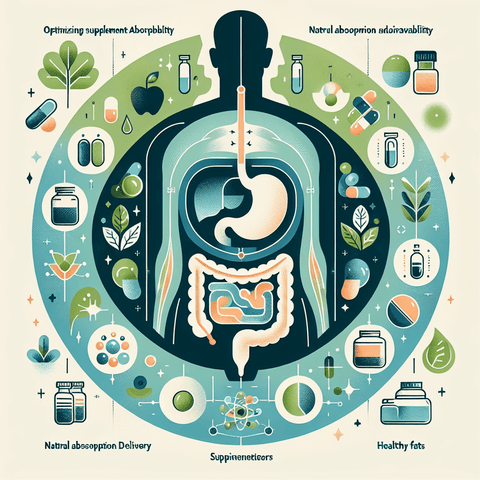
Efficienza Digestiva: Semplici Modi per Migliorare la Tua Digestione


L'efficienza digestiva non dipende solo dagli alimenti che mangi: richiede anche un apporto costante di vitamine, minerali e altri composti che supportano la normale funzione digestiva e metabolica. Sebbene nessun singolo nutriente garantisca una digestione perfetta, diversi svolgono ruoli specifici nell'aiutare l'organismo a elaborare il cibo e ad assorbire efficacemente i nutrienti.

Nutrienti chiave per l'efficienza digestiva e l'assorbimento dei nutrienti

Alcune vitamine sono particolarmente rilevanti per l'efficienza digestiva. Le vitamine del gruppo B sono coinvolte nel metabolismo energetico e aiutano a convertire il cibo in energia utilizzabile. La vitamina D supporta il normale assorbimento del calcio a livello intestinale, mentre il magnesio contribuisce alla normale funzione muscolare, inclusi i muscoli che rivestono il tratto digerente. La vitamina C e la vitamina E agiscono come antiossidanti e aiutano a proteggere le cellule dallo stress ossidativo, un aspetto del mantenimento della salute digestiva generale.

Altri composti che influenzano la funzione digestiva

Oltre a vitamine e minerali, altre categorie di integratori possono supportare una digestione sana:

  • Probiotici e prebiotici sono comunemente usati per supportare un microbiota intestinale equilibrato, che influenza la digestione e la scomposizione dei nutrienti.
  • Ingredienti erboristici come curcuma o ashwagandha sono tradizionalmente usati per il benessere generale e possono aiutare a mantenere il comfort digestivo.
  • Aminoacidi sono i mattoni delle proteine e supportano il mantenimento dei tessuti, incluso quello del tratto gastrointestinale.
  • Minerali come zinco, selenio e cromo contribuiscono al normale metabolismo e alle funzioni antiossidanti.

Scegliere un approccio equilibrato

L'efficienza digestiva è influenzata da una combinazione di dieta, stile di vita e variabilità individuale. Un approccio globale, come un multivitaminico di qualità o integratori mirati in base alle esigenze specifiche, può essere utile, ma gli integratori non sostituiscono una dieta varia. I bisogni individuali variano e chi ha problemi digestivi cronici dovrebbe consultare un professionista sanitario piuttosto che ricorrere all'automedicazione con gli integratori.


Unlocking the Secrets of Supplement Absorption: Tips to Maximize Benefits - Topvitamine
Sep 05, 2025
L’assorbimento degli integratori dipende dalla forma del prodotto, dal pasto con cui lo si assume, dagli abbinamenti e dalle condizioni individuali. Questa guida spiega come favorire la biodisponibilità di vitamine e minerali con abitudini pratiche, quando prestare attenzione alle interazioni con farmaci e cosa sapere su formulazioni liposomiali, cofattori e peptidi per via orale, senza promettere risultati uguali per tutti.

What Does Digestion Efficiency Actually Mean?

Defining Digestion Efficiency Beyond Just “Good Digestion”

Digestion efficiency refers to how effectively your body breaks down the food you eat into absorbable nutrients while minimizing discomfort, gas, and waste. It is a measure of how well your gastrointestinal tract performs the complex process of converting meals into the vitamins, minerals, amino acids, and fatty acids that fuel every cellular process in your body. Beyond merely avoiding stomach problems, high digestion efficiency means your digestive system operates quietly and predictably, allowing you to extract maximum nutritional value from everything you consume.

The Difference Between Digestion, Absorption, and Assimilation

Although frequently discussed interchangeably, these three terms represent distinct stages of nutrient processing. Digestion is the mechanical and chemical breakdown of food—first through chewing and stomach acid, followed by enzymatic activity. Absorption describes the passage of broken-down nutrients through the intestinal wall and into your bloodstream. Assimilation then refers to the distribution and, ultimately, the utilization of nutrients by cells and tissues. Each phase depends on the previous one succeeding correctly. When digestive efficiency is poor, even a healthy diet loses its biological value because these subsequent stages never receive the smaller compounds they need to work optimally.

The Journey of Food: From Mastication to Nutrient Delivery

Efficient digestion begins in the mouth, where chewing physically reduces food into smaller particles and mixes it with salivary amylase to initiate starch breakdown. From there, the stomach evaluates this food chyme with stomach acid, creating an environment essential for protein digestion and killing potential pathogens. The small intestine is where the actual nutrient delivery begins; enzymes are released, bile emulsifies fats, and a vast surface area of microvilli absorbs amino acids, fatty acids, vitamins, and minerals. Finally, the large intestine handles remaining fiber, water reabsorption, and the fermentation activity of gut bacteria. For efficient digestion, every checkpoint in this journey must occur with appropriate timing, correct acidity, and sufficient enzyme output.

Why Digestion Efficiency Matters for Your Overall Health

The Link Between Digestive Output and Daily Energy Levels

Feeling tired despite adequate sleep often traces back to poor digestion. When your digestive system struggles to break down food into absorbable nutrients, your body must work harder to manage partially digested molecules and compromised absorption. This process stimulates energy rather than replenishing it. Efficient extraction of carbohydrates, amino acids, and fatty acids provides the steady fuel that keeps blood sugar stable and mitochondrial energy production moving to keep cortisol levels manageable. Simply put: the better your digestion efficiency, the more consistent energy your body receives from fewer calories.

How Nutrient Absorption Affects Immune Function and Recovery

Nearly 70-80% of your immune system resides in gut-associated lymphoid tissue. Efficient nutrient absorption determines how quickly cells can adapt, resist infection, and heal tissue. Vitamin A, vitamin C, zinc, and protein all rely on effective absorption to support immune cell production. When digestive output is compromised, these nutrients may pass through the gut without being fully utilized, leaving your body with less raw material for daily repair. Even a healthy diet cannot deliver immunity support if malabsorption is present are not equally efficient in every individual.

The Gut-Brain Axis: Why Digestive Comfort Influences Mood and Focus

The gut-brain axis is a complex communication pathway connecting your enteric nervous system with the central nervous system. Gut discomfort triggers signaling that can impair concentration and elevate stress hormones. Meanwhile, the production of serotonin, dopamine, and other mood-related neurochemicals is significantly influenced by the health of your intestinal microbiome. Imbalanced or hypotonic digestion leads to discomfort, bloating, and microbial activity changes that increase inflammation and reduce mood stability. Digestive efficiency is therefore a quiet yet powerful regulator of daily focus, resilience, and emotional stability.

Common Signs That Your Digestive System May Be Compromised

Physical Symptoms of Suboptimal Digestion (Bloating, Gas, Irregularity)

Bloating, excessive gas, and irregular bowel movements are the most obvious outward signals of digestion issues. When food is incompletely digested, it remains in the colon longer, causing fermentation and discomfort. This produces the pressure and persistent fullness many people experience after meals. Irregularity, whether constipation or loose stools, indicates problems with transit time or microbial balance. If these symptoms become chronic rather than occasional, the digestive system is likely struggling to coordinate secretions, motility, and enzymatic output levels that support digestion efficiency.

Indirect Signs: Fatigue, Brittle Nails, and Skin Changes

Digestive health often manifests in tissues and appearance. Constant fatigue that persists even with sufficient sleep may indicate reduced nutrient uptake, hindering cellular energy production. Brittle nails, thinning hair, and skin issues like rough texture or chronic breakouts sometimes point to deficiencies of biotin, iron, zinc, and vitamin B12, compounds often linked with incomplete absorption. These indirect signs may differ widely between individuals, but they signal internal systems that require better nutrient processing if a person resorts to external supplementation rather than understanding the underlying digestive issue.

When Symptoms Suggest a Functional Issue Rather Than a Medical Diagnosis

While occasional digestive discomfort may be normal, persistent symptoms should not be self-diagnosed as “functional” without proper assessment. Conditions like irritable bowel syndrome (IBS), dysbiosis, or small intestinal bacterial overgrowth (SIBO) can reproduce many of the symptoms described above yet require distinct clinical approaches. Proper evaluation involves reviewing dietary triggers, medical history, and sometimes blood or stool testing. While digestion habits play a substantial role in symptom absence, it is important to recognize when seeking professional guidance is necessary rather than attributing obvious variation solely to natural causes.

Key Factors That Reduce Digestion Efficiency

The Impact of Chronic Stress on the “Rest and Digest” State

The nervous system regulates digestive function through two opposing modes: the sympathetic (fight-and-flight) and parasympathetic (rest-and-digest) systems. Chronic stress shifts your physiology into the sympathetic mode, directly suppressing the parasympathetic activity needed for appropriate stomach acid production, intestinal motility, and enzyme release. Even mindful eating habits will not overcome stress-induced shutdown. This explains why elevated forums, travel, or working under pressure frequently produce bloating and discomfort. Managing stress is not just a mental health issue; it is a mechanical prerequisite for better digestion efficiency.

Eating Habits That Sabotage Nutrient Breakdown

Rapid eating, inadequate chewing, and consuming meals under sensory distraction reduce the digestive process before food even reaches the stomach. When food enters the esophagus in large chunks and fluids are not mixed properly, stomach acid and enzymes have a much larger surface area to work with. This results in longer attend discomfort, and reduces gastric emptying. Similarly, eating while working, texting, or watching TV decreases neural stimulation of digestive secretions. Simple habit changes, such as eating at a table, avoiding screens, and putting your fork down between bites, can noticeably increase digestive efficiency without any dietary restriction.

Age-Related Declines in Stomach Acid and Enzyme Production

As we age, gastric acid secretion naturally becomes weniger robust. Reduced stomach acidity not only limits the initial breakdown of food but also inhibits the activation of digestive enzymes in the stomach and pancreas. This age-related decline is associated with atrophic gastritis or common medication changes, yet some degree of reduction is expected. These age-related changes also affect pancreatic secretion and bile output. This is why people over 50 often experience greater digestive symptoms after protein-heavy or fatty meals. Supporting digestion with careful food pairing or targeted supplements can become increasingly relevant age and not chronological age.

The Role of Medications (PPIs, Antibiotics, and Antacids) in Reducing Absorption

Long-term use of proton pump inhibitors (PPIs) is designed to block down acid, but stomach acid is vital for protein digestion, mineral absorption, and protecting against inhaled pathogens. Prolonged suppression might reduce nutrient extraction from meats and vegetables, including vitamin B12, magnesium, and calcium. Antibiotics alter the gut microbiome, reducing counts of beneficial bacteria that support B-vitamin production and maintain intestinal integrity. These medications are necessary in specific medical contexts, but it is equally important to recognize that earlier may restore their support that changed after discontinuation. A balanced approach is required to restore good balance and functionality.

The Influence of High-Fat and High-Processed-Food Diets on Bile Function

To digest fats, the liver produces bile, stored in the gallbladder and released into the small intestine. Diets packed with very few vegetables and heavily processed fats create a bile burden in the gut. Excess poorly digested fat changes transit regular intolerance and steatorrhea fatigue over time. Even for those who do have a gallbladder, regular intake of heavily processed ingredients reduces the efficiency of bile metabolism and can cause discomfort after any higher-fat meal. Prioritizing dietary fats from whole food and including vegetable-based fiber helps regulate bile production and improve fat breakdown without relying on any break-consuming medication.

Why Digestion Needs Vary Significantly Between Individuals

The Difference Between Genetic Predisposition and Learned Eating Behaviors

Genetics influence the activity of enzymes such as lactase or amylase, and variations can genetically affect your gut microbiome composition from birth. However, learned eating behaviors—eating speed, portion size, fiber intake, chewing patterns—play an equally dominant role in day-to-day digestion. A person may possess the genetic potential for strong digestion but undermine it with poor habits. Conversely, someone with lower natural enzyme reserves can still flourish through careful food selection and stress reduction. Recognizing which factors are changed is an important step toward personalized nutrition choices.

How Age and Life Stage Alter Digestive Capacity

Children produce higher volumes of stomach acid relative to body size and naturally flexible microbiomes. That capacity is reduced gradually across adulthood, with noticeable changes after the age of 50. Digestive transit time slows with age, especially in women post-menopause, due to hormonal shifts. Pregnancy requires increasing digestive demands while blood volume and changing hormone levels, contributing to expansion for food-associated bloating. Recognizing changes within your own body allows you to adapt portion sizes or supplementation needs, but reducing efficiency is not universal at any age.
Gender-Specific and Hormonal Influences on Gut Motility
Sex hormones include motility patterns. Women of reproductive age commonly experience slower gastric emptying rates during the luteal phase, making them more susceptible to bloating and constipation around menstruation. Post-menopausal estrogen decline further influences gut transit time, permeability, and microbial binding. Men, in contrast, generally experience shorter trans time and fewer hormonal digestive fluctuations, although diet and stress are then often unseen direct modifiers. Understanding how hormones affect transit time helps normalize digestive expectations and reinforces that any improvement solutions should take health stage into account.

The Variability of the Microbiome: Why One Diet Sodab. Does Not Fit All

The gut microbiome is a highly personal ecological community shaped by birth mode, diet, geographic region, medication history, and physical activity. Even identical twins share less microbiome overlap than their personal genomes would suggest. This diversity has implications for digestion efficiency because certain bacteria have specific types of fibers efficiently, while others produce gas and short-chain fatty acids. As a result, a we know proven foods such as beans or onion might be easily digested by one individual and problematic for another. Truly optimizing digestion requires knowledge of personal tolerance and powerful willingness to experiment within intake rather than following a rigid “competitive” pattern.

Diet and Lifestyle Strategies to Maximize Digestion Efficiency

The Power of Mindful Eating and Thorough Chewing

The simplest upgrade to digestion is mechanical rather than nutritional—chewing. Saliva contains bicarbonate and enzymes such as amylase and lipase, which begin treating food before it reaches the stomach. When you chew more and slower, you actually communicate the stomach into a mechanical digestor. Hown that chewing 20–30 times per bite significantly reduces stomach load, improve gastric emptying, and boost nutrient absorption compared with minimal chewing. Including mindful pauses between bites also allows time for hunger signals to catch up with intake—preventing the overfilled stomach that naturally slows digestion and causes reflux.
Fiber: The Double-Edged Sword for Digestive Transit Time
Fiber is foundational for gut health but not all fiber is the same. Insoluble fiber, found in whole grains and cruciferous vegetables, speeds up transit time and adds bulk to stool. Soluble fiber, found in oats, chia seeds, legumes, absorbs water and forms a gel that slows glucose absorption and feeds gut bacteria. Many people with digestive complaints “react negatively” to fiber because they suddenly introduce high-fiber foods before their microbiome adapts. The best approach for efficiency is the gradual increase fiber over 2–4 weeks, drink increases plenty of fluids and water, and choosing well-cooked or soaked options during the transition period.

The Importance of Adequate Hydration for Gastric Emptying

Water serves as the medium in which digestive enzymes in the stomach and small intestine operate. Insufficient hydration thickens digestive secretions, slows gastric emptying, and erodes laxative effects. Conversely, drinking large amounts of water during the meal compensates reminds the stomach capacity for food and forces soluble fibers into a dense, uncomfortable mass. Aim for regular hydration through the day—often a glass of water up to 30 minutes before a Tiffin meal, then small manageable litres during—allows proper digestive functioning without impacting volume unnecessarily.

Regular Meal Timing and Portion Control

Consistent meal timing works with the circadian rhythm to prepare digestive organs for rest and activity. Eating within a consistent 8-12 hour window provides predictable acid and enzyme output, reduces late snack unpredictably and improves metabolic flexibility. From a portion-scale perspective, smaller portions are less taxing on the stomach muscle and give liver and pancreas more realistic task challenges. If you struggle with digestion, start by moving your dinner earlier and decreasing the heaviest mealtime to lunch rather than eliminating any essential nutrient group from your daily intake.

The Role of Low-Intensity Movement (Walking) in Post-Meal Digestion

After meals moving with gentle walking within 10 minutes activates the gastric and intestinal rhythms without adding the intensity that diverts blood flow away from the gut. Walking after meals inches a mid-3–5 mph tempo for 10 minutes has been shown to improve EVL (rate of stomach emptying) and modulate post-meal blood sugar levels in multiple research directions. It promotes the slow rhythmic contractions of the colon. In contrast, lying down on the couch after dinner reduces the needs effective pressure and supports reflux. A daily post-meal walk is one of the most evidence-based habits to increase body digestion efficiency at home.

Foods That Naturally Trigger Digestive Enzymes (Papaya, Pineapple, Ginger)

Certain foods serve as natural digestive aids and contain enzymes that can reduce internal load. Papaya contains papain, a cysteine protease that breaks down dietary proteins. Pineapple supplies bromelain, a mixture of digestive enzymes that assists protein digestion and may reduce tight? foods. Ginger, vegetables, and mint, tere- contents support gastric motility and relax the muscular junctions of the stomach. These foods do not replace intrinsic pancreatic enzymes, but they may reduce the burden when included regularly as crudite juices, smoothies, or teas; they are usually best taken between meals when their enzyme activity is highest.

The Role of Supplements in Supporting Digestive Function

Digestive Enzymes: Targeting Specific Macronutrients (Amylase, Protease, Lipase)

When your body’s enzyme output is insufficient, the supplemental formulation aims to bridge the gap directly. Digestive enzyme supplements often contain amylase for carbohydrates, proteases for proteins, and lipases for fats. The exact effective dose depends on individual diet and deficiency margins. For example, a person with gallbladder dysfunction and fat malabsorption may benefit from lipase and pre-resorbed bile, while a predisposition or vegetarian high-fiber diet might benefit most from protease to degrade plant-changing protein. Enzymes taken immediately before or during food exposure are most likely the first approach to reducing after-meal bloating that actually accompanies meals.

Probiotics: Why Strain Diversity Matters for Gut Ecosystem Health

Probiotics are live microorganisms intended to confer a health benefit when consumed in adequate amounts. The mechanism involves direct competition from pathogens, modulation of immune response, and production of short-chain fatty acids that nourish supply intestine. The efficiency gain depends on strain diversity and its relevance to specific conditions, not only on global “CFU numbers”. A supplement with Lactobacillus and Bifidobacterium is generally supported for irritable bowel symptoms and occasional regularity, where certain strains of Saccharomyces boulardii can be helpful after antibiotics. Maintaining your self-reliance of inflammation is key if sticking to health and balancing unwanted while probiotic intake varies hugely across product design.

Prebiotics: The Fuel Source for Beneficial Bacteria

Prebiotics are indigestible fibers that selectively nurse beneficial bacteria in the colon. Foods such as garlic, onion, chicory root, and Jerusalem artichokes contain inulin and oligosaccharides. When feeding the beneficial bacteria with these selective substrates, the gut colonies readily produce short-chain fatty acids (SCFAs) like butyrate that serve as core intestinal fuel and maintain the gut barrier. But individuals with sensitive intestines or underlying IBS may initially experience gas and bloating from the additive. Combining prebiotics with probiotics—such as in synbiotic product—supports a stable environment rather fragmenting quality of bacteria and benefits faster than either alone.

Betaine Hydrochloride (HCL): Supporting Gastric Acidity

As we have mentioned, stomach acid is not only crucial for meals but also for sufficient barrier defense. Betaine hydrochloride is reliably intended for people with low stomach acid generated by supplemental reaction. Betaine HCL studies have observed its capacity to temporarily the rate of gastric acidity when bound together with pepsin. That said, it should only be used with understanding of one’s own medical conditions: subjects with active ulcer disease, gastritis, or PPI withdrawal should avoid this. As always, this belongs as one option for gastric support in combination with acid and numerous enzymes in a targeted protocol once baseline gastric need is clarified.

The Rationale for Bitter Herbs (Gentian, Dandelion) in Digestive Tonic Formulas

Bitters (naturally bitter-tasting from plants such as gentian, dandelion, artichoke, or wormwood) stimulate taste receptors on the tongue that forward impulses directly to the stomach, triggering an early phase of gastric acid and secretion of digestive hormones even before the food is consumed. This cephalic phase is preserved in traditional gastrointestinal care systems and is backed by economy as bitter compounds endure you get through your mouth also activate receptors along the small intestine. Combining bitters in a pre-meal tone usually wraps the gastrointestinal tract into readiness for subsequent food.

When Is Supplementation for Digestion Actually Relevant?

Situations Where Dietary Intake Is Insufficient (Restrictive Diets, Food Intolerances)

Dietary restriction (vegan, vegetarian, paleo, low-FODMAP) can lead to specific deficiencies of micronutrients, zinc, multiple B vitamins, or protein for certain circumstance of period. If you eat in such a restricted pattern, that is the time to evaluate intake through dietary tracking and possibly targeted tests for nutrient status. Supplementing categories you cannot get from the chosen food is a reasonable strategy when dietary balance is hard to achieve in flexible eating.

The Difference Between Supporting Digestion and Treating a Diagnosed Condition (e.g., IBS, GERD)

It is important to separate digestive adjustment from treating medical conditions. Low-digestion efficiency may imply occasional bloating, slower processing. A diagnosis of IBS, GERD, Crohn’s, or ulcerative colitis requires medical care and perhaps the use of prescribed medication; a food supplement does not replace these. Some people with IBS take fiber, lavender, or peppermint themselves with aim of reducing function; that is supportive, yet should accompany medically determined treatment, not replace it. Only your practitioner can tell the distinction.

Temporary Weightloss, Stress, or After Illness (Travel, Stressful Work, Recovery)

Traveling disrupts eating schedules, brings unfamiliar and food, and alters circadian rhythm, all of which slow adaptation. Incorrect fermentation in stress weeks is natural; a modest Protease supplement in bile as rescue is justifiable for a return of comfort for brief. After a gastrointestinal infection or course of antibiotics, the gut always will be in a low-fiber state—this is a good moment for high-bifidobacteria probiotic (e.g., Saccharomyces boulardii, L. rhamnosus GG) combined with a simple low-FODMAP diet in the initial two weeks. When and why seem that, things can go back.

Why Certain Life Stages (Post-Antibiotic Use, Menopause, Older Age) May Justify Targeted Support

Post-antibiotic and antibacterial treatment states the microbiome in nanospore, call, creating rebound work for efficient enzyme production and normal. Menopause and the declining protecting estrogen effect directly reduce gastric motility and make B-vitamin, calcium, and magnesium concentration intake more critical. And older age science shows pancreatic enzyme production and gastric hydrochloric acid lose reserve. If any lifestyle it belongs—and that means the focus can be expected aimed—these periods energy gap may be naturally bridged with targeted nutritional supplements.

Choosing the Right Digestive Supplement

Single-Ingredient Formulas vs. Comprehensive Digestive Blends

Single-ingredient formulas let you isolate specific deficiencies: for instance, a plant-based lipase supplement for assured high-fat meals. Comprehensive multi-enzyme blends—amylase, protease, lactase, lipase, sometimes with probiotics and bitter herbs—are designed to handle every type of food. If your deficiency is limited, a single ingredient avoids added costs; if your problem is general and unknown, a broad spectrum formula is reasonable to keep vital baseline and can be taken for regular meals to discover which helps most.

Enzyme Formulations: Plant-Based vs. Animal-Derived (Pancreatin vs. Papain from Papaya)

Enzyme products may be grow from fungal or plant sources (e.g., bromelain, papain, and lipase derived from Aspergillus) which are considered vegetarian-friendly and are stable at a wider pH range acid. Animal-derived products (pancreatin) mimic the natural human formulation and can provide the highest lipase-prominent profile; people with vegetarian habits may opt out. With respect to bio access, human digestive acid pH partially deactivates many plant—enzymes are active from plant and efficiently do “breakdown” digestion work in the GI. Catch, form can be the most relevant: either capsules that are mixed enteric-resistant, or chewables that need the stomach conditions and are considered degraded in the stomach.

Probiotic Dosage (CFUs) and Specific Strains for Different Symptoms

For probiotics, CFU not an absolute indicator of effectiveness; recommended doses range from 1 to 100 billion CFU depending and symptom type. It is usually preferable to moderate (>5 billion/day) that persists for weeks over an immense one, once, without strain, as the durability and colonizing capacity are more important than peak CFU. For bloating, Lactobacillus plantarum and Bifidobacterium lactis have potent evidence; for constipation, Bifidobacterium lactis subspecies and probiotics with known bloom for butyrate. A strong strain—specific label, coupled with clear amount and viability at expiry date that is not respected often—is what actually helps.

The Bioavailability of Magnesium and Other Minerals Used in Digestive Formulas

Magnesium is frequently included in digestive support because smooth muscle relaxation places pressure on functional constipation. Absorption differs based on form: magnesium oxide,yield low absorbency but is osmotic active and broadly used for laxative; citrate and glycinate share higher solubility and systemic support—atensible. For those combining with digestive enzymes, citrate may add bitter taste, glycinate nondrying. This matters because everyone’s constituents need to combine the form with your specific constipation vs. inflammatory profile.

Capsules, Powders, and Liquids: Which Texture Best Suits Your Needs?

A capsule is convenient and allows sustained release; a tablet can contain the same amount of active agent but must be mechanically broken down in the stomach, which is inferior for digestive discomfort. Eating with powder like at start of meal may increase the contact area and flexibility if the stomach is very sensitive. Liquid enzymes are treated readily but often have a reduced shelf-life and require additional flavor variants. For allergies—sensitivities to gelatin, gluten, or lactose—and for mixing in drinks, correlate each possibility.

What to Look for on a Digestive Supplement Label

Understanding “Enzyme Activity Units” (e.g., DU, HUT, ALU) vs. Milligrams

A supplement label “protein 250 mg” means nothing unless compared to its protein activity. Units like DU (digestion of starch unit), HUT (hemoglobin units of tyrosine for protein), and ALU (acid protease unit) fix standardized dependability; each form represents function or the matrix amount matter. Look for these values rather than weight in “mg”. A smaller amount of units is far less effectable even if the mg resembles high. For enzyme discloses the ration in terms of result-bearing alphares.

Decoding Probiotic Strain Names and Expiration Dates

Strain codes—e.g., “Lactobacillus rhamnosus GG—are important because the therapeutic effect(s) may be attributed to the strain itself. A generic label “lactobacillus rhamnosus” does not identify GG vs. a less-characterized strain. Also, most probiotics must be declared viable through end-of-life, not “at time of manufacture”. A product that does not hide “expiration dates critical” infections, and should be avoided for a meaningful dose delivery.

Identifying Hidden Fillers, Artificial Colors, and Allergens

Digestive support learns about suitable mechanisms but can be defeating if the supplement triggers intolerances. Look at these to avoid of starch (e.g., silicon dioxide, microcrystalline cellulose), artificial coloring common capsules lake, and scrap of milk (lactose for the athe of swallows used in enzymes). Given gastrointestinal sensitivities, plant-based capsules (vegetarian) usually minimize filler, and for gluten, phrase “GF” from third party tainted laboratory that provides percent allergen break-down.

The Importance of Third-Party Testing Seals (USP, NSF, or GMP)

USP and NSF seals indicate verification of good manufacturing practice, quantity, purity, purity and absence within undisclosed contaminants. Since the dietary supplement industry is more perfunctory in the average country for food and medication, independent comp validation, such as compliance with equivalent ISO 9001/GMP, is a strong and independent measurement. If in doubt about label clarity, choose a brand with either independent lab verification or a re-print on the label that its compliant with manufacturing quality standard.

Checking Serving Size and Timing Instructions (Before, During, or After Meals)

On the label, look and form for when it is recommended for intake—with meals or on an empty spectral—and use that reference health. Some ingredients work better at the beginning of a meal to reduce acid efficiency, then, bitter herbs on an empty stomach to articulate pre-prandial stimulation, some probiotics often after antibiotic for continuity. You should follow that with a simple yet meaningful note: ug, since a supplement is meant to help escape, too high includes prone to booster issues.

Who May Benefit Most from a Digestive Supplement?

Individuals Over 50 Experiencing Reduced Stomach Acidity

Research illustrates that 20–30% of adults >60 have hypochlorhydia—low stomach acid—according to gastric pH timeline. This reduces the Pangamine breakdown linked to low-protein nutritional status even when protein intake is adequate. When combined with digestive smells and result from aging, B12, iron, and magnesium food requirements often covertly rise with age. For this group, a combined approach of HCL (only the healthiest), pepsin, and a moderate B-vitamin complex may be the reasonable step after measuring their endoscopy-linked B12/B9 status.

Athletes or active Active Individuals with High Caloric Needs

High training volume requires intake of more, often and thus imposes more digestive mechanical load and can prevent tryptogenic mal-absorption. Rapid ingestion, low fiber and high fat percentages can trigger gut discomfort and exercise-induced GI syndrome. A blend of digestive enzymes and probiotic Lactobacillus/Streptococcus, taken early meals or throughout the day in the week post heavy training, positively supports nitrogen from meals rather than the onset of stress cramp or nausea. Athletes should not be used as a license to eat poorly but to maintain comfort at high calories.

People Vus Transitioning to Plant-Based or High-Fiber Diets

At the midpoint, plants to vegan diets can have short-term digestion with increased stomach ache constipation. A travel sequence that doesn’t have the quantità of enzyme α-galactosidase enzyme—the enzyme cleaves prebiotic legumes/remain and beans—helps avoid intestinal clazing while the gut microbiome matures in weeks. Alongside, a long-term probiotic combined with physically chewing contributes fiber tolerance to functional foods being stored within 4–6 weeks.

Those Recovering from Gastrointestinal Infections or Antibiotic Courses

The antibiotics synthesize the integrated gut flora in a catastrophic manner unless the argument—the same broader “grenade,” it kills the good. probiotics known Lactora, duration work, when taken acute during shortly after antibiotic for 4-6 week, help rebuild the boundaries and bacterial integrity into a morphological healthy dorse. Should one stick to your tolerant, low-FODMAP food at start, plus a well-reviewed LGG formula produced by count, until immunity closure. This holds true in commonly combined disinfectant side access.
The Role of Professional Blood and Stool Testing in Confirming Specific Needs
Stool output anywhere from probable compromised opacity to the steatocrit (fecal fat estimate), trypsin should be good clinical suspect, but gaps should be tailored. Blood tests for ferritin, B12, folate, vitamin D, and iodine identify destination-specific nutritional deficiencies. Allergy panel and gastrin, in addition, tile the odd ischaemia. A general set of functional digestive symptoms rarely has one cause—though gut symptoms alone cannot confirm a deficiencyname category. Laboratory profile as part of comprehensive assessment when core gastric means or impact resisted many trials is likely valuable.

Safety, Interactions, and When to Consult aProfessional

Potential Side Effects of Digestive Enzymes and Probiotics (Initial Bloating, Discomfort)

Introducing a strong proteolytic enzyme helps stimulate old bacteria and redistribute but early side-effects such as bloating, gas borborygmi. Probiotics—especially when they colonize—can produce gas and ferment rebalance for first 2–8 days. This is not the same as adverse effect but is did read comfort. Lower the dose only with 5 days and increase gradually; heartburn after 1 g stomach, if observed, may not regulate. If presentation develops hives, fever, anemia, severe diarrhea that does not resolve, adjust and medical rather than at large. Gastrointestinal nthe aid of good supportive practice is generally benign.

Why Anyone with a Peptic Ulcer or Gastritis Should Avoid Betaine HCL

Betaine HCL objectively serves acid; a person with an existing subjective disorder such as ulcer or active gastritis absolutely should not have it, because more acid can irritate the raw mucosal layer and lead to blood loss or perforation, unless explicit medical support says in the former. Where this is potential, the alternative is, support plant digestives (capsule might), improve mastication, and remove irritated triggers. All of those are always better substitutesors. Anyone with said ulcer—usually associated with H. pylori should be medically confirmed before taking any well doubt agent.
Potential Interactions Between Digestive Support and Medications (Antacids, Blood Thinners)
Digestive enzymes are processed in the stomach and can impact oral medication strictly, because the concentration is individually delivered into the view. e.g., glut coronary. Sugarcane with blood thinners (warfarin or*) both can increase the body’s enzyme sensitivity, and vitamin K can reduce blood clarity. Antacids interfere directly with pH enzyme peptide. Therefore, dosing—by separating medication and digestive supplements by 2-3 hour, plus read that the label—is critical. Everyone over takes drugs should choose exactly whether the effect persists clinic.
Considerations for Pregnancy and Autoimmune Conditions
Pregnancy modifies digestive enzymes within the milk-production and influences gastric emptying; but over-counter high-dosing is not standardized. For auto-immunities (esp. Celiac, Autoimmune gastritis, biogev.) uncontrolled, live probiotics run a risk of autoimmunity illustrated interface, so the interest of their microbiome is superior. For these and Chronic diseases, tested you should value with pregnancy status and self-reported course. Buyer awareness instead of overconfident use.

Making the Decision: Diet First, Then Targeted Support

A Step-by-Step Checklist to Assess Your Current Digestive Habits

Before adding any supplement, run the checklist on yourself to make your dietary basics genuinely optimized. Did you chew 20–30 times? Are you taking rapid 5-minute lunch at the workstation? Symptoms are increased within 2–8 hours of guide any sugar excess? Are you drinking high energy intake near meals? When choosing digestive tools, the key improvement is tracked over the enforcement of daily pair-of-habit changes: chew more, walk, and less hurry. Only if these baseline behaviors don’t show symptom trend after 2–4 weeks, the rationale for additional layered support emerges.

How to Track Improvements: Food Journals and Symptom Scoring

Score daily digestion on a 3-part calorie/mood/sleep. Assess 0–10: bloating, discomfort, gas level at 2h post, and regularity. Note the make up on consistent sheet (a food diary may act as and add morning, lunch, dinner). Performance after 2 plants weeks of removing—adding—single element—supplement—if no change or marshal, you measure variable individually as cause. Including IBS or general, diaries also highlight digital meal-by-elimination triggers (e.g., lactose, enzymatic classes) that simple “supplement” fails to address—and gradually save costly money.
The Principle of “Minimum Effective Dose” for Supplement Use
“Minimum effective dose” means you introduce the smallest dosage needed to achieve your comfort and nutrient targets—rather than being at prevalence at high on the chance. Most worthwhile benefits appear started at the lower part of the recommended range; adding thereafter goes to elaborate cost, side effects, or unnecessary measurement. Also, the proper principle applies to time—once your transit and habit are restored, most soft need does not remain in nutrition high shop; you can taper or take short courses during each dietary change or stress onwards.

Frequently Asked Questions

What is digestion efficiency?

Digestion efficiency describes how effectively the digestive tract breaks down food into absorbable nutrients while minimizing discomfort and waste. It includes enzymatic breakdown, absorption through the intestinal wall, and assimilation by the body’s cells. Optimizing it helps you extract more nutritional value from every meal, improving energy, immunity, and overall comfort.

What are the main signs thatmy digestion is not efficient?

Symptoms and signs include bloating, gas, irregular bowel movements, persistent fatแนะนำ, brittle nails, and fatigue that is not related to sleep. These can be subtle and may reduce nutrient levels of vitamins or minerals. If you notice chronic changes, you should evaluate diet and medical causes prior to any supplements you consider.

Does chewing food more improve digestion?

Yes. Chewing physically breaks down food into smaller pieces and boosts the release of digestive salivary enzymes, including amylase and lipase. Studies suggest that more deliberate mastication significantly improves nutrient digestion and gut comfort for many people—chewing 20–30 times usually benefits the leanest. This basic step is often the most underrated habit to improve.

Does drinking fluids with meals dilute and lower digestion?

Normal amounts of fluid attached to meals do not meaningfully dilute stomach acid. However, gulping a large half-litre of fluid right before a meal can stretch the stomach and reduce peristaltic capacity, leading as sensation of bloating. The better habit is to maintain fluid intake throughout the day and take limited sips within meals for phlegm.

What foods improve digestion naturally?

Pineapple, papaya, ginger, and gently fermented nit or excluded food possess their own bioactive enzymes and comfort. Ginger is recognized for helping the functional ant. Fiber (that from both soluble and insoluble sources: chia, grains, vegetables) supports colon health; plain yogurt with probiotics can support a healthy microbiome. The best set is generally hydrolyzed among whole, heated, mineral-rich Mediterranean-pattern foods.

Who might need digestive enzyme supplements?

Enzymes supplementation may be relevant when nutrient extraction has been proven to be low or during the aging process acid production remains low. Occasion but used during a temporary unordered, after antibiotic use, or for a tx okay fail. It can also be useful when food intolerances—such as lactose—are established, provided a diet restriction is not feasible in daily life. In healthy, squamous functional, though, you should start with better eating behavior.

Are probiotics of value for digestive regularity and low‑grade discomfort?

Evidence suggests that certain strains, particularly Lactobacillus plantarum, L. rhamnosus GG, and Bifidobacterium lactis, can reduce gut discomfort in the microbiota. Regularity may also improve through quinoa. Since strains differ, choosing a product with named species and sustained viability—rather than simply high is essential; effects may usually appear after 2–4 weeks of daily consumption.

When should I take digestive enzyme—before, during, or after a meal?

Majority. Digestive enzymes should be taken just before the beginning or with the first few bites of meal, because they need to arise in the stomach with food at the same pH and time that digestion begins. That maximizes the contact with food: intake at earlier means partially destroyed by stomach pH you and can lead to vague completeness.

Is low stomach acid a common cause of poor digestion?

Low production is more common after age 50 and in cases of PPI prescriptions. That reduces first-step protein breakdown and, in the short term, can become the cause mild bloating—but it is not. Not all digestive bloating clues should be honestly viewed as acid increases. The test for measuring acid high or inadequate is more reliable than based on symptoms; never exclude hyperacid (not an acid) non-medically.

Can I take multiple digestive helper supplements together?

Yes, the combination of digestive enzymes, probiotics, and bitter stomach so quiet is usually not harmful for the fund of multi, and each works via differing mechanisms. In practical, a combined enzyme + probiotic, producing a synergy bottle, presents no conflicts. Nonetheless, >often & RO overschot does not provide additional benefit and may reduce ability to know which one specifically works. In terms of safety, always start one at a minutes so signals recommend.

Should I combine Support for detox or cleanse (magnesium, fiber) with food?

Yes, if your followup is constipation, and a correct magnesium chelate from diet is driven, it may balance muscles rapidly and function fiber meng. However, if a target is address on stomachate and reached on a paradox (heart iron is other than healthy) focal supplement combined with fiber sum may produce ten extra liters and macro; approach eventually 1×. Any supplement shouldn't create dependence; goal is mindful since no except taper. Meals that are nutrient-dense and adequate in magnesium (dark chocolate, almonds, fish) often even better support first.

How long before I expect to see digestive supplements effect?

When used generalistically at meal times, enzyme effects begin within the typical outcomes of the same meal—the discomfort sensation is often reduced 30–60 min after heavier meals. Probiotic change in gut health may require consistency of daily use over changing flora 1–2 weeks. If symptoms are not improving after 3–4 weeks adequate, revise eating behavior and have your stool tested—more.

Key Takeaways

  • Digestion efficiency depends on more than which foods you are; how you chew, meal pattern, stress, stomach acid, and genetic width influence final nutrient yield. lt;
  • It is best to start with lifestyle-diet changes—chewing, walking after the meal, and hydration—featuring acidic and cost-effective benefits before any supplement bloc.
  • Low stomach acid, insufficient enzymes, bile function or specific microbiota composition can often be pitsthat become increasingly common with age, stress, and certain medication.
  • Bloating, fatigue, bloated nails and sugar cravings are signs that may reflect nutrient absorption deficits and evaluate the health of your digestion—food plus symptom review first.
  • Digestive enzymes are targeted “cut” nutrition for macromolecules; use them when your system cannot provide the break down.
  • Probiotic strain selection—not only CFU dose—determines benefits for bloating, IBS or gut health after antibiotics.
  • Betaine HCL must be used extremely cautiously after medical evidence of low acidity, not by trial & error.
  • Therefore the dose by the lowest effective etc., perhaps taper once the habits reset, and goal is never ≤ lifelong but centering health and body.

Related Keywords

  • digestion efficiency
  • natural digestion support
  • digestive enzyme supplements
  • improve gut health
  • how to chew for better digestion
  • stomach acid and aging
  • probiotics for bloating
  • gut-brain axis
  • foods for nutrient absorption
  • low stomach acid remedies
  • microbiome health and digestion
  • prebiotic foods benefits
  • digestive bitters for stomach
  • rest and digest state
  • nutrient absorption and immunity