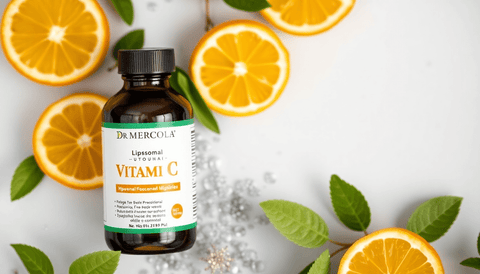
It is a liposomal vitamin C dietary supplement offered by the Dr. Mercola brand. At its core, it relies on liposome technology, packaging vitamin C inside tiny lipid-based vesicles. The term liposomal vitamin C refers to this encapsulation method, which the manufacturer describes as a way to present vitamin C in a vesicular carrier. By focusing on liposomes, it sits at the intersection of formulation science and consumer health categories. This page looks at what it is, how liposomal delivery works in general, and why the brand has earned trust from many customers, all while staying focused on the science and practical use. Liposomes are small, spherical vesicles composed of phospholipid bilayers that can encapsulate water-soluble compounds like vitamin C. In theory, encapsulation protects the vitamin from direct exposure to the external environment and can influence how the molecule interacts with biological barriers. The science behind liposomal delivery describes vesicles that can merge with cell membranes or be taken up by cells, delivering their cargo in a protected form. While the concept is widely discussed in formulation science, independent research on clinically meaningful absorption differences remains a nuanced area. Many consumers come to the brand because of a long-standing online presence and a clear focus on liposomal technology. It emphasizes transparent ingredient lists, education about delivery methods, and direct communication with customers. Its materials often discuss the science behind liposomes and supply-chain details, which can contribute to trust for customers who value technical explanations. It's also common for audiences to weigh the reputation of the founder and the breadth of product information when forming their views. In practical terms, users are encouraged to follow the product label for serving size and timing. The formulation is offered to be consumed as part of a routine that fits individual preferences, such as taking with water or as part of a larger regimen, depending on the form. Storage guidance typically involves keeping it in a cool, dry place and ensuring the container remains sealed between uses. From a science perspective, liposomal delivery centers on encapsulation within lipid vesicles; in everyday use, the focus is on how the packaging and formulation are designed for convenience and repeatable dosing.
Dr. Mercola Liposomal Vitamin C: Cos'è e perché le persone si fidano di esso
Dr. Mercola liposomal vitamin C is a dietary supplement that has gained attention for its unique delivery method. Instead of a standard tablet or powder, this product encapsulates vitamin C in liposomes—tiny, spherical structures made from lipid bilayers. This page provides a broad overview of what this means, exploring the technology, the reasons behind the brand's popularity, and key considerations for anyone interested in this form of vitamin C supplementation.
Here, you will find a clear introduction to the major dimensions of this topic, from the science of liposomal encapsulation to practical usage and broader safety considerations. We aim to build a mental map of the subject so you can better understand more detailed articles and make an informed choice.
What Is Liposomal Vitamin C?
liposomal vitamin C is a specific formulation designed to improve how the body handles it. In this delivery system, the vitamin is encapsulated inside a liposome, a microscopic vesicle made of the same phospholipid material as cell membranes. This encapsulation is the core differentiator of Dr. Mercola's product. Rather than a simple pill, the vitamin is packaged in a 'carrier' that the manufacturer describes as a way to present it in a protected, vesicular form.
The theory behind this is that the lipid bilayer shields the water-soluble vitamin C as it passes through the digestive tract. This protection could potentially influence how the vitamin is absorbed and used by the body. While the concept is firmly rooted in formulation science, it's important to understand that the specific benefits of this method over standard vitamin C are a subject of ongoing research and discussion.
How Does Liposomal Delivery Work?
The mechanism of liposomal delivery involves the creation of small lipid-based vesicles. These liposomes can encapsulate active ingredients and are designed to interact with the body on a cellular level. The science describes two primary ways these vesicles can deliver their cargo: they can merge directly with cell membranes, or they can be taken up by cells through a process called endocytosis.
This process is understood in the lab, but the translation to clinically meaningful absorption advantages in humans is a more nuanced area. What this means practically is that liposomal technology offers a different way to deliver nutrients, but the real-world impact can depend on many factors, including the specific formulation and the individual's digestive health. This section helps explain the 'how' behind the product without making unsupported claims about its superiority.
Why Do Many People Trust the Dr. Mercola Brand?
Many consumers are drawn to Dr. Mercola's products due to the brand's strong online presence and its consistent focus on the science of nutrition. The company's materials often go into detail about ingredient sourcing, the rationale behind liposomal technology, and the supply-chain process. This transparency is a significant factor in building trust with a discerning audience who values technical explanations over simple marketing messages.
Vitamin C benefits, immunity, antioxidant, and energy landscape.
Comparing Liposomal Vitamin C with Other Forms
When considering vitamin C supplements, you have several options. The most common are ascorbic acid (the standard form), mineral ascorbates (such as sodium ascorbate), and liposomal formulations. The key difference lies in the delivery system. Standard ascorbic acid is the baseline; mineral ascorbates are buffered and may be gentler on the stomach; and liposomal vitamin C offers the unique lipid-encapsulation approach. Each form has its own characteristics, and the best choice often comes down to individual needs and preferences.
The Dr. Mercola product is specifically positioned around its liposomal technology. For consumers, this means the focus is on the delivery method rather than just the nutrient itself. When comparing brands, it's useful to look at the phospholipid content, the vitamin C concentration, and any additional ingredients in the formulation. These factors can vary significantly between products and are more important than generic marketing language.
What to Consider When Buying Liposomal Vitamin C
Choosing a high-quality supplement involves more than just picking a trusted brand. Here are some key factors to consider when evaluating a liposomal vitamin C product:
- Ingredient Transparency: Check the label for the exact form of vitamin C and the type of phospholipids used.
- Dosage and Form: Look at the amount of vitamin C per serving and the suggested use (liquid, softgel, etc.).
- Manufacturing Quality: Look for brands that follow Good Manufacturing Practices (GMP) and have third-party testing.
- Additional Ingredients: Some products contain other compounds that may or may not be desirable depending on your goals.
- Price and Value: Compare the cost per serving to ensure it fits your budget.
guide to supplements.
Practical Use and Storage of Liposomal Vitamin C
If you decide to use a liposomal vitamin C product, it's important to follow the instructions on the label. This includes the recommended serving size and the best time to take it. For example, some people prefer to take it with water, while others integrate it into a broader wellness routine. The form of the product—whether liquid or gel—will also dictate the best way to consume it.
Proper storage is crucial to maintaining the product's effectiveness. Most liposomal supplements should be kept in a cool, dry place, away from direct sunlight. It's also important to ensure the container is tightly sealed between uses, as exposure to air and moisture can degrade the liposomes. Adhering to these simple guidelines will help ensure the product remains in good condition for its intended shelf life.
Exploring Related Nutritional Topics
vitamin D benefits, sources, and safety provide a good starting point for broadening your knowledge.
You can also explore other supplement categories to see how different forms and ingredients are used. The world of dietary supplements is diverse, and understanding the basics of each category will help you make more confident choices. This page serves as a starting point for your research into liposomal technology and related health topics.