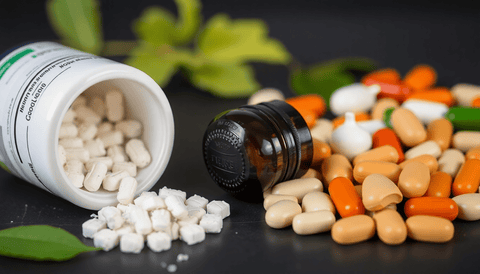
Impatto ambientale degli integratori: cosa il tuo uso di vitamine sta facendo al pianeta


Uncover the environmental impact of supplements across their lifecycle—from sourcing to waste. Understanding this footprint helps readers see how everyday product choices ripple through ecosystems, supply chains, and communities. The focus on the environmental impact of supplements includes how ingredients are obtained, how products are manufactured, what kind of packaging is used, how they’re shipped, and how packaging waste is managed after use. By examining each stage, you can spot opportunities to reduce emissions, conserve resources, and minimize waste without relying on health claims. This page aims to translate industry jargon into practical, planet-friendly choices for conscientious consumers. From source to bottle, the environmental impact of supplements is shaped by material choices and extraction methods. Raw materials may come from agriculture, aquaculture, mining, or forest-based sources, each with distinct resource demands and biodiversity implications. Energy and water use, land conversion, and the potential for habitat disruption are part of the equation, as are chemical solvents and processing steps that leave residues or emissions. Supply-chain transparency and third-party certifications can help verify responsible practices, while diversification of supply and seasonal sourcing can reduce risk. Consumers can look for brands that publish sourcing policies and support ecosystems rather than relying on opaque supply chains. Manufacturing, packaging, and distribution further drive the environmental impact of supplements. Factory energy intensity, water management, waste generation, and solvent use all contribute to a product’s footprint. Packaging adds complexity: plastic, glass, metal, coatings, and labels affect recyclability and end-of-life outcomes. Transport modes, distance traveled, and the frequency of orders influence emissions, especially with direct-to-consumer shipping. Waste streams from production and packaging often end up in landfills or waterways if not properly managed. Brands that optimize processes for efficiency, minimize packaging, and use recycled-content materials help shrink the lifecycle impact. Practical, greener choices can lower the footprint without sacrificing access to the products you need. Prioritize brands with transparent, responsible sourcing and packaging policies, and seek certifications such as recycled-content packaging, take-back programs, or third-party sustainability audits. Opt for packaging that is recyclable or refillable, and consider bulk or concentrated formats to reduce waste. Choosing closer-to-market production or consolidated shipments can cut transport emissions. Finally, follow local disposal guidelines and participate in consumer recycling programs to ensure packaging and materials re-enter the circular economy rather than ending up as waste.


Natural vs Synthetic Supplements: What You Need to Know Before Buying | Topvitamine - Topvitamine
Jul 25, 2025
Gli integratori naturali o sintetici non sono automaticamente migliori o peggiori in base alla loro origine. Questa guida spiega cosa significa davvero naturale o sintetico, quali differenze possono contare tra fonte, forma e formulazione, come leggere l’etichetta e quali aspetti valutare prima dell’acquisto. Troverai anche indicazioni generali sulla sicurezza, sull’uso quotidiano e su quando chiedere consiglio a un professionista sanitario.

Unpacking the Supplement Lifecycle

The environmental footprint of dietary supplements is complex and extends far beyond a single manufacturing plant. It's a story told across the entire lifecycle of the product, from the initial sourcing of raw materials to the final fate of its packaging. This lifecycle can be broken down into a few key stages, each with its own set of environmental considerations.

The environmental impact of supplements begins with raw material sourcing. Ingredients may be grown on farms, harvested from the wild, or produced through more industrial processes. Each has associated resource demands, such as water usage, land conversion, and energy for cultivation, which have downstream effects on local and global ecosystems.

Sourcing and Ingredient Origins

The origins of active and inactive ingredients are a critical starting point. Whether sourced from agriculture, aquaculture, or mineral extraction, this stage carries a baseline environmental cost related to resource use and potential habitat disruption. Look for brands that prioritize supply-chain transparency and publish clear policies for responsible sourcing.

Manufacturing and Processing

Once raw materials arrive at a facility, the manufacturing process takes center stage. This stage involves high energy use, significant water consumption, and the generation of waste. The use of chemical solvents and the intensity of the manufacturing process contribute to the overall footprint and are factors for conscientious consumers to consider.

Packaging, Distribution, and the End-of-Life Phase

Packaging choices play a major role in a supplement's environmental impact. The type of materials used—whether plastic, glass, or metal—and their recyclability are key. Distribution adds another layer, as transportation emissions and the distance goods travel contribute to the overall carbon footprint.

  • Packaging choices: Look for options that are easily recyclable or made from recycled content.
  • Shipping and logistics: Consolidated and bulk shipping methods generally have a smaller environmental impact than many individual, small shipments.
  • End-of-life management: Proper disposal and recycling are crucial to prevent packaging from ending up in landfills or oceans.

Understanding the journey of a product from farm to bin is the first step. This journey is often an area of interest for consumers of various products, including those who prefer supplements from healthy origins. The same principles of traceability apply broadly across the industry.

Making More Informed, Lower-Impact Choices

While the environmental challenges are complex, the path forward is clear. By understanding the key impact areas, you can make more informed decisions. By prioritizing transparency and holding brands accountable, we can all contribute to a more sustainable future for the industry and the planet.

First, focus on choosing brands that openly communicate their sustainability commitments. Look for specific certifications like recycled-content packaging or third-party sustainability audits. Second, consider the product format you purchase, as concentrated powders or liquids may have a lower packaging footprint than bulky capsules. Finally, remember that the most sustainable product may be the one you already have. Properly consuming what you buy is the most effective way to reduce waste.

As a conscious consumer, you might also be curious about the practices of specific brands. For example, you can see how a company's principles align with your own by exploring their Nature's Plus supplements range and their stated values. These simple steps, when multiplied by millions of consumers, can create a powerful shift towards a more sustainable industry.