
Discover the science of EPA and DHA content in our essential guide to Omega-3 Power. This page unpacks what epa and dha content means and how researchers quantify it in products and ingredients. EPA (eicosapentaenoic acid) and DHA (docosahexaenoic acid) are two long-chain omega-3 fatty acids, and the term epa and dha content refers to the amount of these fatty acids present per unit. On most labels you’ll see the epa and dha content expressed as milligrams per serving or per capsule, and sometimes as a share of total fatty acids. Understanding these numbers helps you interpret product information consistently, regardless of the source category. Per conoscere la scienza del contenuto di EPA e DHA nel nostro guida essenziale alla Potenza Omega-3. Questa pagina spiega cosa significa il contenuto di EPA e DHA e come i ricercatori lo quantificano nei prodotti e negli ingredienti. EPA (acido eicosapentaenoico) e DHA (acido docosaesaenoico) sono due acidi grassi omega-3 a lunga catena, e il termine contenuto di EPA e DHA si riferisce alla quantità di questi acidi grassi presenti per unità. Nella maggior parte delle etichette vedrai il contenuto di EPA e DHA espresso in milligrammi per porzione o per capsula, e talvolta come una frazione dei grassi totali. Comprendere questi numeri ti aiuta a interpretare le informazioni sui prodotti in modo coerente, indipendentemente dalla categoria di origine. Per confrontare le opzioni, dovresti guardare come il contenuto di EPA e DHA si confronta tra porzioni. Spieghiamo le differenze tra elencare EPA e DHA separatamente rispetto a come vengono indicati come una linea combinata, e come la dimensione della porzione influisce sui numeri. Vedrai anche a volte un contenuto totale di omega-3 insieme al contenuto di EPA e DHA, il che può influenzare il confronto tra i prodotti. La guida mostra come leggere queste figure in modo che tu possa valutare il contenuto di EPA e DHA in modo chiaro e paragonabile. La nostra guida essenziale mette in evidenza le categorie di fonti in base a come esse contribuiscono al contenuto di EPA e DHA, piuttosto che in base a sapore o uso culinario. Discutiamo di come il contenuto di EPA e DHA possa variare in base alla classe di origine e al metodo di lavorazione, e di come diversi formati presentano questi numeri. L’obiettivo è capire l’etichetta del contenuto: l’EPA è elencato prima, il DHA viene mostrato come una riga separata, e la dimensione della porzione è coerente? Esaminando questi aspetti, puoi confrontare le opzioni in base al contenuto di EPA e DHA. Dietro i numeri, una rigorosa scienza fornisce le cifre sul contenuto di EPA e DHA. Descriviamo gli approcci analitici utilizzati per quantificare EPA e DHA, inclusa la preparazione del campione, l’estrazione lipidica e l’analisi cromatografica. Il contenuto viene riportato in milligrammi per porzione o per grammo, con note sulla base di misurazione e eventuali materiali di riferimento standard applicabili. Controlli di qualità, analisi ripetute e, ove applicabile, verifiche da terze parti aiutano a garantire che i dati sul contenuto di EPA e DHA di cui ti puoi fidare siano affidabili. La pagina copre anche come le variazioni nella forma del prodotto e nelle pratiche di produzione possano influenzare il contenuto di EPA e DHA presentato in etichetta.
Contenuto di EPA e DHA: La tua guida essenziale alla potenza degli Omega-3
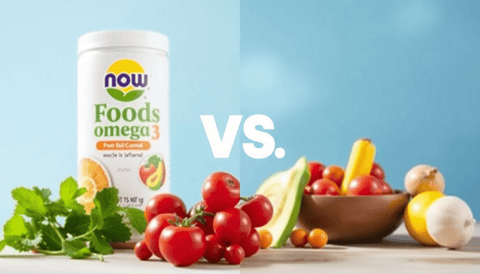
Understanding EPA and DHA content is a central step for anyone exploring omega-3 fatty acids. This guide provides a comprehensive overview of what these terms mean, why they matter for your understanding of nutrition, and how to navigate the information on product labels. We'll explore the general science behind these fats, how they are typically measured, and the key differences between EPA and DHA before looking at dietary sources and supplement considerations.
What is EPA and DHA Content?
EPA (eicosapentaenoic acid) and DHA (docosahexaenoic acid) are types of omega-3 fatty acids. When you see “EPA and DHA content,” it refers to the specific quantity of these fatty acids found in a serving of food, a softgel, or a liquid supplement. This is most commonly listed on labels in milligrams (mg) per serving. However, it can also be presented as a percentage of the total fat content, which is particularly common in certain types of oils.
Grasping this concept is crucial because it allows you to directly compare different products, regardless of their source. A fish oil supplement, a vegan algae oil, and a serving of salmon can all be evaluated using the same metric: how much EPA and DHA do they provide? This standardized understanding is the first step in making informed choices.
Decoding EPA and DHA Content on Labels
Product labels can present omega-3 information in a few different ways, and knowing how to read them is key. Here's what to look for when comparing products:
- Separate vs. Combined Values: Some labels list EPA and DHA individually (e.g., EPA 360 mg, DHA 240 mg), while others provide a combined “Omega-3s” or “EPA/DHA” total. For a more detailed comparison, you'll often want to know the individual amounts.
- Serving Size: The stated content is only meaningful when you know the serving size, which can be multiple capsules or a specific liquid volume. Always compare based on a consistent serving size.
- Other Omega-3s: A product might list “Total Omega-3s,” which includes ALA (alpha-linolenic acid) or other types, alongside Eicosapentaenoic acid and Docosahexaenoic acid. For the specific health effects associated with fish and algae oils, the EPA and DHA content is the most relevant figure.
By focusing on these aspects, you can ensure you're comparing products based on a clear, apples-to-apples basis, which helps in selecting a product that aligns with your interest in these specific omega-3s.
EPA vs. DHA: Key Differences
While both EPA and DHA are long-chain omega-3s, they are not identical. They have different structures and perform various functions within the body. A common question is whether it is better to have more of one than the other. Research often focuses on EPA's role in supporting normal inflammatory responses, while DHA is a major structural component of the brain and eyes.
The optimal ratio of EPA to DHA can depend on the context. Purely from a nutritional standpoint, both are important for maintaining a balanced diet. Whether a specific product is higher in one or the other may influence your choice, but for general health, a good supply of both is typically the goal.
Dietary Sources of EPA and DHA
EPA and DHA are most commonly associated with marine sources. However, for those following a plant-based diet, algae-based supplements provide a direct source of these omega-3s. Understanding where these fats come from is a crucial part of the broader topic.
Here is a general overview of the EPA and DHA content found in common food and supplement sources, based on typical amounts:
Source | Approx. EPA/DHA Content (per serving)
- Salmon (cooked, 3 oz): ~1,200-1,800 mg combined
- Sardines (canned, 2 sardines): ~700-900 mg combined
- Anchovies (canned, 2 oz): ~700-1,000 mg combined
- Mackerel (cooked, 3 oz): ~1,000-1,400 mg combined
- Fish Oil Supplement (typical 1g capsule): ~180-300 mg EPA and 120-200 mg DHA
- Algae Oil Supplement (typical 1g capsule): varies, potentially ~250-500 mg DHA or a higher EPA/DHA blend
The amounts can vary based on the specific species, diet of the animal, and methods of processing. This makes label reading all the more important, as it is the only reliable way to know the exact content of your chosen product.
Recommended EPA and DHA Content per Day
A frequently asked question is “What is a good level of EPA and DHA?” It is important to note that while many health organizations provide general guidance, there is no single universally accepted daily recommendation. Recommendations often fall within a range of 250-500 mg of combined EPA and DHA per day for general wellness, based on research observing populations with high fish consumption.
For specific health conditions, higher amounts are often researched, but such dosages should be discussed with a healthcare professional. The amount you might choose to consume can depend on your dietary habits. If you don't eat fish regularly, a supplement might be a practical way to help you reach these general targets.
Safety and General Considerations for EPA and DHA
You might wonder “How much is too much EPA and DHA per day?” and “Why is fish oil no longer recommended?” regarding some recent discussions. These are valid questions when considering supplementation.
While EPA and DHA are essential, very high intakes could have blood-thinning effects. Most experts agree that up to 3 grams per day of combined EPA and DHA is generally considered safe for most people, but higher amounts should be under a doctor's supervision.
The conversation about fish oil is also nuanced. It often centers on issues like sustainability, the potential for oxidation in low-quality products, and the preference for getting nutrients from food first. This has led to growing interest in sustainable, highly purified fish oils or plant-based alternatives.
Exploring the Topic Further
This guide serves as a broad introduction to the world of EPA and DHA content. Many more specific questions exist within this topic, such as how to choose between different supplement forms, which source is right for your needs, and the detailed mechanisms behind how these fats work. This tag page is designed to be a starting point, offering a clear overview of the landscape before you delve into articles that answer more particular questions.
For those interested in learning more about the different types of nutrients and supplements that can fit into a health-focused lifestyle, our DHA and EPA omega-3 supplements category offers a look at products within this space. You can also explore our range of natural supplements for other wellness interests. Finally, our collection on superfoods and nutrient claims can help you understand more about how foods and supplements are classified.