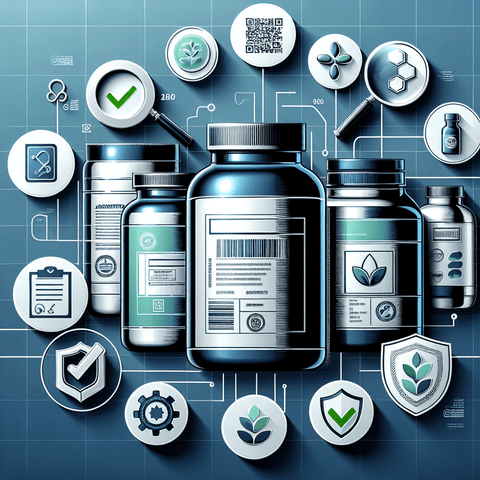
Per riconoscere un integratore contraffatto, controlla il venditore, l’etichetta, il sigillo, il numero di lotto, il codice QR e le promesse riportate sulla confezione. Sono verifiche rapide, ma nessuna è infallibile: acquistare da un canale autorizzato offre la protezione più forte, mentre solo un’analisi di laboratorio può accertare in modo definitivo il contenuto.
Che cos'è il riconoscimento degli integratori contraffatti: contraffatti, adulterati e di qualità scadente
Verificare l’autenticità significa capire se il prodotto corrisponde a ciò che dichiara l’etichetta: ingredienti e quantità, assenza di sostanze non dichiarate, scadenza valida e un produttore identificabile e responsabile. Un prodotto sospetto può rientrare in categorie diverse, con rischi differenti.
- Contraffatti: imitano un marchio autentico, ma possono contenere ingredienti diversi da quelli dichiarati o quantità variabili.
- Adulterati: contengono sostanze non indicate in etichetta, per esempio stimolanti o agenti anabolizzanti; la presenza di sostanze farmacologicamente attive può comportare rischi maggiori.
- Di qualità scadente: possono essere sottodosati, contaminati o non conformi alle specifiche, pur presentandosi con un’etichetta apparentemente onesta.
Tra le pratiche segnalate dalle autorità di controllo e dai laboratori indipendenti figurano la diluizione, la sostituzione degli ingredienti, l’aggiunta non dichiarata di sostanze e la modifica delle date di scadenza. L’aspetto esterno, da solo, non permette sempre di rilevarle.
Perché riconoscere gli integratori falsi è importante per la salute
Un prodotto falso può contenere poco o nessun ingrediente attivo oppure sostanze non dichiarate. Le autorità hanno documentato rischi associati a prodotti adulterati; a seconda di ciò che contengono, possono verificarsi effetti indesiderati, come palpitazioni o variazioni della pressione. Non è possibile stabilire il contenuto o l’effetto di un prodotto sulla base della sola confezione.
Anche un prodotto inefficace può dare una falsa rassicurazione: se lo si assume pensando di coprire un fabbisogno, ma non contiene quanto dichiarato, il nutriente desiderato potrebbe non essere assunto. Per questo è importante verificare la provenienza e rivolgersi a un professionista quando si hanno dubbi sul proprio fabbisogno.
Segnali d'allarme degli integratori falsi: red flag da controllare
Controlla la confezione, ma valuta anche chi vende il prodotto e le promesse che fa. Un singolo dettaglio non prova necessariamente che un integratore sia falso; più anomalie insieme sono un motivo per fermarsi e verificare.
- Sigilli o pellicole termoretraibili rotti, mancanti o apparentemente riapplicati.
- Stampa sfocata, etichette disallineate o caratteri diversi da quelli delle immagini ufficiali.
- Numero di lotto o data di scadenza mancanti, cancellati o ristampati.
- Errori di ortografia, unità di misura incoerenti o lista degli ingredienti incompleta.
- Confezione insolitamente leggera o quantità di compresse diversa da quella dichiarata.
- Prezzi drasticamente inferiori, soprattutto se il venditore non è verificato, non indica un indirizzo aziendale o non spiega la politica di reso.
Diffida inoltre delle promesse di cura di malattie, dei risultati immediati e delle garanzie assolute come «100% sicuro». Sono segnali d’allarme anche le affermazioni cliniche prive di adeguato supporto o che presentano un integratore come sostituto di cure mediche.
I test casalinghi diffusi online, come sciogliere il prodotto in acqua, usare una calamita o aggiungere aceto, non dimostrano l’autenticità: possono riflettere la formulazione, non la provenienza o la composizione effettiva. La verifica definitiva del contenuto richiede un’analisi di laboratorio.
Perché esistono gli integratori falsi: cause e fattori di rischio
I prodotti sospetti possono entrare nella catena di vendita attraverso merci dirottate, resi rivenduti, lotti scaduti o venditori che operano senza una responsabilità chiara del marchio. Tra i canali da valutare con particolare attenzione ci sono gli annunci di terze parti sui marketplace, i venditori sui social media e i siti con domini simili a quelli ufficiali.
Le autorità hanno segnalato rischi di adulterazione in categorie come i prodotti dimagranti, quelli per la massa muscolare e alcuni integratori sportivi o vitamine di marca molto richiesti. Le promesse di risultati rapidi possono rendere più redditizia la vendita di prodotti non conformi: è quindi utile affrontare con particolare scetticismo le affermazioni sensazionalistiche. Per approfondire la selezione in ambito sportivo, consulta la guida sugli integratori per lo sport.
Come scegliere integratori genuini: ciò che distingue il vero dal falso
Inizia dal canale di acquisto: preferisci lo store ufficiale del marchio, i rivenditori presenti nella sua lista autorizzata o una farmacia autorizzata. Sui marketplace, verifica che il venditore sia effettivamente lo store ufficiale o un rivenditore riconosciuto. Prima dell’ordine, controlla anche il dominio del sito, l’indirizzo aziendale e le condizioni di reso.
Loghi o diciture relativi a GMP (Buone Pratiche di Fabbricazione) e a verifiche di terze parti, come USP, NSF o Informed Sport, possono essere copiati. Non considerarli una prova da soli: verifica l’eventuale certificazione o inserimento negli elenchi consultando i database ufficiali dell’organizzazione pertinente.
Per controllare lotto e codice di autenticazione, segui le indicazioni del marchio e usa soltanto il suo sito o la sua app ufficiale. Un codice QR, un pannello da grattare o un ologramma può offrire un indizio utile, ma non garantisce da solo che il prodotto sia genuino.
- Individua sulla confezione il numero di lotto e la data di scadenza.
- Cerca lo strumento di verifica indicato dal marchio, come un QR, un pannello da grattare o un ologramma.
- Scansiona o inserisci il codice soltanto sul sito o sull’app ufficiale del marchio.
- Controlla che nome del prodotto, lotto e scadenza corrispondano esattamente.
- Se non è disponibile un sistema digitale, contatta il produttore comunicando il numero di lotto.
- Conserva una foto del risultato. Se i dati non corrispondono o il codice risulta già utilizzato, non usare il prodotto e chiedi chiarimenti al marchio o al venditore.
Anche la plausibilità della forma, della dose e delle unità merita attenzione. Dosi insolite, unità incoerenti o una forma dell’ingrediente diversa da quella descritta in modo attendibile possono giustificare una verifica. Per esempio, citrato e ossido di magnesio sono forme differenti: il nome in etichetta deve essere chiaro e corrispondere al prodotto venduto.
Come leggere l'etichetta di un integratore come un esperto di autenticità
Un’etichetta utile per la verifica dovrebbe permettere di identificare gli ingredienti e le loro forme, le quantità per dose, gli allergeni e gli additivi, la quantità netta, il produttore, il lotto e la scadenza. L’assenza di unità di misura, ingredienti poco chiari o recapiti del responsabile è un motivo per chiedere informazioni prima dell’acquisto.
Le miscele proprietarie che non indicano le quantità dei singoli ingredienti rendono più difficile valutare la composizione. Anche dosi o unità apparentemente incoerenti e promesse di cura sono segnali da esaminare con cautela. Per orientarti tra ingredienti ed etichette dei multivitaminici, puoi consultare la guida su ingredienti e sicurezza dei multivitaminici.
- Stampa e finitura: nitide e uniformi su un prodotto affidabile; sfocate o disallineate possono destare sospetti.
- Tracciabilità: lotto e scadenza verificabili, anziché mancanti o apparentemente ristampati.
- Prezzo: plausibile rispetto ai canali autorizzati, anziché drasticamente ridotto senza spiegazioni.
- Informazioni: ingredienti, quantità e unità leggibili, anziché una composizione incompleta o promesse di «cure».
- Responsabilità: produttore o soggetto responsabile identificabile, anziché importatore anonimo.
Chi dovrebbe fare più attenzione agli integratori falsi
Chi acquista online dovrebbe verificare il venditore per ogni ordine, non soltanto la piattaforma, perché possono essere presenti operatori diversi. Preferisci gli store ufficiali, controlla la confezione alla consegna e conserva ricevuta e conferma d’ordine.
Chi valuta prodotti dimagranti, per la massa muscolare o per l’energia dovrebbe prestare particolare attenzione alle promesse di risultati rapidi e alle sostanze non dichiarate. In gravidanza, per i bambini, in presenza di condizioni croniche o se si assumono farmaci, è prudente scegliere canali autorizzati e confrontarsi con un professionista sanitario prima di usare un integratore.
Se sospetti di aver assunto un integratore falso: rischi e mosse successive
In molti casi il problema può consistere in denaro speso per un prodotto inefficace; se sono presenti contaminanti o principi attivi non dichiarati, tuttavia, possono verificarsi effetti indesiderati, come palpitazioni, insonnia, variazioni della pressione o interazioni con farmaci. Non è possibile stabilire la causa di eventuali sintomi senza una valutazione professionale.
- Interrompi l’uso del prodotto sospetto.
- Conserva confezione, imballaggio e ricevuta; salva anche gli screenshot dell’annuncio e della conversazione con il venditore.
- Annota quando hai assunto il prodotto e gli eventuali sintomi, quindi chiedi consiglio a un farmacista o a un medico.
- In caso di sintomi gravi, come dolore al petto, difficoltà respiratoria o svenimento, cerca assistenza medica urgente.
- Segnala il prodotto all’autorità nazionale competente per alimenti o medicinali, al marchio e alla piattaforma di vendita, conservando le prove.
Trucchi rapidi per verificare l'autenticità di un integratore: la checklist decisionale
Prima dell’acquisto, prenditi un paio di minuti per verificare venditore, prezzo, immagini, affermazioni ed etichetta. Alla consegna controlla sigillo, lotto e scadenza; dopo l’apertura puoi confrontare aspetto, odore e quantità con quanto dichiarato, ma questi controlli sensoriali non provano l’autenticità.
- Il venditore è autorizzato: store del marchio, rivenditore elencato o store ufficiale sul marketplace?
- Il prezzo è plausibile rispetto a quello dei venditori autorizzati?
- L’inserzione usa immagini ufficiali e fornisce informazioni chiare sul prodotto?
- Le affermazioni sono misurate e non promettono cure o risultati garantiti?
- Ingredienti, quantità, unità e forme sono indicati in modo completo e coerente?
Prima di comprare, chiediti anche se la dieta copre già il nutriente, se un esame o il parere di un professionista potrebbe chiarire il bisogno e se l’integratore è davvero pertinente. La scelta del canale di vendita resta uno dei passaggi più importanti per ridurre il rischio.
Domande frequenti sugli integratori contraffatti
Come capire se un integratore è falso prima di aprirlo? Controlla venditore, prezzo, etichetta e affermazioni. Se trovi più anomalie, evita l’acquisto finché il marchio o un rivenditore autorizzato non abbia chiarito i dubbi.
I codici QR e i pannelli da grattare dimostrano l’autenticità? Sono indizi utili, non una prova assoluta. Verifica il codice sul dominio ufficiale e assicurati che nome del prodotto, lotto e scadenza corrispondano.
Qual è la differenza tra prodotti contraffatti, adulterati e di qualità scadente? I contraffatti imitano un marchio, gli adulterati contengono sostanze non dichiarate e quelli di qualità scadente possono essere sottodosati o contaminati. L’adulterazione può comportare rischi maggiori, in particolare se sono presenti ingredienti attivi non indicati.
I test casalinghi virali rilevano gli integratori falsi? No: sciogliere una compressa in acqua o usare altri metodi casalinghi non verifica l’autenticità. Per accertare il contenuto serve un’analisi di laboratorio.
Gli integratori dei marketplace sono sicuri? Il marketplace da solo non garantisce l’autenticità. Preferisci lo store ufficiale del marchio o un rivenditore autorizzato e verifica chi gestisce concretamente l’annuncio e la vendita.
Che cos’è il numero di lotto e perché è importante? Identifica un lotto di produzione e aiuta il produttore a rintracciare il prodotto, per esempio in caso di verifica o richiamo. Controlla che sia leggibile e chiedi al marchio se hai dubbi.
Che cosa significa GMP? Indica le Buone Pratiche di Fabbricazione. La presenza di un logo non prova da sola che un prodotto sia autentico o certificato: verifica eventuali attestazioni nei database ufficiali pertinenti.
È sicuro usare un integratore con il sigillo rotto? Non usarlo: contatta il venditore per chiedere la restituzione o la sostituzione.
Cosa fare se pensi di aver assunto un falso? Interrompi l’uso, conserva confezione e prove e consulta un farmacista o un medico. Cerca assistenza urgente in presenza di sintomi gravi.
Gli integratori più economici sono sempre falsi? No. Un prezzo basso da solo non prova che il prodotto sia contraffatto; presta però particolare attenzione quando uno sconto marcato si accompagna a un venditore non autorizzato o a una tracciabilità carente.
In sintesi: fare del riconoscimento degli integratori contraffatti parte di un acquisto più intelligente
Per ridurre i rischi, scegli canali autorizzati, leggi criticamente l’etichetta, verifica lotto e codici soltanto sui canali ufficiali del marchio e diffida di prezzi insolitamente bassi e promesse miracolose. Nessun controllo sulla confezione è infallibile: se qualcosa non torna, chiedi conferma prima di usare il prodotto.
I fabbisogni variano da persona a persona. Parti da una dieta equilibrata, valuta con un professionista se esami o pareri siano utili e aggiungi soltanto prodotti verificati quando sono pertinenti. In caso di sospetto, interrompi l’uso, conserva le prove, chiedi consiglio e segnala il prodotto.