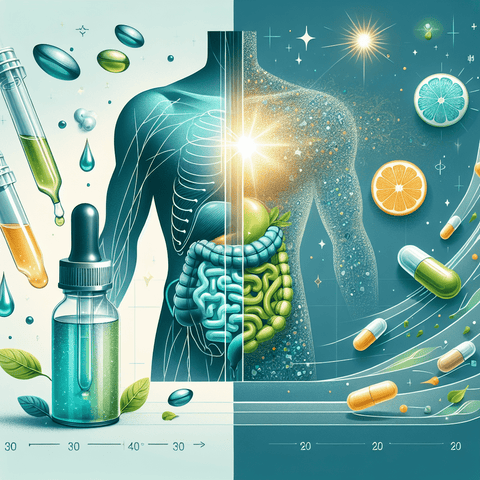
Questo contenuto esplora la categoria delle vitamine a rapido assorbimento, cosa può implicare il termine nelle etichette dei prodotti e come affrontarle senza formulare specifici claim sulla salute. Si trova una panoramica neutra sulle definizioni, i formati di somministrazione più comuni e le informazioni da valutare confrontando i prodotti. Molte vitamine a rapido assorbimento sono offerte sotto forma di compresse sublinguali, liquidi o soft gel progettati per raggiungere più rapidamente la circolazione sistemica rispetto alle compresse standard. La rapidità con cui una vitamina appare nel flusso sanguigno dipende dalla formulazione, dagli ingredienti che migliorano l'assorbimento e da fattori individuali come la digestione e il tempo di transito. Poiché l'inizio dell'effetto può variare molto, è utile considerare “a rapido assorbimento” come una descrizione della forma o del processo piuttosto che un risultato garantito per ogni persona. Consigli pratici per scegliere integratori sicuri ed efficaci includono la verifica di test di terze parti (come le certificazioni USP o NSF), la lettura dell'etichetta per conoscere le quantità esatte per dose, e l'evitare riempitivi o allergeni non necessari. Si consiglia di cercare indicazioni chiare sul dosaggio che siano in linea con i range di sicurezza consolidati, e di essere attenti a eventuali interazioni con farmaci o condizioni preesistenti. È preferibile scegliere marchi che pubblicano liste di ingredienti trasparenti e informazioni specifiche per lotto, per garantire tracciabilità e responsabilità. Per valutare le vitamine a rapido assorbimento, è importante considerare le proprie esigenze e l'affidabilità delle etichette. Seguire le istruzioni fornite, conservare i prodotti come indicato, e smaltire quelli scaduti. Se ci sono dubbi o si stanno assumendo altri farmaci, è consigliabile consultare un professionista sanitario prima dell'uso. Focalizzandosi sulla qualità, accuratezza delle etichette e pratiche di sicurezza, si può valutare con un approccio informato e prudente le vitamine a rapido assorbimento.
Vitamine a pronta azione: energia e concentrazione rapide in pochi minuti — scopri come funzionano
When you reach for a supplement, you might be seeking a nutrient that works quickly in the body. The term "fast-acting vitamins" is commonly used to describe supplements engineered for rapid absorption and availability. This guide explores what this term truly means, the different forms these vitamins come in, and the factors that influence how quickly your body can use them. It also provides a foundation for understanding how to choose a high-quality supplement that aligns with your wellness routine.
What Are Fast-Acting Vitamins?
The speed at which a vitamin from a supplement becomes available to your body is known as its bioavailability. A "fast-acting" designation typically points to a formulation designed to bypass some of the slower stages of digestion. Standard tablets, especially those with coatings, need time to break down in the stomach and intestines. In contrast, fast-acting forms are often pre-dissolved or designed to dissolve quickly, allowing nutrients to be absorbed more rapidly through the digestive lining.
It is important to distinguish that "fast-acting" does not automatically mean a vitamin will provide an immediate or noticeable effect. Rather, it refers to the absorption kinetics—how quickly the nutrient enters the bloodstream. Its eventual effect depends on its role in the body and your existing nutrient levels.
Common Forms of Fast-Absorbing Supplements
Supplement manufacturers use various delivery systems to enhance the absorption rate of their products. You may encounter several of these forms when exploring fast-acting options:
- Liquids: These are already in a dissolved state, meaning no breakdown is needed before absorption begins. They can be mixed with water or taken directly.
- Sublingual Tablets or Sprays: These are designed to be absorbed through the rich network of blood vessels under the tongue, potentially entering the bloodstream faster than forms that must be swallowed.
- Gummies and Chewables: These are chewed, which begins the physical breakdown process immediately and mixes the nutrients with saliva for quicker processing.
- Powders: Often designed to be mixed with a beverage to create a liquid suspension, which can be absorbed more quickly than a solid tablet.
- Softgels and Liquid Capsules: These contain the nutrient in a liquid or oil base within a digestible shell, which may absorb more quickly than a compressed powder tablet.
Understanding Nutrient Forms and Digestion
Beyond the supplement's physical form, the specific chemical type of a nutrient plays a crucial role in absorption. For example, certain forms of magnesium or vitamin C might be more easily absorbed than others. Additionally, some vitamins are water-soluble (like the B-complex vitamins), which generally do not need dietary fat for absorption, while others are fat-soluble (like vitamins A, D, E, and K).
Your digestion is also a critical factor. The health of your stomach acid and intestinal lining can impact how well you break down and absorb any nutrient. For some individuals with digestive sensitivities, a fast-acting form like a liquid or spray may be a more comfortable option than a difficult-to-digest tablet. These formats might also be beneficial for those who have difficulty swallowing pills.
General Considerations for Choosing Supplements
Selecting a supplement should involve more than just looking for the "fast-acting" label. A comprehensive approach to choosing any nutritional product, including those designed for quicker absorption, includes:
- Checking for third-party testing certifications, such as USP or NSF, which can indicate that a product has been independently verified for quality and purity.
- Reading the label for the exact form and amount of the active ingredient to ensure it meets your needs.
- Reviewing the ingredient list for potential allergens, unnecessary fillers, or artificial additives.
- Adhering to recommended dosages and not exceeding the Daily Value (DV) unless advised by a healthcare professional.
If you are looking to build a foundational regimen, you may explore general multivitamins. For those interested in herbs and botanicals, exploring different supplement categories can be beneficial. When researching specific nutrients, it is helpful to explore dedicated collections that align with your interests, such as those focusing on essential vitamins or minerals.
Exploring Fast-Acting Options and Individual Needs
The concept of fast-acting vitamins is most relevant when you have a specific need or prefer a certain format. While the scientific aspects of absorption are important, personal lifestyle and preferences also play a role. Gummies, for instance, may be more palatable for some people, while a liquid might be easier for others to incorporate into their daily routine. The choice between a fast-acting liquid and a standard tablet might not significantly change the outcome for every nutrient, but it can affect your consistency in taking it.
Your decision should be based on your digestive health, your personal preferences, and the guidance of a healthcare provider. They can provide personalized advice on whether a fast-acting formulation is necessary or beneficial for addressing a specific vitamin deficiency or health goal, and can help you understand any potential interactions with medications you may be taking.
Safety, Quality, and Regulation
As with all dietary supplements, safety and quality are paramount. Fast-acting forms are not inherently more risky than other types, but the principles of choice remain the same. The FDA does not strictly approve dietary supplements for safety or effectiveness before they hit the market; therefore, the responsibility for quality falls on the manufacturer. Choosing brands that follow Good Manufacturing Practices (GMPs) and have their products tested by independent third-party labs provides an added layer of assurance.
Always speak with a qualified healthcare practitioner before starting a new supplement, particularly if you are pregnant, nursing, have a medical condition, or are taking prescription medications. This is essential to ensure your safety and avoid any unintended interactions. The information provided here is for educational purposes and should not replace professional medical advice.