
Fat malabsorption refers to a disruption in the body's ability to absorb fats from the digestive tract. When this process is impaired, you may notice signs such as steatorrhea—stools that are unusually bulky, pale, or greasy—along with weight loss, bloating, abdominal cramps, and fatigue. Recognizing these signals can prompt timely evaluation, since fat malabsorption can be a downstream result of several underlying issues rather than a single condition. Root causes of fat malabsorption fall into several broad categories: insufficiency of digestive enzymes from the pancreas, interference with bile salts that help emulsify fats, and disorders that damage the absorptive surface of the small intestine. Each category covers a range of specific conditions, including those that affect digestion, absorption, or the lining of the gut. In some cases, fat malabsorption arises from a combination of factors rather than a single cause. Treatment approaches for fat malabsorption are typically guided by the underlying cause and implemented by healthcare professionals. Across clinical contexts, management may involve diagnostic workups to identify the root issue and multidisciplinary care to address it. The goal of treatment is to optimize fat absorption where possible and to address any associated nutritional or systemic effects that may arise as a result of malabsorption. Practical steps for navigating fat malabsorption include keeping track of symptoms and changes over time, communicating clearly with a qualified clinician, and seeking timely evaluation if new or worsening signs appear. Understanding the diagnostic process, potential tests, and the plan for ongoing follow-up can empower you to make informed decisions. This page provides an overview, but it does not substitute for professional medical advice or individualized care. **it** refers to a disruption in the body's ability to absorb fats from the digestive tract. When this process is impaired, signs such as steatorrhea—stools that are unusually bulky, pale, or greasy—along with weight loss, bloating, abdominal cramps, and fatigue may be observed. Recognizing these signals can lead to timely evaluation, as fat malabsorption may result from various underlying issues rather than a single condition. The root causes of fat malabsorption are categorized broadly into insufficient pancreatic digestive enzymes, interference with bile salts that emulsify fats, and disorders damaging the small intestine's absorptive surface. These categories encompass multiple specific conditions affecting digestion, absorption, or the intestinal lining. Often, fat malabsorption results from a combination of factors rather than a single cause. Treatment strategies are usually tailored to the underlying cause and managed by healthcare professionals. Diagnostic assessments and multidisciplinary care are essential to identify and address the root issues. The main objectives are to improve fat absorption where possible and to manage nutritional or systemic effects arising from the malabsorption. Practical steps include monitoring symptoms and changes over time, maintaining clear communication with healthcare providers, and seeking prompt evaluation if new or worsening signs occur. Understanding the diagnostic process, potential testing, and follow-up plans can help individuals make informed decisions. This overview serves as a guide but does not replace professional medical advice or personalized care.
Grasso Malassorbimento: Sintomi, Cause e Trattamenti da Conoscere

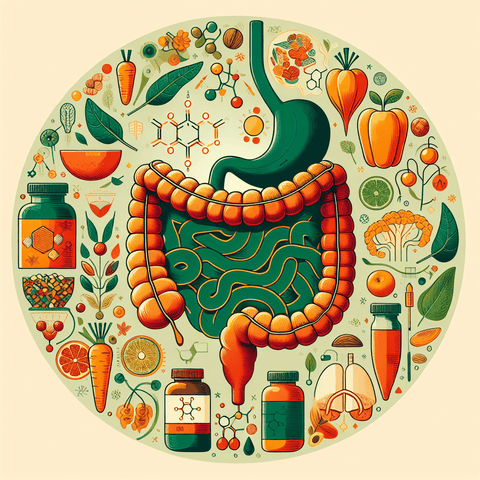
Fat malabsorption refers to a disruption in the body's ability to absorb fats from the digestive tract. When the normal process of digesting and absorbing dietary fat is impaired, fat can pass through the gut without being properly taken up, producing a recognizable pattern of digestive and general symptoms. This page gives a broad overview of the topic: what fat malabsorption is, the signs commonly associated with it, the main categories of causes, and how healthcare professionals approach evaluation and care. The articles collected under this tag explore specific aspects of the subject in greater depth.
What Is Fat Malabsorption?
Absorbing fat is a multi-step process. Digestive enzymes produced by the pancreas break dietary fat into smaller components, bile salts help emulsify fat so it can mix with digestive fluids, and the lining of the small intestine takes up the resulting particles. Fat malabsorption occurs when one or more of these steps is impaired, so that a meaningful portion of dietary fat is not absorbed.
It is important to understand that fat malabsorption is not usually a condition in its own right. It is more often a downstream result of an underlying issue rather than a single disease, which is why clinicians generally treat it as a signal worth investigating. Keeping this framing in mind makes the symptoms, causes, and care approaches described below easier to follow.
Common Signs and Symptoms of Fat Malabsorption
Because unabsorbed fat travels through the digestive tract, symptoms often centre on digestion, although they can extend beyond it. The signs below are those most commonly associated with fat malabsorption:
- Steatorrhea: stools that are unusually bulky, pale, or greasy
- Unintended weight loss
- Bloating
- Abdominal cramps
- Fatigue
Experiences differ from person to person, and the severity and combination of symptoms can vary widely. Many of these signs also overlap with other digestive conditions, so their presence does not by itself confirm fat malabsorption. Persistent or worsening symptoms are best discussed with a qualified clinician, who can put them in context and advise whether further evaluation is appropriate.
What Causes Fat Malabsorption?
Fat malabsorption generally traces back to a problem somewhere along the fat-digestion pathway. The main categories are:
- Insufficient digestive enzymes from the pancreas, leaving fat inadequately broken down
- Interference with bile salts, which help emulsify fats so they can be digested and absorbed
- Disorders that damage the absorptive surface of the small intestine, reducing the area available to take up nutrients
Each category covers a range of specific conditions, including those that affect digestion, absorption, or the lining of the gut. In some cases, fat malabsorption arises from a combination of factors rather than a single cause. Because different mechanisms can produce very similar symptoms, identifying the one involved usually requires professional evaluation.
How Fat Malabsorption Is Evaluated
There is no single route to identifying fat malabsorption. Clinicians typically begin with a detailed history — looking at symptom patterns, diet, and relevant medical background — before considering a physical examination and, where appropriate, diagnostic tests. These may include laboratory tests and assessments of digestion and absorption, selected according to the suspected underlying cause.
Understanding the diagnostic process, the potential tests involved, and the plan for ongoing follow-up can make the experience easier to navigate and help you take part in decisions about your care. Individual evaluation always depends on personal circumstances and should be guided by a healthcare professional.
How Fat Malabsorption Is Treated and Managed
Treatment approaches for fat malabsorption are guided by the underlying cause and implemented by healthcare professionals. Across clinical contexts, management may involve diagnostic workups to identify the root issue and multidisciplinary care to address it, together with attention to any associated nutritional or systemic effects.
The overall goal of treatment is to optimize fat absorption where possible and to address the wider effects that malabsorption can have. Because the right approach depends on the specific cause and the individual, treatment decisions belong with a qualified clinician rather than with a general overview such as this page.
Nutrition Considerations With Fat Malabsorption
Dietary fat plays a central role in nutrition, so problems with fat absorption naturally raise questions about the wider diet. While any specific dietary changes should be discussed with a clinician or registered dietitian, it helps to understand how fat interacts with other nutrients.
Fat-Soluble Vitamins
Vitamins A, D, E, and K are described as fat-soluble because they are absorbed alongside dietary fat. When fat absorption is impaired, the uptake of these vitamins may also be affected, which is one reason clinicians may consider overall nutrient status when investigating malabsorption. For general background on these nutrients, you can explore Topvitamine's vitamin A, vitamin D, and vitamin E collections.
Fat Malabsorption: Common Questions
The questions below come up frequently around this topic. The answers offer a quick orientation; the sections above and the articles collected under this tag provide more detail.
What are the symptoms of fat malabsorption?
Commonly reported signs include steatorrhea — stools that are unusually bulky, pale, or greasy — along with unintended weight loss, bloating, abdominal cramps, and fatigue. Because these symptoms overlap with many other digestive conditions, persistent signs are best assessed by a clinician rather than self-diagnosed.
What does fat malabsorption feel like?
It varies from person to person, but it is often described as an ongoing combination of digestive discomfort — bloating, cramping, and noticeable changes in stools — together with low energy. Any persistent pattern of this kind is worth discussing with a healthcare professional.
Can fat malabsorption be cured?
Fat malabsorption is not addressed with a one-size-fits-all remedy. Because it usually results from an underlying issue, the approach depends on identifying and addressing that cause, with management planned and supervised by healthcare professionals based on individual findings.
Practical Steps and When to Seek Advice
If you are navigating possible fat malabsorption, a few practical habits can help you get the most out of a clinical consultation:
- Keep track of your symptoms, including when they occur, how they change over time, and anything that seems to influence them.
- Note relevant context such as recent dietary changes, new medications, or other health issues, as these details can help a clinician piece together the picture.
- Ask about the diagnostic process, potential tests, and the plan for ongoing follow-up so you know what to expect.
- Seek timely evaluation if new or worsening signs appear, since early assessment can make it easier to identify the underlying cause.
These steps are about being organized and informed, not about diagnosing yourself. This page provides general educational information only; it does not substitute for professional medical advice, diagnosis, or individualized care.
Exploring Fat Malabsorption Further
Fat malabsorption sits at the intersection of digestion, nutrition, and general health, and each of those threads rewards closer study. The articles gathered under this tag look at specific parts of the topic in greater depth — from particular symptoms and causes to practical management questions. Browsing them is a useful way to build a fuller picture of the subject alongside personalized guidance from your own healthcare professional.