
Comprendere la qualità dell'olio di pesce forte inizia con l'analizzare ciò che si deve cercare oltre al colore della bottiglia o ai numeri di dosaggio. Focalizzarsi su tre pilastri: purezza, freschezza e potenza. Un olio di pesce di alta qualità dovrebbe essere raffinato per ridurre i contaminanti, avere un’etichetta trasparente con informazioni su EPA e DHA per porzione e fornire indicazioni chiare sulla dose. L'obiettivo è valutare la qualità dell'olio di pesce attraverso dettagli oggettivi e divulgazioni sulla produzione, non tramite affermazioni di marketing. La purezza e i contaminanti sono centrali per la qualità dell'olio di pesce. Cercare prodotti che sottopongano a fasi di purificazione progettate per minimizzare contaminanti ambientali come metalli pesanti, PCB e diossine. Cercare un certificato di analisi da laboratorio indipendente e limiti espliciti di contaminanti sull'etichetta o un COA collegato. Se un prodotto non dispone di test di terze parti o di un COA verificabile, considerare altre opzioni per mantenere un elevato standard di qualità. Anche la freschezza e la potenza sono importanti. L’ossidazione è un fattore chiave che influenza la qualità dell’olio di pesce, quindi è importante prestare attenzione alla confezione (bottiglie scure e protette dai raggi UV) e alle istruzioni di conservazione. Alcuni COA includono misurazioni di ossidazione come il valore di perossidi o il valore di anisidina. Una versione ad alta potenza indicherà il contenuto di EPA e DHA per porzione, permettendo confronti accurati dei livelli di omega-3 mentre si assicura che metodi di lavorazione adeguati, come la distillazione molecolare o l’uso di antiossidanti protettivi, supportino la qualità. I test di terze parti e l’etichettatura aiutano a verificare la qualità dell’olio di pesce. Cercare sigilli di certificatori riconosciuti e assicurarsi che il prodotto includa un COA aggiornato, numero di lotto, data di scadenza e confezione a prova di manomissione. Verificando questi dettagli, si può valutare con fiducia la qualità dell’olio di pesce e fare una scelta informata, concentrandosi su affidabilità e trasparenza.
Qualità dell'olio di pesce: come scegliere un Omega-3 puro, fresco e ad alta potenza
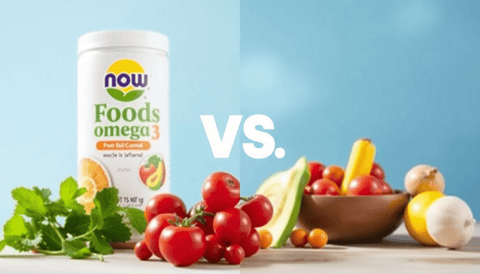
Navigating the world of omega-3 supplements can be challenging, especially when trying to determine what makes one fish oil superior to another. The term "fish oil quality" encompasses a range of factors, including the source of the fish, the method of processing, the concentration of active ingredients, and the overall freshness of the final product. This guide provides a broad overview of the key elements that define a high-quality fish oil, helping you understand what to look for and why these factors matter for your health and wellness routine.
What is Fish Oil Quality?
Fish oil quality is not a single attribute but a combination of several distinct properties that determine the oil's safety and nutritional value. These properties are typically grouped into three main pillars: purity, freshness, and potency. Understanding each of these pillars is essential for anyone looking to choose a fish oil supplement with confidence.
Purity refers to the absence of unwanted substances, particularly environmental contaminants. Because fish can absorb toxins from the waters they inhabit, a high-quality oil must be purified to remove these elements. Freshness relates to the oil's stability and its resistance to oxidation. When fish oil is exposed to heat, light, or oxygen, it can become rancid, which not only alters the taste and smell but also reduces its potential benefits. Potency describes the strength of the product, which is determined by the concentration of EPA and DHA, the omega-3 fatty acids that provide the oil's primary nutritional benefits.
Why Purity, Freshness, and Potency Matter
These three factors are not just industry buzzwords; they are the fundamental criteria that separate a beneficial supplement from a potentially ineffective or even harmful one. Prioritizing these factors ensures that you are getting the full nutritional value from your supplement while minimizing exposure to unwanted substances.
Purity and Contaminants
The primary concern regarding purity is the presence of environmental pollutants. These can include heavy metals like mercury and lead, as well as industrial chemicals such as PCBs (polychlorinated biphenyls) and dioxins. High-quality fish oil manufacturers use advanced purification techniques, such as molecular distillation, to effectively remove these contaminants while preserving the delicate omega-3 fatty acids. When a product claims to be highly purified, it should ideally be backed by third-party testing that confirms these contaminants are below detectable limits.
Freshness and Oxidation
Oxidation is the process by which fish oil goes rancid. This can happen over time, especially if the oil is exposed to heat, light, or air. A rancid oil can have an unpleasant taste and smell and may not offer the same benefits as a fresh oil. To assess freshness, look for specific oxidation markers on a product's Certificate of Analysis. These include Peroxide Value (PV) and Anisidine Value (AV), which measure different stages of oxidation. Lower numbers indicate a fresher, higher-quality oil. The use of dark, UV-protective bottles and the addition of natural antioxidants like vitamin E are also indicators that a manufacturer is taking steps to protect the oil's freshness.
Potency and EPA/DHA Levels
Potency refers to the amount of EPA and DHA in a single serving. These are the omega-3 fatty acids that your body uses, and their concentration is a direct measure of the product's strength. A high-potency fish oil will provide a substantial dose of EPA and DHA in a smaller number of capsules, which can be more convenient and cost-effective. Always read the Supplement Facts panel to determine the exact amount of EPA and DHA per serving, rather than relying solely on the total amount of fish oil, which can be misleading if the oil is not concentrated.
How to Evaluate a Fish Oil Supplement
Evaluating a fish oil supplement requires a little detective work. Instead of focusing on attractive marketing claims, you should learn to look for objective evidence of quality. This involves examining the product label, looking for third-party testing, and understanding the value of a Certificate of Analysis.
The Importance of Third-Party Testing and COA
One of the most reliable indicators of a high-quality fish oil is the presence of a Certificate of Analysis (COA). A COA is a document issued by an independent laboratory that verifies the product's contents. It confirms that the levels of EPA and DHA match what is stated on the label and that the product is within acceptable limits for contaminants and oxidation markers. A company that readily provides this documentation demonstrates a commitment to transparency and quality. If a product does not offer a COA or does not provide clear information about its testing practices, it may be a red flag.
What to Look For on the Label
The product label is your first source of information. A transparent and high-quality product should clearly state the amount of EPA and DHA per serving, not just the total fish oil content. It should also list the form of the oil (e.g., triglycerides, ethyl esters), the source of the fish, and any additional ingredients like antioxidants. The label should also provide a batch or lot number, which can be used to trace the product back to its testing data.
Key Red Flags to Consider
Certain signs can suggest that a fish oil product may be of lower quality. These include a lack of transparency about the source of the fish, the absence of a COA, and the use of clear glass bottles that expose the oil to light. Additionally, be wary of products that are sold at significantly lower prices than the market average, as they may have cut corners in purification or sourcing. A short shelf life or the absence of an expiration date can also be an indicator of poor quality.
Practical Considerations for Choosing a Supplement
Beyond the objective markers of quality, there are several practical considerations that can guide your choice. The form of the omega-3, the source of the fish, and the overall value are all important factors that can influence which supplement is right for you.
Different Forms of Fish Oil
Fish oil supplements come in several forms, including natural triglycerides, ethyl esters, and re-esterified triglycerides. While the clinical significance of these different forms is a subject of ongoing research, some studies suggest that certain forms may be absorbed slightly better than others. More importantly, the form of the oil can affect the taste and the likelihood of experiencing 'fish burps.' You may need to try a couple of different forms to find one that you can take consistently.
Sourcing and Sustainability
The source of the fish is another important consideration. Fish that are caught in clean, cold waters are generally less likely to contain high levels of contaminants. Many reputable brands also focus on sustainability, ensuring that their fish are sourced from well-managed fisheries. Look for certification from organizations like Marine Stewardship Council (MSC) or Friend of the Sea, which can provide assurance about both sustainability and quality.
How to Take Fish Oil Supplements
To get the most out of your fish oil, consider taking it with a meal that contains some fat, as this can enhance absorption. Consistency is also key; taking your supplement at the same time each day can help you build a habit. Store your fish oil in a cool, dry place away from direct sunlight, and always close the bottle tightly after use to minimize exposure to oxygen.
The Connection Between Fish Oil Quality and Overall Health
Omega-3 fatty acids are a type of polyunsaturated fat that plays a crucial role in various bodily functions. While it is not the purpose of this guide to make specific health claims, it is widely understood that the quality of the fish oil you consume directly impacts the quality of the omega-3s you deliver to your body. A pure, fresh, and potent oil ensures that you are getting the intended nutritional support without unnecessary additives or potential toxins.
You might also be interested in exploring other aspects of nutritional supplementation, such as the role of fat-soluble vitamins. For a comprehensive look at these important nutrients, you can explore our vitamin D benefits and safety guide which often complements a balanced omega-3 routine.
Exploring the Topic Further
This guide has covered the fundamental concepts of fish oil quality, providing a framework for understanding what to look for in a supplement. For those interested in a more general overview of different supplement categories, our natural supplements collection offers a useful starting point for exploring various nutritional products focused on quality and transparency.
Selecting a high-quality fish oil is a worthwhile investment in your nutritional well-being. By focusing on the principles of purity, freshness, and potency, and by learning to interpret labels and testing documentation, you can choose a product that meets high standards of quality. This broad understanding will help you navigate the market and select a supplement that aligns with your health goals.
This general educational information is not a substitute for professional medical advice. Always consult with a healthcare provider before starting any new supplement regimen, especially if you have underlying health conditions or are taking medications.
For more information on how supplements like fish oil interact with other nutrients, you can review our DHA and EPA omega-3 supplements to see other products in this category.