
it
Scopri il ricco mondo delle varietà di pesci: dall'acqua dolce a quella salata
Oct 21, 2025
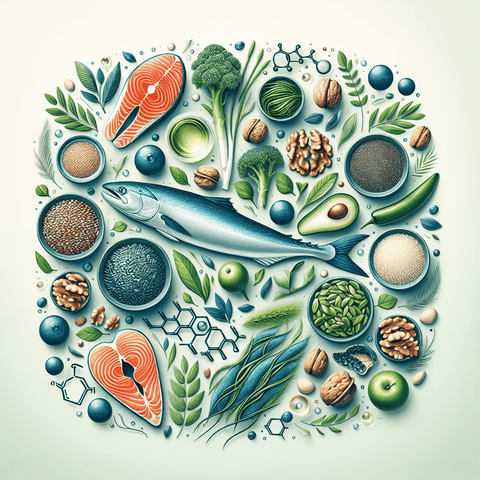
Gli alimenti ricchi di omega-3 includono pesci grassi come salmone, sgombro, sardine, acciughe e aringa, oltre a semi di lino, chia, canapa, noci e olio di alghe. L’articolo spiega la differenza tra ALA, EPA e DHA, propone idee pratiche per inserirli nella dieta e chiarisce quando valutare un integratore, prestando attenzione a qualità, dosaggio e possibili interazioni.
What Are Fish Varieties?
Fish varieties are the many species and groups of fish found across the world's waters. They range from small freshwater minnows to large ocean predators, and they occupy nearly every aquatic environment, from mountain streams to deep seas. The term is broad and includes both scientifically distinct species and commonly grouped categories, such as game fish, food fish and aquarium fish.
Because fish varieties differ so widely, they are often grouped by habitat, body shape, diet or life cycle. These groupings are practical rather than strict, and many species fit into more than one category. Understanding the basic groupings can make it easier to compare fish varieties and to recognise common names used in cooking, fishing and aquariums.
Why Fish Varieties Differ So Much
Habitat is one of the strongest influences on fish variety. In fast-flowing rivers, streamlined bodies and powerful tails help fish hold position in currents. In still lakes, deeper bodies and distinctive fin shapes can reduce drag or support stealth. Estuaries host species that tolerate changing salinity, while coral reefs support brightly coloured fish with intricate fin patterns and specialised feeding habits.
Diet also shapes fish varieties. Some fish graze on algae, others filter plankton, and some are active predators. These differences affect mouth shape, body size and behaviour. Life cycle is another factor: some species migrate long distances between freshwater and saltwater, while others spend their entire lives in one environment.
Main Categories of Fish Varieties
Freshwater Fish
Freshwater fish live in rivers, lakes, ponds and streams. Common examples include bass, trout, pike, perch, catfish and cichlids. Many freshwater varieties are popular with anglers and aquarium keepers, and some are also widely eaten. Freshwater habitats vary greatly in temperature, flow and water quality, so freshwater fish varieties show a wide range of adaptations.
Saltwater Fish
Saltwater fish live in oceans and seas, including coastal waters, coral reefs and the open ocean. Examples include tuna, mackerel, cod, snapper, grouper and sardines. Saltwater fish varieties often have different feeding strategies and body shapes compared with freshwater species, reflecting the challenges of ocean life such as currents, depth and predation.
Migratory Fish
Some fish varieties move between freshwater and saltwater at different stages of life. Salmon and trout are well-known examples. These migrations can be demanding, and migratory fish often have specialised body shapes and physiological adaptations. This group is often discussed separately because its life cycle differs from that of fish that remain in one habitat.
Reef and Bottom-Dwelling Fish
Coral reefs support colourful fish such as clownfish, damselfish and angelfish. Bottom-dwellers, including gobies, flatfish and rays, are adapted to life near or on the sea floor. These groups illustrate how fish varieties can be classified by where they live and how they feed, even within the same broad habitat.
Popular Fish Varieties and Common Names
Many fish varieties are known by common names that vary by region. A few widely recognised examples include:
- Bass – freshwater and saltwater species
- Trout – often found in cold, clear freshwater
- Salmon – migratory, valued as food
- Tuna – large, fast-swimming ocean fish
- Mackerel – oily fish found in many seas
- Cod – cold-water species used in many cuisines
- Clownfish – small reef fish with distinctive markings
- Cichlids – diverse freshwater family, popular in aquariums
This is only a small sample. Fish varieties number in the thousands, and new species continue to be described. For identification, characteristics such as fin shape, body form, colour pattern and habitat are often more useful than common names alone.
Fish Varieties as Food and Nutritional Context
Many fish varieties are eaten around the world. Fish generally provides protein, and oily fish such as salmon, mackerel and sardines are recognised sources of omega-3 fatty acids. Other fish varieties contribute different micronutrients depending on species, diet and environment. Preparation methods and sourcing can also affect nutritional value and safety.
For readers interested in the broader nutrient context, Topvitamine offers a category on DHA and EPA omega-3 supplements. Supplements are not a replacement for a balanced diet, and anyone considering them should seek appropriate guidance where needed.
How to Identify and Compare Fish Varieties
Identifying fish varieties can be approached by observing a few key features. Habitat, body shape, fin arrangement, mouth position and colour pattern are common starting points. Field guides, aquarium resources and reputable online databases can help confirm identifications. For food fish, labels and regional naming conventions may also be useful, though common names can differ from place to place.
When comparing fish varieties, it helps to group them by shared characteristics rather than trying to memorise every species. This approach makes the diversity of fish more understandable and supports further learning about aquatic ecosystems.
Exploring Fish Varieties Further
Fish varieties offer a window into adaptation, ecology and nutrition. Whether you are interested in freshwater river species, colourful reef fish or the oily fish often discussed in nutrition, there is a broad range to explore. This tag page provides a high-level overview; more specific topics, such as individual species profiles or detailed nutritional comparisons, are covered in related articles.