
It offre bevande vegetali fortificate senza latticini per tutte le occasioni quotidiane. Disponibili in basi come avena, mandorla, soia, pisello, cocco e riso, queste bevande offrono una varietà di consistenze e sapori. La fortificazione è una caratteristica comune, con prodotti arricchiti con ingredienti extra per ampliare il profilo nutrizionale. Che siano versate a colazione, incorporate in una ricetta o gustate da sole, le bevande vegetali fortificate introducono varietà nelle routine quotidiane. La varietà di sapori è uno dei punti di forza delle bevande vegetali fortificate. Dalla cremosa vaniglia e ricocca cioccolato a miscele di noci e frutti, ci sono opzioni adatte a momenti diversi. Oltre ai gusti standard, varianti senza zucchero e leggermente dolcificate, così come profili stagionali, ampliano le possibilità di degustazione e sperimentazione. Navigando tra le opzioni, si noteranno prodotti promossi con tematiche di energia, nutrienti essenziali e profili orientati al gusto. I formati variano da bottiglie e cartoni pronti da bere a varianti a lunga conservazione. Alcuni prodotti sono progettati per essere refrigerati, mentre altri rimangono freschi a temperatura ambiente fino all'apertura. Le dimensioni dell'imballaggio vanno da singole porzioni a litri o quarti più grandi, e la disponibilità si trova nei supermercati, negozi online e menu di caffetterie. La versatilità delle bevande vegetali fortificate le rende adatte a molte occasioni, che siano usate nel caffè, con cereali o in ricette. Quando esplori le bevande vegetali fortificate, considera la base, l'approccio alla fortificazione e il profilo di sapore. Controlla l'etichetta per le informazioni su allergeni e note di produzione, e cerca descrizioni chiare sulla fortificazione senza implicare claim di salute. Prova un metodo di degustazione a rotazione per scoprire le preferite e pensa a come ogni opzione possa adattarsi alla tua routine. Con un'ampia gamma di scelte, queste bevande vegetali fortificate possono essere un elemento versatile della tua linea di bevande senza latticini.
Bevande a Base Vegetale Potenziate: Nutrizione Senza Latticini per Caricare la Tua Giornata
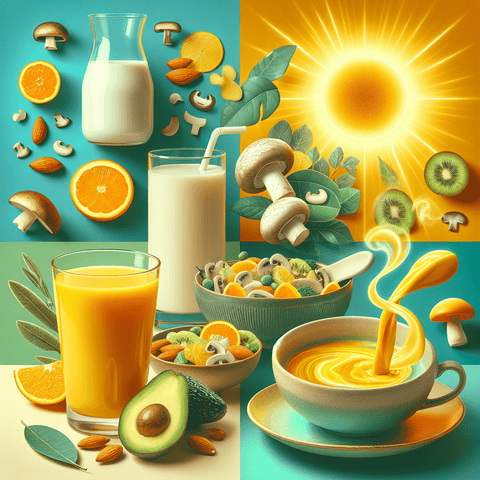
Fortified drinks are beverages that have had one or more nutrients added during production. This broad category includes fortified plant-based drinks, dairy milks with added vitamins, juices with added minerals, and other fortified beverages. For readers exploring dairy-free options, fortified plant-based drinks made from oat, almond, soy, pea, coconut, or rice are a common starting point. This page provides a broad overview of what fortified drinks are, which types exist, and what practical factors may be worth considering.
What Does Fortification Mean in Drinks?
Fortification is the process of adding nutrients to a food or drink that were not originally present, or that were present in lower amounts. In beverages, fortification is used across many product categories. A fortified beverage may have added vitamins, minerals, or other nutrients. Common nutrients added to fortified drinks include calcium, vitamin D, vitamin B12, iron, and zinc. The specific nutrients and amounts vary by product and by category.
Fortification is not the same as enrichment, although the terms are sometimes used interchangeably in everyday language. Enrichment typically refers to adding back nutrients that were lost during processing, while fortification generally refers to adding nutrients that may not have been present originally or adding them in greater amounts. Both approaches are used in beverages. Understanding these distinctions can help readers interpret product labels more clearly.
Major Types of Fortified Drinks
The category of fortified drinks extends beyond plant-based options. Each type of fortified beverage may differ in its base ingredients, the nutrients added, and its typical use context. The following list provides a broad overview of major categories.
- Fortified plant-based drinks: made from bases such as oat, almond, soy, pea, coconut, or rice, often with added calcium, vitamin D, vitamin B12, or other nutrients.
- Fortified dairy milks: cow's milk and other dairy milks with added vitamins or minerals, such as vitamin D or calcium.
- Fortified juices: fruit or vegetable juices with added nutrients such as calcium, vitamin D, or vitamin B12.
- Fortified milkshakes and hot chocolate: blended drinks or warm beverages with added vitamins or minerals.
- Fortified sports drinks: beverages with added electrolytes or other nutrients, often marketed for hydration during physical activity.
- Oral nutrition supplements: specialized fortified drinks used in clinical or healthcare settings, often with a broad range of added nutrients.
Each category has its own conventions for fortification and its own typical nutrient profile. Fortified plant-based drinks, for example, are often chosen by people following dairy-free diets, while oral nutrition supplements are typically used under professional guidance. The nutrient profiles of fortified drinks can vary widely, so comparing labels across categories is generally more meaningful than assuming similarity based on the word "fortified."
Nutrients Commonly Added to Fortified Drinks
Different fortified drinks may include different added nutrients. Some of the nutrients most commonly associated with fortified beverages include calcium, vitamin D, vitamin B12, iron, and zinc. Each of these nutrients has general roles in the body, and fortified drinks are one of several possible dietary sources. The table below provides a broad, non-exhaustive overview.
- Calcium: often added to plant-based drinks and juices; commonly associated with bone and muscle health.
- Vitamin D: frequently added to dairy and plant-based milks; commonly associated with calcium absorption and bone health.
- Vitamin B12: often added to plant-based drinks; commonly associated with normal nervous system function and red blood cell formation.
- Iron: sometimes added to fortified drinks; commonly associated with normal oxygen transport in the blood.
- Zinc: may be added to certain fortified beverages; commonly associated with normal immune function and wound healing.
For readers interested in broader nutrient context, Topvitamine's mineral supplements guide covering iron, zinc, selenium and other minerals provides additional educational background. Similarly, the vitamin D benefits, sources and safety collection offers broader context on vitamin D as a nutrient category. These resources are intended for general educational purposes and do not replace personalized advice from a qualified healthcare professional.
Fortified Plant-Based Drinks: Bases, Flavors, and Formats
Fortified plant-based drinks are a prominent segment within the broader fortified drinks category. They are available in bases such as oat, almond, soy, pea, coconut, and rice, each bringing a distinct texture and flavor profile. Fortification is common in this category, with many products including added nutrients to broaden their nutritional profile.
Flavor variety is a core strength of fortified plant-based drinks. From creamy vanilla and rich chocolate to nutty and fruity blends, there are options to suit different moments. Unsweetened and lightly sweetened variants, as well as seasonal profiles, expand the choices further. As you browse, you may notice products marketed around energy themes, essential nutrients, and flavor-focused profiles.
Formats range from ready-to-drink bottles and cartons to shelf-stable varieties. Some products are designed for refrigeration, while others stay fresh at room temperature until opened. Packaging sizes vary, from single-serving options to larger quarts or liters, and availability spans grocery stores, online shops, and cafe menus. This versatility makes fortified plant-based drinks suitable for a variety of occasions, whether used in coffee, with cereals, or in recipes.
Practical Considerations When Choosing Fortified Drinks
When exploring fortified drinks, several practical factors can help guide selection. These considerations are general and not intended as personalized dietary advice.
- Base ingredient: The base of a plant-based drink, such as oat, almond, soy, pea, coconut, or rice, influences flavor, texture, and how the drink may be used.
- Fortification approach: Check which nutrients have been added and in what amounts. Labels provide this information and can help readers compare products.
- Flavor profile: Sweetened, unsweetened, and flavored variants suit different preferences and occasions.
- Allergen information: Some plant-based drinks may contain or be produced alongside common allergens. Checking labels is important for those with allergies or intolerances.
- Format and storage: Ready-to-drink, refrigerated, and shelf-stable options differ in convenience and storage requirements.
- Production notes: Some brands provide information on sourcing, processing, or sustainability practices, which may be relevant to some readers.
For readers exploring supplements alongside fortified drinks, Topvitamine's multivitamins guide to ingredients, usage and safety provides general educational context on multivitamin products. Such supplements are a separate category from fortified drinks and are mentioned here only for navigational purposes.
Who May Be Interested in Fortified Drinks?
Fortified drinks may be of interest to various groups for different reasons. People following vegan or vegetarian diets may look to fortified plant-based drinks as one way to include nutrients such as vitamin B12 or calcium in their routines. Those with lactose intolerance or dairy allergies may choose dairy-free fortified drinks as alternatives to dairy milk. Older adults may encounter fortified beverages in various contexts, including oral nutrition supplements recommended by healthcare professionals.
Athletes and active individuals may use fortified sports drinks for hydration and electrolyte replacement during or after physical activity. Children may consume fortified drinks as part of a varied diet, although specific dietary decisions for children are best discussed with a pediatrician or registered dietitian. In all cases, fortified drinks are one component of a broader dietary pattern, and individual nutritional needs vary. General information on this page is not a substitute for personalized medical or dietary advice.
Exploring the Topic Further
Fortified drinks, including fortified plant-based beverages, represent a broad and varied category. Understanding what fortification means, which nutrients are commonly added, and what practical factors may matter can help readers navigate this space more confidently. The articles associated with this tag provide deeper explorations of specific questions, comparisons, and use cases within the broader topic. Readers are encouraged to consult qualified healthcare professionals for personalized guidance on dietary choices and nutrient needs.
For broader context on related nutrient and supplement topics, Topvitamine's collection pages offer additional educational resources. These pages are intended for general informational purposes and do not provide medical advice, diagnosis, or treatment recommendations.