Integratori per la salute intestinale: riprendi il comfort digestivo con supporto scientificamente provato


Benvenuto in una guida sugli integratori per la salute intestinale. Questa pagina evidenzia prodotti descritti come supportati dalla scienza e progettati con ingredienti comunemente studiati nella ricerca sulla salute intestinale. Sebbene i risultati individuali possano variare e non tutte le prove siano definitive, comprendere cosa contengono questi integratori e come vengono valutati può aiutarti a orientarti tra le opzioni. Il focus qui è sul concetto di integratori per la salute intestinale e sui fattori che influenzano qualità, sicurezza e trasparenza. Le categorie tipiche che troverai includono probiotici (microrganismi vivi), prebiotici (fibre non digeribili che supportano le comunità microbiche), fibre alimentari, enzimi digestivi e botanici. Ogni categoria compare nelle discussioni scientifiche sulla funzione intestinale, sull’attività del microbioma e sulla lavorazione dei nutrienti. Il termine supportato dalla scienza indica che esistono alcuni studi o revisioni, anche se la forza e la rilevanza delle prove possono differire in base all’ingrediente, alla ceppa, alla dose e alla popolazione. La scelta degli integratori per la salute intestinale implica la valutazione dei dettagli del prodotto: identificazione della ceppa e unità formanti colonie per i probiotici, provenienza degli ingredienti, standard di produzione e test da parte di terze parti. Cerca etichette chiare, elenchi degli ingredienti, fasce di dosaggio suggerite e informazioni sugli allergeni. È opportuno considerare la stabilità, le esigenze di conservazione e se il prodotto sia stato sottoposto a audit da organizzazioni indipendenti. Poiché i livelli di evidenza variano, consulta fonti primarie e professionisti sanitari come parte del processo decisionale. In definitiva, gli integratori per la salute intestinale sono una parte di un approccio più ampio al benessere digestivo. Questa pagina mette in evidenza opzioni supportate dalla scienza e pratiche trasparenti, aiutandoti a confrontare i prodotti secondo i tuoi criteri. Se decidi di esplorare gli integratori per la salute intestinale, prediligi marchi che offrano dettagli approfonditi sugli ingredienti, test affidabili e indicazioni sull’uso responsabile.


Digestive Enzymes vs Probiotics: Which One Should You Take? - Topvitamine
Jul 31, 2026
Enzimi digestivi e probiotici svolgono funzioni diverse: gli enzimi scompongono il cibo in nutrienti assorbibili, mentre i probiotici contribuiscono all'equilibrio della flora intestinale. Questa guida spiega le differenze, in quanto tempo fanno effetto, quale scegliere in base ai sintomi, chi dovrebbe evitare gli enzimi digestivi e se conviene assumerli insieme, con consigli pratici per scegliere integratori di qualità e risposte alle domande più frequenti.
Gut lining supplements - Topvitamine
Jul 30, 2026
Gli integratori per la mucosa intestinale uniscono L-glutammina, zinco, quercetina, erbe mucillaginose, probiotici e colostro bovino per sostenere la normale funzione di barriera intestinale. Questa guida spiega come agiscono i principali ingredienti, quali dosi sono state utilizzate negli studi, come leggere un'etichetta e scegliere un prodotto di qualità, con indicazioni su dieta, tempi di utilizzo, sicurezza e casi in cui rivolgersi a un medico.
10 Best Supplements for Gut Health (What Actually Works in 2026) - Topvitamine
Apr 28, 2026
Le formule di enzimi digestivi combinano enzimi come amilasi, proteasi, lipasi e lattasi per aiutare a scindere amidi, proteine, grassi e lattosio. Questa guida spiega cosa contengono, quali segnali possono suggerirne l'uso, quali sono i limiti di sicurezza e come confrontare le formule in base a spettro enzimatico, attività, forma della capsula e prezzo per dose. Un contenuto informativo che non sostituisce il parere di un professionista sanitario.
10 Alternatives to Probiotics That May Work Better - Topvitamine
Apr 24, 2026
Per aumentare la flora intestinale contano prima di tutto dieta e abitudini quotidiane: fibre variate, alimenti prebiotici, alimenti fermentati come yogurt e kefir, polifenoli, movimento, sonno e gestione dello stress. Questa guida esplora 10 strategie concrete e i principali integratori per la flora intestinale, i segnali di uno squilibrio, come sostenere il recupero dopo un ciclo di antibiotici e come valutare un prodotto di qualità in modo informato e sicuro.
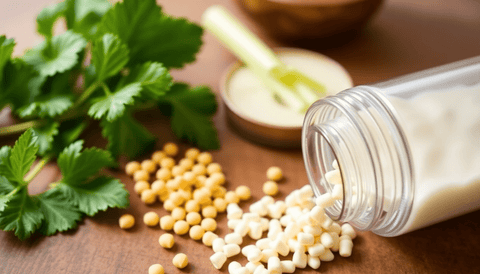
Probiotics 101: Best Probiotic Strains for Your Gut Health - Topvitamine
Jul 21, 2025
I migliori ceppi probiotici non sono uguali per tutti: l’efficacia dipende dal ceppo preciso, dall’obiettivo, dalla formulazione e dalla qualità del prodotto. Questa guida spiega le differenze tra Lactobacillus e Bifidobacterium, come leggere un’etichetta, valutare CFU e conservazione e scegliere tra capsule, polveri e altri formati. Include inoltre indicazioni generali sulla sicurezza, anche per chi assume infliximab o altri farmaci.

Best Supplements for Gut Health and Digestion in 2025 | Topvitamine - Topvitamine
Jul 06, 2025
I migliori integratori per la digestione dipendono dal disturbo, dalla formulazione e dalle esigenze individuali: non esiste un prodotto adatto a tutti. Questa guida spiega le differenze tra probiotici, enzimi digestivi e prebiotici, come valutare ceppi, ingredienti ed eventuali allergeni e quali precauzioni adottare. Troverai anche risposte sulle allergie agli enzimi, sui probiotici senza allergeni e sui casi in cui è opportuno chiedere consiglio a un professionista sanitario.

Welcome to our guide on gut health supplements. This page is designed to be your starting point for understanding the various types of supplements that support digestive wellness. Here, we break down the main categories—like probiotics, prebiotics, and digestive enzymes—and explain the key factors that determine their quality and effectiveness. Whether you're new to the topic or looking to refine your approach, this guide provides a clear, high-level overview to help you make informed decisions.

What Are the Main Types of Gut Health Supplements?

The term 'gut health supplement' covers several distinct product categories, each working in a different way within the digestive system. Understanding these core types is the first step in navigating your options.

The most widely discussed categories include:

  • Probiotics: These are live microorganisms, typically bacteria or yeast, that are intended to support the community of beneficial microbes in your gut. They are often identified by their specific strain (e.g., Lactobacillus rhamnosus) and their potency in Colony Forming Units (CFUs).
  • Prebiotics: These are non-digestible fibers that act as food for the beneficial bacteria in your gut. By nourishing these microbes, prebiotics help support a thriving internal ecosystem. Common sources include inulin, fructooligosaccharides (FOS), and galactooligosaccharides (GOS).
  • Digestive Enzymes: These are proteins that help break down food into smaller, more easily absorbed nutrients. Supplements may contain enzymes like proteases (for protein), lipases (for fat), and amylases (for carbohydrates).
  • Dietary Fibers: Beyond prebiotics, general fiber supplements like psyllium husk can support regularity and overall digestive health by adding bulk to the stool.
  • Botanicals: Certain herbs and plant extracts are traditionally used to support digestion. Examples include ginger, peppermint, and chamomile, which are often used for their soothing properties.

Many of these categories, especially probiotics and prebiotics, are often discussed together as 'synbiotics' because of their complementary roles in supporting gut health.

Why is Understanding Your Gut Microbiome Important?

The gut microbiome—the trillions of bacteria, viruses, and fungi that live in your digestive tract—plays a significant role in digestion, nutrient absorption, and the immune system. The composition of this internal ecosystem is unique to each individual and influenced by factors like diet, age, stress, and medication use.

While an imbalance in gut bacteria is not a formally defined medical diagnosis in all contexts, it is a concept often discussed in relation to digestive discomfort. Signs often cited as potential indicators of an imbalance include persistent bloating, gas, irregular bowel movements, and food intolerances. It's important to note that these symptoms can be caused by many different health conditions, and it's always best to talk with a doctor if you are concerned about your digestive health.

Key Factors to Consider When Choosing a Product

If you are thinking about trying a gut health supplement, the quality and formulation of the product matter greatly. The marketplace is diverse, so a high-level understanding of what to look for can help you discern between options. Consider the following:

Labeling and Ingredient Transparency

Look for products that provide clear and complete information. For probiotics, this includes the specific genus and species of bacteria, the exact strain designations, and the CFU count at the time of expiry, not just at the time of manufacture. Complete ingredient lists and clear allergen information are essential.

Manufacturing and Testing Standards

Reputable brands invest in good manufacturing practices (GMP) and may have their products independently tested by third-party laboratories. These tests verify that the product contains what the label says and is free from harmful contaminants. This can provide additional confidence in the product's quality.

Stability and Viability

Some organisms used in probiotic supplements are delicate. Check if the product requires refrigeration or has special storage instructions. Also, look for strains that have been studied for their ability to survive stomach acid and reach the intestines intact.

How to Approach a 'Gut Reset' or Cleanse

You may see information about '7-day gut resets' or quick cleanses. These programs typically involve eliminating certain foods and consuming specific supplements for a short period. While they may lead to short-term changes in digestive comfort, their long-term effectiveness is not supported by strong scientific consensus.

Instead of a quick fix, a more sustainable and evidence-based approach focuses on consistent daily habits. This includes a varied diet rich in whole foods, regular physical activity, adequate sleep, and stress management. Adding a supplement like a prebiotic or probiotic to this routine may offer support, but it's most beneficial as a complement to a healthy lifestyle rather than a replacement for it.

The Role of Nutrients in Digestive Wellness

Beyond dedicated gut health products, other nutrients and supplement categories play a supporting role in digestion. For example, certain vitamins and minerals are essential for normal muscle function, including the muscles of the digestive tract. Maintaining a balanced intake of these nutrients is a foundational part of overall wellness.

You can explore a wide range of options from our probiotics and prebiotics supplements collection to see the types of products available. For a broader look at nutritional support, our multivitamins guide provides information on how different vitamins and minerals contribute to general health.

Final Considerations and How to Explore Further

Digestive health is a complex and personal topic. There is no one-size-fits-all solution, and the effectiveness of a supplement can vary widely from person to person. The information on this page is for educational purposes and should not replace professional medical advice.

As you continue your research, you will find articles that dive deeper into specific strains, specific comparisons, and specific symptoms. This page is your high-level map; those articles are the detailed tours of individual territories. Always consult with a healthcare provider to discuss what approach might be best for your individual needs.