
questo pagina esamina gli effetti sulla salute della carenza di vitamina D. Descrive come i livelli bassi possano intersecarsi con la salute delle ossa, l'umore e i processi immunitari. La discussione sottolinea che gli effetti sono variabili e dipendono da fattori come età e stile di vita. Approcciando l'argomento in relazione a queste aree, i lettori ottengono una comprensione più chiara di ciò che si osserva quando i livelli di vitamina D sono inferiori ai valori tipici. Per le ossa, gli effetti sulla salute della carenza di vitamina D sono spesso discussi in relazione alla struttura e allo sviluppo osseo. Si esamina come i livelli bassi possano influenzare la crescita e la rimodellatura delle ossa, con attenzione ai gruppi in cui i cambiamenti possono essere più evidenti. I meccanismi sono complessi e i risultati possono variare tra gli individui. Per l'umore, la relazione tra lo stato di vitamina D e il benessere emotivo viene esplorata in contesti di ricerca. Alcuni studi riportano associazioni con fluttuazioni dell'umore, mentre altri evidenziano variabilità e l'influenza di molteplici fattori. La conclusione è che le esperienze legate all'umore possono essere osservate in relazione a bassi livelli, anche se non in ogni caso. Per l'immunità, i ricercatori esaminano come i processi immunitari possano essere collegati allo stato di vitamina D, notando differenze tra le popolazioni e le condizioni. Data la complessità, rimane importante considerare le circostanze individuali e consultare professionisti sanitari qualificati per informazioni personalizzate.
deficienza di vitamina D: sorprendenti effetti sulla salute di ossa, umore e immunità
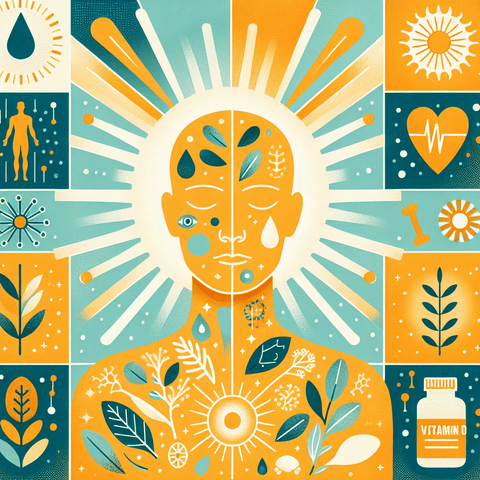
Vitamin D deficiency is a common concern that can have wide-ranging effects on health. This page provides a broad overview of the health effects of vitamin D deficiency, covering the main symptoms, long-term consequences, risk factors, and general approaches to diagnosis and prevention. It is intended as a topical hub that introduces the major dimensions of the subject and helps you navigate to more detailed articles.
What Is Vitamin D Deficiency?
Vitamin D is a fat-soluble nutrient that the body can produce when skin is exposed to sunlight. It is also available from certain foods and supplements. When levels fall below a certain threshold, the body may not have enough vitamin D to support its normal functions. This state is generally referred to as vitamin D deficiency.
Deficiency is typically identified through a blood test that measures 25-hydroxyvitamin D. What counts as deficiency can vary slightly depending on the guideline being followed, but it generally indicates a level low enough to potentially affect health. The effects of deficiency are not always obvious and can develop gradually over time.
Common Symptoms and Signs of Low Vitamin D
The symptoms of vitamin D deficiency are often nonspecific, meaning they can be caused by many other factors. Some people with low levels experience no obvious symptoms at all. When symptoms do appear, they may include:
- Persistent fatigue or tiredness
- Bone pain or aching
- Muscle weakness or cramps
- Mood changes, such as low mood
- Impaired immune function (more frequent infections)
These signs are not unique to vitamin D deficiency and should not be used for self-diagnosis. If you are concerned about any of these symptoms, it is important to consult a healthcare professional for proper evaluation.
Long-Term Health Consequences of Vitamin D Deficiency
When vitamin D deficiency persists over time, it may contribute to a range of health issues. Research has explored associations between low vitamin D status and various conditions, though causality is not always established. The long-term effects most commonly discussed include:
- Reduced bone density and increased risk of osteoporosis
- Higher likelihood of bone fractures
- Possible associations with certain cancers
- Links to autoimmune diseases
- Potential connection to hypertension and diabetes
These associations do not mean that vitamin D deficiency directly causes these conditions. Many factors influence health, and deficiency may be one contributing element. For detailed discussions of specific conditions, you can explore the individual articles on this topic.
Causes and Risk Factors for Vitamin D Deficiency
Several factors can increase the likelihood of vitamin D deficiency. These include:
- Limited sun exposure due to indoor lifestyle, climate, or sunscreen use
- Dietary insufficiency (few foods naturally contain vitamin D)
- Malabsorption conditions, such as celiac disease or Crohn's disease
- Obesity, as vitamin D can be sequestered in fat tissue
- Certain medications that affect vitamin D metabolism
People with darker skin, older adults, and those who cover their skin for cultural or religious reasons may also be at higher risk. Understanding these factors can help you assess whether you might benefit from having your levels checked.
Diagnosis and Treatment Options
Diagnosis of vitamin D deficiency is straightforward: a blood test measures the level of 25-hydroxyvitamin D. If levels are low, a healthcare professional may recommend treatment. Treatment typically involves supplementation with vitamin D, often in the form of D2 or D3. The dosage and duration depend on the severity of deficiency and individual factors.
It is important not to self-prescribe high doses of vitamin D without medical guidance, as excessive intake can be harmful. A doctor can also help identify underlying causes and monitor your progress.
Prevention Strategies and Recommended Intake
Preventing vitamin D deficiency often involves a combination of lifestyle measures. Getting some sunlight on a regular basis—while being mindful of skin protection—can help the body produce vitamin D. Dietary sources include fatty fish, egg yolks, and fortified foods like milk and some cereals.
For many people, supplements may be necessary to maintain adequate levels, especially when sun exposure is limited. Recommended intakes vary by age, life stage, and individual risk factors. General guidelines exist, but a healthcare provider can offer personalized advice.
Special Considerations and Interactions
Some questions about vitamin D deficiency relate to specific situations, such as interactions with medications. For example, diltiazem (a calcium channel blocker) may interact with vitamin D metabolism, but this is a topic that requires professional medical advice. Similarly, certain health conditions can affect how the body handles vitamin D.
If you take prescription medications or have a chronic health condition, it is best to discuss vitamin D supplementation with your doctor. This page provides general information and is not a substitute for personalized medical guidance.
Exploring Related Topics
To support your broader understanding of vitamin D and related nutrients, you may find these topical pages useful. They cover general categories of supplements and nutritional topics that often come up when discussing vitamin D deficiency.
- Explore our vitamin D benefits, sources, and safety collection for a deeper look at this nutrient.
- Learn about calcium and its role in bone and muscle health, which is closely connected to vitamin D.
- Browse our multivitamins guide for information on combination supplements that may include vitamin D.
For more specific questions about vitamin D deficiency—such as detailed symptom lists, long-term effects, or interactions—please refer to the individual articles tagged under this topic. They provide deeper dives into the aspects that matter most to you.