
Questo contenuto esplora come i sintomi ematologici e neurologici possano influenzare la tua salute, evidenziando segnali di avvertimento comuni, indicazioni su quando cercare assistenza e passi pratici per rimanere informati. Comprendendo come questi sintomi siano collegati alla funzione del sangue e del sistema nervoso, puoi riconoscere meglio i cambiamenti che potrebbero richiedere attenzione. L'obiettivo è promuovere consapevolezza e preparazione senza assumere risultati medici specifici. I sintomi ematologici si riferiscono a segnali legati al sangue e ai processi di formazione del sangue. Osserva eventuali sanguinamenti o ecchimosi insoliti, pelle o unghie pallide persistenti, affaticamento o debolezza, mancanza di respiro durante le attività, vertigini o senso di leggerezza alla testa. Questi segni possono variare in intensità e durata, e ricordare quando sono iniziati, come si sono evoluti e quanto sono durati può aiutarti a discutere le preoccupazioni con un professionista sanitario. Tenere traccia di questi cambiamenti fa parte di un approccio proattivo alla tua salute. I sintomi neurologici coinvolgono il sistema nervoso e possono manifestarsi come cambiamenti in senso, movimento o funzione mentale. Attenta a mal di testa diversi dal solito, formicolio o debolezza improvvisa (specialmente da un lato), difficoltà a parlare o comprendere discorsi, cambiamenti alla vista, vertigini o problemi di equilibrio, o nuovo stato di confusione o crisi epilettiche. Se noti cambiamenti neurologici improvvisi o persistenti, è appropriato cercare guida da un medico per comprendere le cause potenziali e i successivi passi. Consigli pratici per rimanere informati e preparati includono mantenere un registro semplice dei sintomi che catturi l'inizio, la durata e l'intensità, in modo da poter condividere un quadro chiaro con i professionisti della salute. Sapere con chi entrare in contatto per domande non urgenti e quando rivolgersi a un pronto soccorso o assistenza urgente per cambiamenti gravi o che peggiorano rapidamente. Mantenere un elenco aggiornato dei farmaci e delle allergie, e avere un piano su come accedere alle cure se i sintomi si presentano, includendo dettagli chiari sulla tua storia medica e eventuali antecedentes familiari rilevanti. Questi passi supportano una consapevolezza proattiva dei sintomi ematologici e neurologici senza fare affermazioni specifiche sui trattamenti o sui risultati.
Sintomi ematologici e neurologici: cosa significano per la tua salute
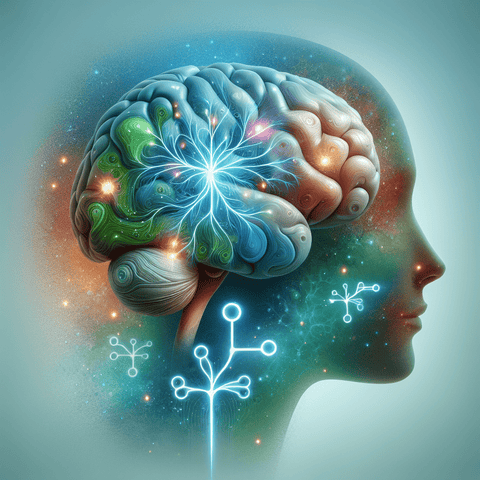
Hematologic and neurological symptoms are two broad categories of health signals that can sometimes appear together. Hematologic symptoms relate to blood and blood-forming processes, while neurological symptoms involve the nervous system. Because blood supports the delivery of oxygen and nutrients throughout the body, changes in blood health can sometimes influence how the nervous system functions. This page offers a high-level overview of these symptoms, their potential overlap, and practical steps for staying informed.
This content is for general educational purposes only and is not a substitute for professional medical advice, diagnosis, or treatment. Always consult a qualified healthcare provider about your individual health concerns.
What Are Hematologic Symptoms?
Hematologic symptoms are signals tied to blood and the processes that form blood components. They can reflect changes in red blood cells, white blood cells, platelets, or clotting factors. Common hematologic symptoms may include:
- Unusual bleeding or bruising
- Persistent paleness of the skin, lips, or nail beds
- Fatigue or weakness that does not improve with rest
- Shortness of breath during routine activities
- Dizziness or a sense of lightheadedness
These symptoms can vary widely in intensity and duration. Some may develop gradually, while others appear more suddenly. Keeping track of when symptoms begin, how they change over time, and what seems to trigger or relieve them can help you describe your experience clearly to a healthcare professional.
What Are Neurological Symptoms?
Neurological symptoms involve the nervous system, including the brain, spinal cord, and peripheral nerves. They can affect sensation, movement, cognition, or consciousness. Examples include:
- Headaches that are different from your usual pattern
- Sudden numbness or weakness, especially on one side of the body
- Trouble speaking or understanding speech
- Vision changes
- Dizziness or balance problems
- New confusion or seizures
If you notice abrupt or persistent neurological changes, it is appropriate to seek guidance from a clinician. Some neurological symptoms may be associated with underlying conditions, including certain hematologic disorders, because the nervous system relies on a steady supply of oxygen and nutrients from the blood.
How Hematologic Disorders Can Affect the Nervous System
The relationship between blood and the nervous system is complex. Blood delivers oxygen, glucose, and other essential substances to nerve cells, and it helps remove waste products. When blood composition or function is altered—such as in anemia, thrombotic disorders, or other hematologic conditions—the nervous system may be affected in various ways. For example, severe anemia can reduce oxygen delivery to the brain and nerves, potentially contributing to symptoms like fatigue, dizziness, or difficulty concentrating. However, these are general associations and not diagnostic rules. Only a healthcare professional can determine whether a specific symptom is related to a hematologic condition.
Diagnostic Approaches for Neurological Symptoms with Possible Blood-Related Causes
When neurological symptoms are present, a clinician may consider a range of potential causes, including hematologic ones. Diagnostic approaches can include:
- Blood tests to assess red blood cells, white blood cells, platelets, iron levels, vitamin B12, folate, and other markers
- Imaging studies such as MRI or CT scans to evaluate the brain and spinal cord
- Neurological examinations to assess reflexes, coordination, sensation, and cognitive function
- Additional tests as determined by your healthcare provider based on your specific symptoms and history
Bloodwork can provide valuable information about underlying conditions, but it cannot diagnose all neurological issues on its own. A comprehensive evaluation often combines multiple types of assessments.
Practical Steps for Tracking Symptoms and Seeking Care
Keeping a simple symptom log can be a useful way to stay organized. Consider noting:
- When the symptom started
- How long it lasted
- How intense it felt
- Anything that seemed to make it better or worse
Know whom to contact for non-urgent questions and when to seek urgent or emergency care. Severe or rapidly worsening symptoms—such as sudden weakness, difficulty speaking, or loss of consciousness—require immediate medical attention. Maintain a current list of medications and allergies, and have a plan for accessing care if symptoms arise. Sharing clear details about your medical history and any relevant family health history can help your healthcare provider better understand your situation.
Nutritional Considerations and Supplement Categories
Nutrition plays a role in supporting blood health and nervous system function. For example, iron, vitamin B12, folate, and other nutrients are involved in red blood cell production and neurological processes. If you are exploring nutritional supplements, it may be helpful to understand the broader categories available. Our mineral supplements guide covers iron, zinc, and other minerals. For B-vitamin-related products, you can browse our vitamin B category. Additionally, our vitamin K category provides information on vitamin K, which is involved in blood clotting. These categories are provided for general navigation and do not imply that any supplement can prevent, treat, or cure any condition. Always consult a healthcare professional before starting any new supplement, especially if you have a medical condition or take medication.
When to Seek Medical Help
Certain symptoms require prompt medical evaluation. Seek urgent care or emergency services if you experience:
- Sudden numbness or weakness, especially on one side of the body
- Difficulty speaking or understanding speech
- Sudden severe headache or vision changes
- Loss of consciousness or seizures
- Uncontrolled bleeding or bruising that appears without explanation
For non-urgent concerns, schedule an appointment with your healthcare provider to discuss your symptoms and determine appropriate next steps. This page is not a substitute for professional medical advice, and no information here should be used to diagnose or treat any health condition.