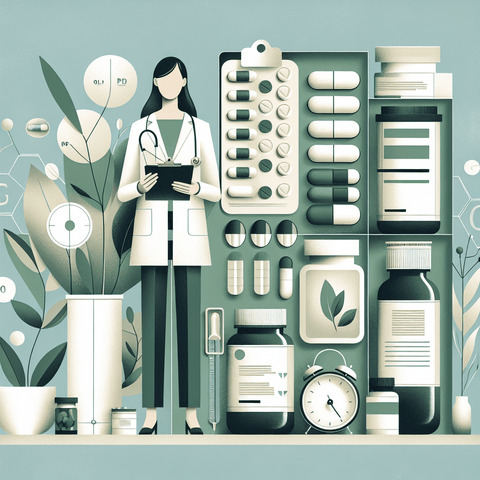
Herb e Sicurezza dei Medicamenti: Come Prevenire Interazioni Pericolose e Effetti Collaterali


Impara come la sicurezza di erbe e farmaci può prevenire interazioni pericolose e effetti collaterali. Questa pagina si concentra su consigli pratici, segnali di allerta e passaggi che puoi seguire per proteggerti comprendendo come le erbe e i medicinali possono interagire e organizzando le informazioni che condividi con i professionisti sanitari. I consigli pratici includono mantenere un elenco aggiornato di tutte le erbe, gli integratori e i farmaci che utilizzi. Porta questo elenco a ogni visita medica e condividilo con medici e farmacisti. Prima di iniziare una nuova erba o un integratore, consulta un professionista qualificato riguardo le potenziali interazioni. Leggi le etichette dei prodotti e gli elenchi degli ingredienti, e evita di usare più prodotti che condividono gli stessi componenti attivi. Non modificare le dosi né interrompere terapie senza guida professionale. I segnali di allerta da tenere d’occhio includono sintomi nuovi o insoliti dopo aver iniziato un’erba o un farmaco, un cambiamento nell’efficacia di una terapia o reazioni inattese quando si combinano prodotti. Se noti uno di questi segnali, interrompi l’uso e chiedi prontamente consiglio a un medico o farmacista. Le interazioni possono verificarsi anche con prodotti che sembrano innocui, quindi mantenere alta la vigilanza è fondamentale per la sicurezza di erbe e farmaci. I passaggi per proteggere la tua salute coinvolgono la collaborazione con i professionisti sanitari, la divulgazione di ogni sostanza che utilizzi e l’uso di risorse affidabili per verificare le interazioni. Stabilisci un piano semplice per rivedere regolarmente il tuo regime, tieni una lista di controllo chiara per le discussioni durante gli appuntamenti e le emergenze, e assicurati che il team di cura abbia accesso alle tue informazioni aggiornate. Applicando queste pratiche, sostieni la sicurezza continua di erbe e farmaci.


What to Know About Mixing Supplements With Prescription Medications Safely - Topvitamine
Aug 27, 2025
Le interazioni tra integratori e farmaci possono modificare l’assorbimento, il metabolismo o gli effetti di una terapia. Questa guida spiega perché calcio, ferro, magnesio, vitamina K, omega-3 e alcuni estratti vegetali richiedono attenzione, come organizzare gli orari e quali informazioni portare al farmacista. Troverai anche risposte pratiche su levotiroxina, vitamina D, anticoagulanti e combinazioni di vitamine.

Herb and medication safety is a vital topic for anyone who uses herbal supplements, whether occasionally or as part of a daily routine. As natural products become more common, it's important to understand that "natural" does not automatically mean "without effect." Herbs contain active compounds that can interact with prescription drugs, over-the-counter medicines, and even other supplements. This page provides a broad, practical introduction to this important subject. We will explore why interactions happen, the types of risks to be aware of, and the key steps you can take to build a safe and effective approach to using herbal products alongside conventional care.

What Does Herb and Medication Safety Mean?

At its core, herb and medication safety involves understanding the potential for interactions between herbal supplements and pharmaceutical drugs. An interaction occurs when one substance changes the way another substance behaves in the body. This can be a complex process, influenced by how a herb is processed and the specific properties of a drug. The field also covers the safety of using herbs on their own, highlighting the importance of quality, dosing, and awareness of individual sensitivities. A key principle of this safety concept is that responsibility is shared: it rests with consumers to be informed and transparent, and with healthcare professionals to ask the right questions.

Several factors contribute to the risk of interactions, including how a herb affects liver enzymes that break down drugs, the potential for additive effects (such as two blood-thinning substances), and direct chemical reactions. Because the landscape of both herbal products and medications is vast, the practical approach to safety is rooted in communication and vigilance, rather than memorizing every potential interaction.

Why Is This Topic Important for Supplement Users?

The importance of this topic lies in its direct connection to personal health and the effectiveness of medical treatments. When a herb and a medication interact, the consequences can range from the medication not working as well to an increased risk of side effects. For example, certain herbs can diminish the efficacy of medications used for chronic conditions like heart disease or depression, while others might enhance the effect of sedatives or blood thinners, leading to unexpected outcomes.

Understanding these risks is the first step toward prevention. It empowers you to have more productive conversations with your doctors and pharmacists, allowing them to make safer and more effective recommendations. It underscores the necessity of treating herbal supplements with the same respect and caution as any medication. This topic is not about creating fear, but about fostering a realistic and informed perspective on how to integrate all aspects of your health regimen safely.

Key Concepts and Common Concerns

Several core concepts are essential for navigating herb and medication safety. The following are key areas that you may encounter in discussions and research on this topic.

Herbs That Interfere with Medications

A common and important concern involves herbs that have a known potential to interfere with certain medications. This interference can make a drug less effective or, conversely, increase its concentration in the blood to unsafe levels. While it is impossible to list every combination, certain herbs are frequently highlighted for their potential to affect drug metabolism. These include St. John's Wort, known to affect enzymes that process many drugs, and herbs like ginkgo or ginseng, which may influence blood clotting or other physiological processes.

The most practical approach is not to assume a herb is safe, but to proactively check with a qualified professional, especially if you take medication for a chronic condition. Always mention all supplements you are taking when a healthcare provider prescribes a new medication.

Are Herbal Medicines Safe to Take?

Using herbal medicines safely is a primary goal. The safety of any herb depends on several factors, including the product's quality, the dosage, the user's individual health status, and potential interactions with other substances. A wide range of herbs are considered generally safe for many people when used appropriately. However, there is a significant difference between using a herbal tea occasionally and taking a concentrated supplement extract daily, especially alongside other medications.

The key to answering this question lies in the approach. View herbal medicines with the same caution as any active substance. Research reputable brands that follow good manufacturing practices, start with the lowest effective dose, and always inform your healthcare team. This balanced perspective is the foundation of safe use.

Using Herbs and Drugs Together: The Right Approach

Combining herbs and drugs is not inherently wrong, but it requires a careful and structured approach. It is essential to understand that a drug's effect in the body is often meticulously balanced, and other compounds can easily disrupt that balance. A professional, such as a pharmacist or doctor, can assess the specific medication and herb in question to advise on potential risks.

This approach involves meticulous record-keeping and honest communication. Keeping a complete list of everything you take is a foundational step. Before starting any new herb or supplement, ask your healthcare provider, "Could this interact with my current medications?" Expect a thorough answer or a commitment to check. Avoid self-medicating with herbs while taking serious medications without this professional guidance.

Building Your Personal Safety Plan

Creating and maintaining a practical safety plan is the most effective way to protect your health. This plan should be simple, consistent, and centred on open communication. The following steps provide a framework for managing your regimen safely.

Step 1: Maintain a Complete and Updated List

Your first line of defense is a current list of every substance you consume. This includes prescription medications, over-the-counter drugs, herbal supplements, vitamins, and minerals. It should detail the name of the product, the dosage, and the frequency of use. It is helpful to store this list on your phone or as a paper copy in your wallet and update it every time you start or stop anything.

Bring this list to every doctor's appointment, including specialist visits and dental checkups. Show it to your pharmacist every time you fill a prescription or are considering buying a new over-the-counter product. This consistent practice ensures that every part of your care team is working with the same, complete picture.

Step 2: Know the Red Flags and Warning Signs

Being vigilant about changes in your body is crucial. While you should always consult a professional, there are some general red flags that warrant attention. These include the appearance of new or unusual symptoms after starting a new herb or medication, a noticeable change in how well your current therapy seems to be working, or an unexpected reaction when you combine products.

  • Unexpected side effects like dizziness, unusual fatigue, or digestive upset.
  • A feeling that your medication is not managing your condition as well as it used to.
  • Any new skin rashes, swelling, or changes in heart rate or blood pressure.

If you notice any of these signals, pause the use of the herb or supplement and seek guidance from a clinician or pharmacist promptly. Do not wait for the next scheduled appointment if the issue feels serious. The fact that a product is "natural" does not mean it is incapable of causing significant side effects when combined with a drug.

Step 3: Communicate Proactively and Regularly

Communication is the hinge of safety. Disclose every substance you use to every healthcare professional you meet. Ask questions. If you are considering a new herbal supplement, ask your pharmacist for their professional opinion. If you are taking a medication, ask your doctor whether it is safe to add a specific herb. It is also helpful to establish a routine of reviewing your entire regimen card with your primary care physician at least once a year. This practice not only reduces risk but also builds a stronger, more collaborative relationship with your care team.

Navigating the Herbal Supplement Landscape

The world of herbal supplements is vast and varied, from single-ingredient extracts to complex traditional formulas. Understanding the landscape helps you ask better questions and appreciate the importance of product quality. When considering a herbal supplement, it is prudent to look for brands that openly discuss their sourcing and manufacturing processes. For a broader look at how to select and use these types of products responsibly, our guide to herbal supplements offers a detailed overview of sourcing and safety. Additionally, if you are specifically interested in the properties of individual herbs from a culinary and health perspective, you may find the curcumin safety and uses guide to be a helpful resource for understanding the complexity of a single compound.

The Role of Quality and Regulation

Product quality is a significant factor in herb and medication safety. Unlike pharmaceutical drugs, herbal supplements are often regulated as foods in many jurisdictions, which typically means they are not subject to the same rigorous pre-market approval processes. This makes it essential for consumers to be extra cautious about the supplements they choose to use. Always opt for products from established brands that voluntarily follow Good Manufacturing Practices (GMP). These standards help ensure a degree of quality, purity, and accurate labeling. This level of quality control is especially important when taking medications, as a supplement with the wrong ingredients or an inconsistent dose could severely impact its safety profile.

In addition to focusing on quality, be wary of products that make outlandish or overly broad claims. A reputable supplement will not promise a cure-all. If a marketing claim seems too good to be true, it likely is. A healthy dose of skepticism is a powerful protective tool when navigating the supplement market.

Key Takeaways for Safe Co-Use

To navigate the intersection of herbal remedies and conventional medicine safely, it's helpful to distill the information into clear, practical steps. The following points form a strong foundation for safety.

  • Always disclose all supplements, herbs, and medications to your healthcare providers.
  • Before starting any new herb or supplement, actively ask a professional about potential interactions.
  • Read product labels and ingredient lists carefully, and be wary of duplicate ingredients across multiple products.
  • Monitor how you feel and be alert to any new or unusual signs that could indicate an interaction.
  • Choose supplements from vendors who demonstrate a commitment to quality and transparency.

By integrating these habits into your routine, you are taking active, responsible steps to protect your health. The topic of herb and medication safety is ultimately about partnership—between you, your healthcare team, and the products you choose to use. We encourage you to use this guide as a starting point for deeper conversations with your clinicians and as a framework for making informed decisions about your health and wellness.