
Discover the real herbal supplement benefits for everyday wellness. This page focuses on what “herbal supplement benefits” can mean in a practical, consumer-friendly sense: clearer ingredient lists, transparent sourcing, and how products fit into daily routines. The aim is to discuss quality, usage considerations, and the overall experience of choosing and using herbal products—without making medical claims—so readers can approach herbal supplements with confidence and curiosity. Herbal supplement benefits are often described in marketing materials with terms related to vitality, energy, or immune themes. Here we examine those phrases critically: what claims are stated, what evidence is cited, and how to read indicators like extract type, dosage, and serving size. By prioritizing reliable labeling and transparent sourcing, you can better understand the context in which a product is offered and how it fits into your expectations about herbal supplement benefits. Safe usage tips to consider include following label directions, noting any contraindications or potential interactions with medications, and avoiding excessive use. Look for products that provide information on standardization, batch numbers, and third-party testing. If you are pregnant, nursing, or managing a medical condition, consult a qualified professional before use. Store products as directed, monitor for any adverse reactions, and keep them out of reach of children. To maximize your understanding of herbal supplement benefits, start by clarifying your goals and preferences, then compare products using solid quality signals such as sourcing, certifications, and transparency. Rely on reputable sources for information, read labeling carefully, and differentiate marketing language from substantiated details. A thoughtful, critical approach helps you make informed choices and find options that align with your daily routines.
Sblocca i veri benefici degli integratori naturali per il benessere quotidiano
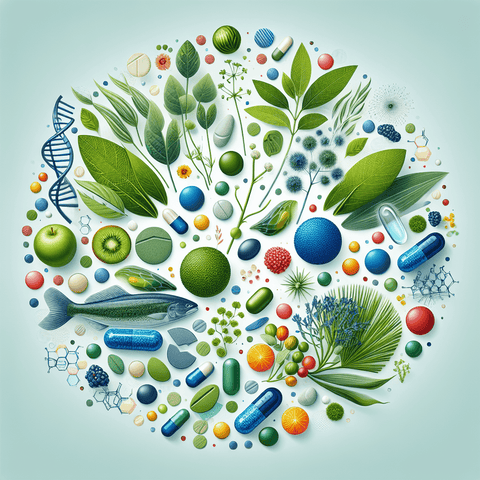
The term “herbal supplement benefits” often brings to mind a wide range of promises, from increased energy to better immune support. But navigating the world of botanicals can feel overwhelming without a clear map. This guide serves as your starting point, offering a practical and balanced overview of what herbal supplements are, how they are used, and what to look for when considering them. We will explore the different forms these supplements take, the importance of quality and sourcing, and the crucial safety considerations that should always be part of the conversation.
What Are Herbal Supplements?
At their core, herbal supplements are products made from plants. This can include the entire plant, or just specific parts like the root, leaf, seed, or flower. They are available in many forms, including capsules, tablets, teas, tinctures, and powders. Unlike pharmaceutical drugs, which are typically synthesized and have a single active ingredient, herbal supplements are complex mixtures of many naturally occurring compounds.
Herbal Supplements vs. Dietary Supplements
It’s helpful to understand the distinction between herbal supplements and the broader category of dietary supplements. A dietary supplement is a general term that includes vitamins (like vitamin D or C), minerals (like magnesium or calcium), amino acids, and other substances intended to supplement the diet. An herbal supplement is a specific sub-category of dietary supplement where the primary ingredients are botanicals—plants or parts of plants. So, while all herbal supplements are dietary supplements, not all dietary supplements are herbal.
Learning about the fundamentals of different supplement types can be helpful. For instance, you can find detailed guides on traditional herbal supplements, safety, and sourcing to build a solid base of knowledge.
Why People Use Herbal Supplements
People turn to herbal supplements for a variety of reasons. Historically, many cultures have used specific herbs as part of traditional wellness practices. Today, individuals often explore them to support general health and well-being. Some common areas of interest include:
- Supporting daily energy levels and vitality.
- Maintaining healthy immune function.
- Promoting a sense of calm and helping to manage everyday stress.
- Supporting digestive health and comfort.
- Improving sleep quality and patterns.
These wishes are often associated with specific herbs. For example, Ashwagandha and Rhodiola are frequently discussed in the context of stress support, while Echinacea is commonly explored for immune health. It is important to remember that these uses are based on tradition and emerging research, and individual experiences can differ.
How Herbal Supplements Work in the Body
The exact way an herbal supplement exerts its effects is often complex and not fully understood. The efficacy is thought to come from the synergistic action of multiple active compounds within the plant, rather than a single isolated chemical. These compounds can interact with the body in various ways, such as acting as antioxidants, influencing inflammatory pathways, or supporting the nervous system.
When you take a supplement, factors like its form (e.g., capsule vs. tea), the extraction method, and your own metabolism influence how quickly and effectively its compounds are absorbed and used by your body. This is why the quality and standardization of a product are so important, as they aim to ensure a consistent level of active ingredients in each serving.
Key Considerations for Using Herbal Supplements
Approaching herbal supplements with a well-informed mindset is the most effective strategy for a positive experience. This goes beyond just picking a product off the shelf and involves understanding your own needs and doing a bit of research.
The Importance of Quality and Sourcing
Not all supplements are created equal. The potency and safety of an herbal product are heavily influenced by the quality of the plant, the growing conditions, and the manufacturing process. Look for products that provide:
- A clear list of ingredients, including the scientific name of the herb.
- Information about the part of the plant used and the extraction method.
- Standardized extracts to ensure a consistent level of active compounds.
- Evidence of third-party testing for purity and quality.
- Batch numbers and clear expiration dates.
Understanding Dosage and Usage
Always follow the recommended serving size on the product label. More is not necessarily better, and taking an excessive amount can increase the risk of unwanted side effects. Pay attention to the concentration of the active ingredient (e.g., curcumin in turmeric) rather than just the total weight of the product. Some herbs are best taken with food, while others are recommended on an empty stomach; this information is usually included on the label. If you are interested in a specific ingredient like turmeric, you can find more information in our turmeric supplements collection.
Safety, Side Effects, and Interactions
While herbal supplements are natural, 'natural' does not automatically mean safe for everyone. They contain active compounds that can have powerful effects and can interact with medications or other supplements. It's crucial to be aware of potential safety concerns.
Who Should Be Cautious?
- Individuals who are pregnant or nursing.
- People taking prescription or over-the-counter medications.
- Those with chronic health conditions like liver or kidney disease, high blood pressure, or autoimmune disorders.
- Children and adolescents, unless specifically recommended by a pediatrician.
- Individuals preparing for surgery, as some herbs can affect blood clotting or anesthesia.
Always inform your healthcare provider about all supplements you are taking, including herbs. If you experience any adverse reactions such as digestive upset, allergic reactions, headaches, or unusual fatigue, discontinue use and consult a professional. For those interested in curcumin, a popular herbal extract, our curcumin safe and regulated health uses collection provides additional context on this specific compound.
Understanding the Timeline for Results
One common question is, “How long does it take for herbal supplements to work?” The answer varies widely. Some herbs, like those used for sleep or mild stress, might produce noticeable effects within a short period. Others, especially those used for general wellness or immune support, often require more consistent daily use over several weeks before any potential benefits are felt. The timeframe depends on the specific herb, the dosage, the form of the supplement, and your individual body chemistry. Patience and consistency are key, but it’s also important to manage expectations—not everyone will respond to an herb in the same way.
Exploring Popular Herbal Supplement Types
The world of botanicals is vast. Here is a look at a few categories of herbs that are frequently discussed in the context of wellness, and you can explore a wider range by visiting our guide to traditional herbal supplements.
- Adaptogens: These herbs are traditionally used to help the body manage and adapt to stress. Examples include Ashwagandha and Rhodiola. You can find a selection of products in our ashwagandha supplements collection.
- Herbs for Immune Support: Echinacea is perhaps the most well-known herb used for this purpose, but others like Elderberry and Astragalus are also popular.
- Herbs for Digestive Health: Peppermint, Ginger, and Chamomile are common examples traditionally used to soothe the digestive system.
- Herbs for Sleep and Relaxation: Valerian root, Chamomile, and Lemon Balm are often explored for their calming properties.
Remember that each herb has its own unique profile and should be researched individually for its specific uses and potential interactions.
Summary
Exploring herbal supplement benefits is a journey of education and self-discovery. By understanding what they are, how they work, and the importance of quality and safety, you can make more informed choices that align with your wellness goals. This guide provides a foundation, but it's always advisable to research specific herbs further, seek out high-quality products, and have a conversation with your healthcare provider to determine if herbal supplements are a suitable addition to your personal health plan.