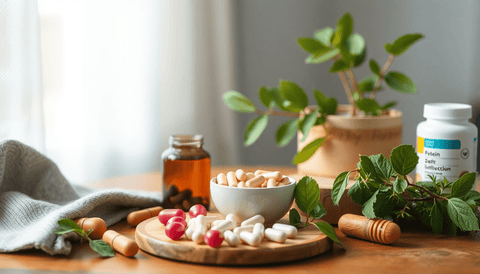
Come scegliere gli integratori per la menopausa: consigli degli esperti per il sollievo


it


Menopause Supplements: Natural Remedies to Ease Menopause Symptoms - Topvitamine
Jun 30, 2025
Gli integratori per la menopausa non sono tutti uguali e non esiste un prodotto migliore per ogni persona. Questa guida confronta vitamina D, calcio, magnesio, vitamine del gruppo B e alcuni rimedi naturali, come cohosh nero e trifoglio rosso. Troverai criteri pratici per leggere l’etichetta, evitare doppioni e capire quando è opportuno parlare con medico o farmacista.

Choosing a menopause supplement can feel like a significant decision, given the wide range of products and information available. This page is designed to guide you through the key considerations, from understanding what to look for on a label to thinking about how a product fits into your broader wellness routine. Rather than focusing on a single product or brand, this guide provides a broad framework to help you evaluate options and make a more informed choice based on your individual needs and preferences.

What Are Menopause Supplements?

Menopause supplements are products designed to support nutritional needs and overall wellness during the menopausal transition. They are not intended to treat or manage any condition, but rather to supplement the diet with specific vitamins, minerals, herbs, or other botanicals that some people find helpful during this stage of life. The focus is on general support, and it's important to understand that the effectiveness and experience with any supplement can vary greatly from person to person.

The market includes a range of products, from single-ingredient supplements like vitamin D or calcium to more complex formulas containing multiple nutrients and botanical extracts. Understanding the potential role of these different components is a core part of how to choose menopause supplements. For instance, some nutrients are important for maintaining bone health, while others are used for their traditional properties in supporting relaxation or overall comfort.

Key Factors in Choosing a Menopause Supplement

When you start comparing products, consider a few central themes that can help you evaluate quality and suitability. These factors go beyond general marketing messages and focus on the substance of what a product is.

Begin with your own objectives. What are you hoping to support? Having a clear idea of your personal wellness goals can help you focus your research on ingredients that are relevant to those goals. This clarity is the first step in navigating the wide array of available products.

Analyzing the Ingredient Label

A crucial step is reading and understanding the Supplement Facts panel. This provides the details needed to compare products effectively. Here are some points to focus on:

  • Active Ingredients: Identify the key components and their exact dosages per serving.
  • Standardization: Where possible, look for standardized extracts that guarantee consistent levels of active compounds.
  • Transparency: Be cautious of "proprietary blends" that do not disclose the individual amounts of each ingredient.
  • Additional Components: Review the 'Other Ingredients' list for additives, fillers, and potential allergens, considering them in light of your own sensitivities.

Assessing Safety and Quality Standards

Safety and quality are non-negotiable when evaluating any supplement. Here are key indicators of a responsible manufacturer:

  • Manufacturing Practices: Look for products made in facilities that follow Good Manufacturing Practices (GMP).
  • Third-Party Testing: Prefer products that have been independently tested or certified by a reputable third party for purity and quality.
  • Traceability: Check for a batch number and expiration date on the packaging, which indicates a commitment to product traceability and freshness.

Always consider potential interactions with any medications you are currently taking, as well as any existing health conditions. It is recommended that you consult a healthcare professional for personalized advice before starting any new supplement, especially if you are pregnant, nursing, or managing a chronic condition.

Common Ingredients and Nutrients in Menopause Support

Menopause support supplements often contain a combination of nutrients and botanicals that are used for their general wellness properties. Understanding the context of these ingredients can help you better evaluate a product label. The following are commonly discussed in this context:

  • Vitamins and Minerals: Nutrients like calcium and vitamin D are fundamental for bone health, a key consideration during and after menopause. Others like magnesium and B vitamins are involved in numerous bodily functions.
  • Botanicals and Herbal Extracts: Ingredients from traditional herbalism, such as herbal supplements, may be included to support a sense of balance. Always research these ingredients individually to understand their traditional uses and any potential safety considerations.
  • Phytoestrogens: These are plant-based compounds found in foods like soy and red clover that are sometimes discussed in relation to menopause. Proponents note their structural similarity to estrogen, though research on their effects is ongoing and results are not conclusive.
  • Other Nutrients: Vitamin E is another nutrient often mentioned for skin health and as an antioxidant, while omega-3 fatty acids may be considered for general heart health. These are examples of how different supplements target different aspects of wellness.

This is not an exhaustive list, and the presence of any ingredient is not a guarantee of a specific outcome. Your focus should be on understanding why an ingredient is included and how it fits into your overall approach to wellness.

Evaluating Efficacy and Making an Informed Decision

Navigating the claims made by supplement brands is a critical skill. It helps to be an informed consumer who can distinguish between a well-supported statement and marketing language that oversells outcomes.

Scrutinizing Product Claims

Before you commit to a product, evaluate the credibility of its claims. Look for:

  • Transparent Data: Products that share their research or provide references to peer-reviewed studies offer more substance than those that do not.
  • Independent Reviews: Seek out reliable, professional reviews and summaries of the scientific literature on specific ingredients.
  • Realistic Language: Be wary of language that promises unrealistic results or sounds too good to be true.

Selecting a Quality Product

Once you have evaluated the claims, consider the practical aspects of the product itself. A high-quality supplement is often defined by more than just its ingredient list. Here are a few points to consider:

  • Third-Party Certification: Look for seals from organizations like USP or NSF, which indicate that a product has been independently verified for quality and purity.
  • Single-Ingredient vs. Blends: While multi-ingredient formulas are convenient, starting with a single-ingredient product can make it easier to understand how your body responds to each component.
  • Form and Absorption: Consider the form of the supplement (e.g., capsule, tablet, powder) and any information provided about absorption, as this can vary between products.

Planning Your Approach

Once you have narrowed down your options, consider these steps to guide your decision-making process:

  1. Discuss your choices with a healthcare provider to ensure they are appropriate for your individual health profile.
  2. If you decide to try a supplement, start with a single new product at a time to more easily assess your personal tolerance and compatibility.
  3. Give it a reasonable period of consistent use according to the product's label instructions to see how it fits your needs and preferences.

By focusing on these fundamental principles, you can approach the process of choosing a menopause supplement with greater confidence, ensuring that your decisions are informed by a thorough, balanced evaluation of the available information.

For a broader foundation on nutritional supplements, you may also find it helpful to explore our range of natural supplement categories to see how different types of products are categorized and described.