
{"" : "TOKEN_TYPE_LIMIT_REACHED" }
Come assumere l'ashwagandha: dosaggi sicuri, forme migliori e consigli pratici
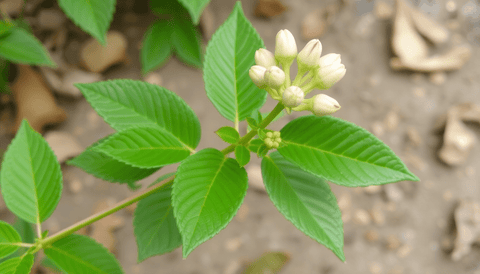
Jun 30, 2025
L’ashwagandha, o Withania somnifera, è una pianta utilizzata nella tradizione ayurvedica e oggi presente in capsule, polveri ed estratti. Può essere studiata soprattutto per il supporto alla gestione dello stress e del sonno, ma le prove non giustificano promesse universali. Questa guida spiega come scegliere il prodotto, quali dosaggi sono stati usati negli studi, quali effetti collaterali considerare e quando chiedere consiglio a un professionista sanitario.
{"content":"
L'ashwagandha è diventato uno degli integratori erboristici più utilizzati al mondo, eppure molte persone iniziano a assumerlo senza un piano chiaro. Sapere come assumere l'ashwagandha correttamente va oltre la semplice deglutizione di una capsula: la forma scelta, la dose utilizzata, i tempi di assunzione e la durata del trattamento influenzano tutti la tua esperienza. In questa guida scoprirai cosa suggeriscono la ricerca e l'uso tradizionale riguardo agli intervalli di dosaggio sicuri, le differenze pratiche tra polveri, capsule, estratti e tinture, e come programmare l'assunzione. Imparerai anche chi dovrebbe essere prudente con l'ashwagandha, quali interazioni sono rilevanti e come valutare la qualità di un integratore prima dell'acquisto.
\n\n
Cosa significa davvero \"come assumere l'ashwagandha\"?
\n\n
La domanda sembra semplice, ma comprende diverse decisioni distinte. In primo luogo c'è la forma: l'ashwagandha è disponibile come polvere di radice intera, estratto di radice standardizzato in capsule, caramelle gommose, tinture e gocce liquide. In secondo luogo c'è il dosaggio, che differisce notevolmente tra polvere grezza ed estratti concentrati. In terzo luogo ci sono tempi e costanza — se assumerlo al mattino o alla sera, con o senza cibo, e per quanto tempo. Infine c'è l'idoneità: l'ashwagandha non è adatto a tutti e alcune situazioni di salute richiedono cautela extra o una guida professionale.
\n\n
Perché il dosaggio e la forma giusti contano più di quanto pensi
\n\n
I prodotti a base di ashwagandha variano enormemente in concentrazione. Un cucchiaino colmo di polvere di radice grezza contiene una frazione dei principi attivi presenti in una capsula di estratto standardizzato. Assumere dosi troppo basse può produrre un effetto poco percettibile, mentre quantità eccessive possono aumentare la probabilità di effetti collaterali come disturbi digestivi o sonnolenza. Poiché la maggior parte degli studi sull'uomo utilizza estratti standardizzati a dosi giornaliere definite, adattare l'assunzione a questi intervalli è l'approccio più coerente con le evidenze.
\n\n
Cosa aspettarsi: la differenza tra effetti immediati e uso a lungo termine
\n\n
L'ashwagandha non è una sostanza ad azione rapida come la caffeina. Alcune persone notano un effetto calmante relativamente presto, in particolare quando lo assumono la sera, ma la maggior parte delle ricerche su stress, sonno e parametri legati al cortisolo ha utilizzato periodi di integrazione di circa sei-dodici settimane. Avere aspettative realistiche aiuta a evitare delusioni e la tentazione di aumentare inutilmente la dose.
\n\n
Capire l'ashwagandha: basi sugli adattogeni e terminologia chiave
\n\n
Cosa sono gli adattogeni e in che contesto si colloca l'ashwagandha?
\n\n
L'ashwagandha (Withania somnifera) è un piccolo arbusto tradizionalmente utilizzato nella medicina ayurvedica, dove ha una lunga storia come tonico per la resilienza e la vitalità. È spesso descritto come un adattogeno — un termine usato per sostanze che, secondo quanto si ritiene, aiutano l'organismo a mantenere l'equilibrio in condizioni di stress. Vale la pena notare che \"adattogeno\" è una categoria funzionale e tradizionale più che strettamente definita sul piano farmacologico, ma l'ashwagandha è una delle piante più studiate di questo gruppo, in particolare per quanto riguarda lo stress percepito e la qualità del sonno.
\n\n
Withanolidi: i principi attivi alla base dei benefici
\n\n
I withanolidi sono lattoni steroidei presenti naturalmente in tutta la pianta di ashwagandha, con le concentrazioni più elevate tipicamente nelle radici. Sono ampiamente considerati i costituenti bioattivi principali e sono i composti rispetto ai quali gli estratti commerciali vengono standardizzati. Quando un'etichetta indica \"5% di withanolidi\", significa che l'estratto contiene una concentrazione minima garantita di questi composti — ed è per questo che i prodotti standardizzati consentono un dosaggio molto più prevedibile rispetto alla polvere grezza.
\n\n
Capire KSM-66, Sensoril ed estratti standardizzati
\n\n
Molti prodotti utilizzano estratti brandizzati e protetti da marchio, e conoscerne le differenze aiuta a interpretare le etichette:
\n\n
- KSM-66 è un estratto solo da radice standardizzato a circa il 5% di withanolidi. È l'estratto utilizzato in numerosi studi clinici su stress, resistenza fisica e sonno, tipicamente a dosi di circa 300–600 mg al giorno.
- Sensoril è ricavato da radice e foglie ed è standardizzato a una concentrazione di withanolidi più alta (spesso 10%). Essendo più concentrato, viene solitamente utilizzato a dosi inferiori, comunemente intorno a 125–250 mg al giorno.
- Altri estratti standardizzati possono indicare le proprie percentuali di withanolidi e dosi, quindi segui sempre le indicazioni del produttore, che dovrebbero riflettere la specifica standardizzazione del prodotto.
\n\n
Nessuno dei due estratti brandizzati è intrinsecamente \"migliore\" in assoluto; differiscono per composizione, standardizzazione e ricerche alla base. Il punto importante è che la dose deve corrispondere allo specifico estratto utilizzato.
\n\n
Quale forma di ashwagandha fa per te?
\n\n
Polvere o capsule di ashwagandha: pro, contro e praticità
\n\n
Le capsule sono l'opzione più comoda e precisa. Ogni capsula contiene una quantità definita di estratto, rendendo facile controllare la dose, e il sapore — che molti descrivono come terroso o amaro — viene mascherato. La polvere è più flessibile (può essere miscelata in frullati o latte caldo) e spesso più economica al grammo, ma il dosaggio è meno preciso e la polvere grezza contiene concentrazioni di withanolidi per grammo molto più basse rispetto agli estratti. Se scegli la polvere, prevedi di usarne quantità maggiori per raggiungere livelli di assunzione paragonabili agli studi basati su estratti.
\n\n
Estratto di ashwagandha o radice intera: differenze di potenza e purezza
\n\n
La polvere di radice intera corrisponde più da vicino all'uso tradizionale, ma il contenuto di principi attivi varia da lotto a lotto. Gli estratti standardizzati garantiscono una concentrazione minima di withanolidi e offrono un dosaggio prevedibile. Per chi vuole che l'assunzione assomigli a quella utilizzata nella ricerca clinica, un estratto di radice standardizzato è in genere la scelta più diretta. Se preferisci un approccio più tradizionale alla pianta intera, la polvere resta un'opzione legittima — tieni solo presente la differenza di potenza.
\n\n
Confronto tra caramelle gommose, tinture e gocce liquide
\n\n
Le caramelle gommose sono gustose e comode, ma spesso contengono zuccheri aggiunti, dosi di ashwagandha inferiori per porzione e possono essere meno standardizzate. Le tinture e le gocce liquide consentono un dosaggio flessibile e regolabile e vengono assorbite senza dover scomporre una capsula, sebbene possano avere un sapore intenso e il loro contenuto di withanolidi varia da prodotto a prodotto. Per la maggior parte delle persone che cerca dosi coerenti con la ricerca, le capsule di estratto standardizzato restano il formato più pratico.
\n\n
Dosi sicure: quanto ashwagandha assumere?
\n\n
Intervalli di dosaggio standard: dosi basse, moderate e più elevate
\n\n
La maggior parte delle ricerche cliniche sugli estratti di radice standardizzati rientra in questi intervalli giornalieri approssimativi:
\n\n
- Dosi basse (circa 125–300 mg di estratto al giorno): spesso utilizzate con estratti più concentrati come Sensoril, o come punto di partenza per soggetti sensibili.
- Dosi moderate (circa 300–500 mg al giorno): un intervallo comune negli studi su stress e benessere generale.
- Dosi più elevate (fino a circa 600 mg al giorno): il limite superiore utilizzato più frequentemente negli studi, in particolare per esiti legati al sonno e all'attività sportiva.
\n\n
Dosi superiori a questi intervalli non vanno assunte alla leggera e non esistono evidenze che dosi più alte producano benefici proporzionalmente maggiori. Nel dubbio, inizia con dosi basse e aumenta solo se necessario.
\n\n
Quanto ashwagandha contiene una porzione tipica?
\n\n
Una capsula tipica di estratto standardizzato contiene 250–500 mg. Una porzione di caramelle gommose può contenere considerevolmente meno ashwagandha di una singola capsula di estratto. Un cucchiaino di polvere di radice grezza contiene diversi grammi di polvere ma una quantità molto minore di withanolidi effettivi. Controlla sempre l'etichetta per la quantità per porzione, non solo per capsula.
\n\n
Differenze di dosaggio tra polvere di radice ed estratti standardizzati
\n\n
L'uso tradizionale della polvere di radice intera spesso prevede diversi grammi al giorno, mentre gli estratti standardizzati vengono assunti a poche centinaia di milligrammi. Non si tratta di quantità intercambiabili. Se un'etichetta non indica la percentuale di withanolidi, considera le indicazioni posologiche derivanti dalla ricerca sugli estratti come punto di riferimento indicativo piuttosto che come equivalente diretto, e segui le istruzioni del produttore per quello specifico prodotto.
\n\n
Quando e come assumere l'ashwagandha per i migliori risultati
\n\n
Mattino o sera: il momento dell'assunzione conta?
\n\n
Non esiste un singolo orario \"corretto\" e le evidenze controllate che confrontano l'assunzione al mattino con quella alla sera sono limitate. Nella pratica, la scelta spesso dipende dal tuo obiettivo e da come l'ashwagandha agisce su di te personalmente. Se ti rende sonnolento, assumerlo la sera può fare al caso tuo; se non noti tale effetto, l'assunzione al mattino o a mezzogiorno va benissimo. La costanza conta più dell'orario esatto — assumerlo ogni giorno alla stessa ora favorisce un'assunzione costante e l'aderenza.
\n\n
Assumere l'ashwagandha con o senza cibo?
\n\n
L'ashwagandha può essere assunto con o senza cibo, ma prenderlo durante un pasto può ridurre la probabilità di disturbi di stomaco, l'effetto collaterale più comunemente segnalato. I pasti contenenti grassi possono anche favorire l'assorbimento dei costituenti liposolubili, sebbene i dati comparativi diretti siano limitati. Se avverti fastidi digestivi, accompagnare l'assunzione con il cibo è l'aggiustamento più semplice.
\n\n
Quanto tempo serve perché l'ashwagandha faccia effetto?
\n\n
Alcune persone notano sottili effetti calmanti nel giro di pochi giorni, ma la maggior parte delle ricerche che mostrano risultati significativi sullo stress percepito e sul sonno ha utilizzato un uso quotidiano di sei-dodici settimane. Valuta la tua risposta in un periodo di almeno quattro-otto settimane anziché in pochi giorni, ed evita di aumentare prematuramente la dose solo perché gli effetti immediati sono modesti.
\n\n
Ciclicità dell'ashwagandha: quante settimane di sì e di no?
\n\n
La maggior parte degli studi esamina un uso continuativo fino a circa tre mesi, e i dati di sicurezza a lungo termine oltre tale periodo sono più limitati. Un approccio pratico sensato è assumere l'ashwagandha in periodi definiti — ad esempio da otto a dodici settimane — seguiti da una pausa di alcune settimane per rivalutare se ne tratti ancora beneficio. Si tratta di una convenzione precauzionale più che di un requisito dimostrato, ma incoraggia una rivalutazione periodica.
\n\n
Chi dovrebbe prestare attenzione a dosaggio e sicurezza dell'ashwagandha?
\n\n
Influenza del peso corporeo e della sensibilità sulla dose ideale
\n\n
La ricerca sull'ashwagandha non ha stabilito linee guida di dose per chilogrammo per i consumatori generali, ma la sensibilità individuale varia. Le persone con peso corporeo inferiore, chi si avvicina per la prima volta agli integratori erboristici e chi è particolarmente sensibile agli effetti sedativi spesso fa meglio a iniziare dal lato basso dell'intervallo di dosaggio. La sensibilità può essere valutata solo attraverso la tua stessa esperienza con dosi prudenti — mai attraverso l'autodiagnosi basata sui sintomi.
\n\n
Ashwagandha per lo stress o per il sonno: cambia la forma?
\n\n
Gli stessi estratti standardizzati sono stati utilizzati in studi sia sullo stress percepito sia sulla qualità del sonno, quindi non è necessario acquistare un prodotto diverso per ogni obiettivo. Ciò che può cambiare è il momento dell'assunzione: per il supporto al sonno, una dose serale è la scelta più intuitiva; per la resilienza allo stress diurna, la dose al mattino è comune. Come sempre, lascia che sia la tua risposta a guidarti.
\n\n
Chi dovrebbe evitare l'ashwagandha o parlare prima con un medico?
\n\n
Un parere professionale è opportuno prima di usare l'ashwagandha se tu:
\n\n
- sei in gravidanza o stai allattando (l'ashwagandha è generalmente sconsigliato in gravidanza);
- hai una patologia tiroidea o assumi farmaci per la tiroide, poiché l'ashwagandha può influenzare i livelli di ormoni tiroidei;
- assumi sedativi, immunosoppressori, farmaci tiroidei o farmaci per la glicemia o la pressione arteriosa;
- hai una malattia autoimmunitaria;
- hai un intervento chirurgico programmato (spesso si consiglia di sospendere l'ashwagandha una o due settimane prima);
- hai una malattia epatica o avverti stanchezza, nausea o urine scure inspiegate durante l'assunzione.
\n\n
Potenziali effetti collaterali e interazioni da tenere presenti
\n\n
Effetti collaterali comuni e come ridurli al minimo
\n\n
L'ashwagandha è generalmente ben tollerato negli studi a dosi standard. Gli effetti più comunemente segnalati sono lievi disturbi digestivi, feci molli, sonnolenza e occasionalmente cefalea. Assumerlo con il cibo, iniziare con una dose più bassa e utilizzare un prodotto testato per la qualità riduce la probabilità di problemi. Sospendi l'uso e chiedi un parere medico se compaiono sintomi che suggeriscono problemi al fegato, come nausea persistente, dolore addominale, stanchezza insolita o urine scure — sono stati segnalati rari casi di danno epatico isolati.
\n\n
Ashwagandha e farmaci: quando usare cautela
\n\n
L'ashwagandha può potenziare gli effetti dei farmaci sedativi, influenzare la glicemia e la pressione arteriosa e interagire con la terapia ormonale tiroidea e i farmaci immunosoppressivi. Queste interazioni non significano che l'ashwagandha non sia sicuro per tutti — ma significano che una conversazione con il tuo medico o farmacista è essenziale se assumi regolarmente qualsiasi farmaco su prescrizione.
\n\n
Gravidanza, allattamento e considerazioni sulla tiroide
\n\n
L'ashwagandha è tradizionalmente considerato inadatto durante la gravidanza, e i dati di sicurezza in gravidanza e allattamento sono insufficienti, quindi si consiglia generalmente di evitarlo in questi periodi. Per quanto riguarda la tiroide: alcune ricerche suggeriscono che l'ashwagandha possa aumentare i livelli di ormoni tiroidei, aspetto rilevante per le persone con ipotiroidismo o ipertiroidismo o per chi assume farmaci tiroidei. Chiunque abbia una patologia tiroidea dovrebbe usare l'ashwagandha solo sotto supervisione medica.
\n\n
Come leggere l'etichetta di un integratore di ashwagandha
\n\n
Capire dose per porzione e quantità per porzione
\n\n
Le etichette possono trarre in inganno se lette con superficialità. Un prodotto che dichiara \"600 mg per porzione\" può richiedere tre capsule da 200 mg ciascuna, oppure due da 300 mg. Controlla sia la dimensione della porzione sia la quantità per capsula, e verifica se l'etichetta specifica una percentuale di withanolidi o il nome di un estratto brandizzato — quei dettagli determinano se la dose si allinea agli intervalli supportati dalla ricerca.
\n\n
Marcatori di qualità chiave: test di terze parti, certificazioni e purezza
\n\n
Gli integratori erboristici non vengono uniformemente testati per la purezza, quindi cerca:
\n\n
- Test o certificazioni di terze parti (come USP, NSF o un certificato di analisi di laboratorio indipendente);
- Standardizzazione chiara (ad esempio una percentuale dichiarata di withanolidi o un estratto brandizzato con nome);
- Indicazione della parte della pianta (gli estratti solo da radice sono spesso preferiti; alcuni prodotti di bassa qualità usano materiale fogliare, meno tradizionale per l'uso consumer);
- Informazioni su allergeni e additivi rilevanti per le tue esigenze alimentari.
\n\n
Segnali d'allarme da evitare quando si sceglie un integratore di ashwagandha
\n\n
Si prudenti con i prodotti che non indicano la parte della pianta utilizzata, non forniscono informazioni sulla standardizzazione, promettono risultati drammatici o medicalmente specifici, elencano blend proprietari che nascondono la dose effettiva di ashwagandha o prive di qualsiasi forma di verifica di qualità indipendente. Prezzi estremamente bassi rispetto a prodotti standardizzati comparabili possono anch'essi essere un segnale d'allarme.
\n\n
Una scelta consapevole: un quadro decisionale pratico
\n\n
Domande da farsi prima di acquistare l'ashwagandha
\n\n
- Qual è il mio obiettivo — supporto allo stress diurno, relax serale, qualità del sonno o benessere generale?
- Un estratto standardizzato a una dose supportata dalla ricerca è allineato a quell'obiettivo?
- Preferisco capsule, polvere o un formato liquido in base alla mia routine?
- Assumo farmaci o ho condizioni che richiedono prima un parere professionale?
- Sono disposto a usarlo con costanza per sei-dodici settimane e poi rivalutare?
\n\n
Quando gli integratori sono opportuni e quando esplorare altre opzioni
\n\n
L'ashwagandha può essere un'opzione ragionevole per adulti senza controindicazioni che desiderano un supporto aggiuntivo per stress e sonno insieme a sane abitudini. Non sostituisce l'affronto delle cause sottostanti di stress cronico, sonno di scarsa qualità o affaticamento. Se stanchezza persistente, cambiamenti dell'umore o problemi di sonno condizionano significativamente la tua vita, una valutazione medica è più preziosa di qualsiasi integratore. Le fondamenta come routine di sonno costanti, attività fisica, alimentazione e pratiche di gestione dello stress restano la base su cui poggia qualsiasi integratore.
\n\n
Il ruolo della guida professionale e degli esami di laboratorio
\n\n
La stanchezza e i sintomi da stress possono avere molte cause — disfunzione tiroidea, anemia, disturbi del sonno, effetti collaterali di farmaci — e i sintomi da soli non permettono di distinguerle. Se hai sintomi persistenti, gli esami del sangue e la valutazione clinica forniscono informazioni molto più affidabili che indovinare quale integratore provare. Un medico o un dietista può anche aiutarti a interpretare se l'ashwagandha fa al caso tuo.
\n\n
In sintesi: come assumere l'ashwagandha in modo sicuro ed efficace
\n\n
Riepilogo delle buone pratiche su dosaggio, forma e tempi
\n\n
Il modo più coerente con le evidenze per assumere l'ashwagandha è un estratto di radice standardizzato a circa 300–600 mg al giorno (o una dose inferiore con estratti più concentrati come Sensoril), assunto con costanza per sei-dodici settimane, con il cibo se lo stomaco è sensibile e la sera se ti rende sonnolento. Inizia con dosi basse, rivaluta periodicamente, fai una pausa dopo qualche mese e dai priorità a prodotti testati per la qualità con una standardizzazione chiara.
\n\n
E adesso? Ulteriori letture e risorse
\n\n
Se vuoi esplorare prodotti a base di ashwagandha che rispettano questi criteri di qualità, la collezione di integratori di ashwagandha è un punto di partenza naturale. Per una panoramica più ampia su come gli integratori erboristici si inseriscono in una routine di integrazione sicura, consulta la nostra guida agli integratori erboristici e all'uso tradizionale, e per informazioni generali su come costruire una combinazione di integratori ben equilibrata, la nostra guida a multivitamine e uso degli integratori tratta ingredienti, modalità d'uso e principi di sicurezza.
\n\n
I punti chiave in breve
\n\n
- \"Come assumere l'ashwagandha\" implica quattro decisioni: forma, dose, tempi e durata dell'uso.
- La maggior parte delle ricerche cliniche utilizza estratti di radice standardizzati a circa 300–600 mg al giorno; gli estratti più concentrati come Sensoril vengono assunti a dosi inferiori (circa 125–250 mg).
- Gli estratti standardizzati offrono un dosaggio più prevedibile rispetto alla polvere di radice intera, che contiene molti meno withanolidi per grammo.
- L'orario è flessibile: scegli l'assunzione serale se l'ashwagandha ti rende sonnolento e prendilo con il cibo se ti dà fastido di stomaco.
- Aspettati effetti significativi dopo sei-dodici settimane di uso costante, non nel giro di pochi giorni.
- Un approccio pratico è otto-dodici settimane di uso seguite da una pausa e una rivalutazione.
- Evita l'ashwagandha in gravidanza e allattamento e chiedi un parere medico in caso di patologia tiroidea, assunzione di sedativi, farmaci tiroidei, per la glicemia o la pressione, o di malattia autoimmunitaria.
- Scegli prodotti con una percentuale dichiarata di withanolidi, un estratto con nome o l'indicazione della parte della pianta e test di qualità di terze parti.
- Stanchezza o problemi di sonno persistenti giustificano una valutazione medica — i sintomi da soli non permettono di stabilire la causa o le tue esigenze integrative.
\n\n
Domande frequenti
\n\n
Quanto ashwagandha dovrei assumere al giorno?
\n
Per gli estratti di radice standardizzati, la maggior parte delle ricerche supporta un intervallo giornaliero di circa 300–600 mg. Gli estratti più concentrati, come Sensoril, vengono tipicamente assunti a 125–250 mg al giorno. Segui sempre le indicazioni dell'etichetta per lo specifico prodotto, poiché il dosaggio dipende dalla concentrazione dell'estratto.
\n\n
Dovrei assumere l'ashwagandha al mattino o alla sera?
\n
Entrambe le opzioni possono funzionare; le evidenze dirette a favore di una delle due sono limitate. Se l'ashwagandha ti rende sonnolento, l'assunzione serale è più pratica; in caso contrario, la dose al mattino si integra bene nella routine quotidiana. La costanza conta più dell'orario specifico.
\n\n
Posso assumere l'ashwagandha a stomaco vuoto?
\n
Sì, ma assumerlo con il cibo può ridurre il rischio di nausea o fastidio di stomaco, tra gli effetti collaterali più comuni. Se lo tolleri bene a stomaco vuoto, non c'è bisogno di cambiare.
\n\n
Quanto tempo serve perché l'ashwagandha faccia effetto?
\n
Alcune persone notano sottili effetti calmanti nel giro di pochi giorni, ma la maggior parte degli studi che mostrano risultati significativi ha utilizzato sei-dodici settimane di uso quotidiano. Valuta la tua risposta per almeno quattro-otto settimane prima di decidere se fa per te.
\n\n
KSM-66 è migliore di altri estratti di ashwagandha?
\n
KSM-66 è un estratto solo da radice ben studiato, standardizzato a circa il 5% di withanolidi, ma non è universalmente superiore. Altri estratti, inclusi Sensoril, hanno le proprie basi di ricerca e standardizzazioni diverse. La chiave è usare una dose adeguata allo specifico estratto.
\n\n
Si può esagerare con l'ashwagandha?
\n
Sì. Dosi ben superiori agli intervalli supportati dalla ricerca aumentano il rischio di disturbi digestivi, sonnolenza e altri effetti indesiderati. Sono stati segnalati rari casi di danno epatico. Atteniti alle indicazioni dell'etichetta e non aumentare la dose per ottenere risultati più rapidi.
\n\n
L'ashwagandha interagisce con i farmaci?
\n
Può interagire con sedativi, farmaci ormonali tiroidei, immunosoppressori e farmaci che agiscono su glicemia o pressione arteriosa. Se assumi regolarmente farmaci su prescrizione, consulta il tuo medico o farmacista prima di iniziare con l'ashwagandha.
\n\n
L'ashwagandha è sicuro in gravidanza o durante l'allattamento?
\n
L'ashwagandha è generalmente sconsigliato in gravidanza e i dati di sicurezza per l'allattamento sono insufficienti. Evitalo in questi periodi a meno che un professionista sanitario qualificato non lo sconsigli esplicitamente.
\n\n
L'ashwagandha può influenzare la tiroide?
\n
Alcune ricerche suggeriscono che l'ashwagandha possa aumentare i livelli di ormoni tiroidei. Questo può essere rilevante per le persone con patologie tiroidee o che assumono farmaci tiroidei, quindi chiunque appartenga a questi gruppi dovrebbe usarlo solo sotto supervisione medica.
\n\n
Dovrei fare pause nell'assunzione dell'ashwagandha?
\n
La maggior parte degli studi esamina fino a circa tre mesi di uso continuativo, e i dati a lungo termine oltre tale periodo sono limitati. Prevedere una pausa occasionale — ad esempio, dopo otto-dodici settimane — è una precauzione sensata che ti permette anche di rivalutare se ne tratti ancora beneficio.
\n\n
La polvere di ashwagandha è efficace quanto le capsule?
\n
La polvere di radice intera riflette l'uso tradizionale ma contiene una concentrazione di withanolidi per grammo molto più bassa e variabile rispetto agli estratti standardizzati. Le capsule di estratto standardizzato rendono molto più semplice raggiungere le dosi utilizzate nella ricerca clinica.
\n\n
Posso combinare l'ashwagandha con altri integratori come il magnesio?
\n
Non esistono interazioni dannose ben documentate tra ashwagandha e minerali comuni come il magnesio, e alcune persone li combinano per il relax e il supporto al sonno. Tuttavia, poiché l'ashwagandha può avere effetti sedativi, fai attenzione alla sonnolenza cumulativa quando lo combini con altre sostanze calmanti.
\n\n
Parole chiave correlate
\n
- come assumere l'ashwagandha
- dosaggio ashwagandha
- benefici ed effetti collaterali dell'ashwagandha
- dosaggio ashwagandha KSM-66
- Sensoril vs KSM-66
- miglior momento per assumere l'ashwagandha
- ashwagandha con o senza cibo
- ashwagandha per stress e sonno
- estratto di radice di ashwagandha vs polvere
- ciclicità e uso a lungo termine dell'ashwagandha
- interazione ashwagandha tiroide
- qualità e test degli integratori di ashwagandha
- withanolidi estratto standardizzato
- capsule di ashwagandha vs caramelle gommose
"}