
Immediate vitamin imbalance can surface as urgent, time-sensitive signals that deserve prompt attention. This urgent guide outlines seven categories of alarming indicators you should be aware of, with a focus on spotting them early. By understanding the idea of an immediate vitamin imbalance, you can move from uncertainty to a more proactive approach that prioritizes your ongoing well-being. Because signs can appear in diverse ways, keeping track of what you notice over days and weeks is helpful. Consider recording when changes began, how they fluctuate, and any patterns that recur. This kind of documentation supports a professional assessment and helps determine whether what you’re experiencing constitutes an immediate vitamin imbalance requiring timely review. The goal is awareness without delay, so you know when to seek guidance. Practical steps for today center on responsible action. Seek guidance from a qualified professional for an evaluation, rather than relying on self-diagnosis or unverified information. Gather your symptom log, list existing medications or exposures, and be prepared to discuss duration and progression. Use credible, evidence-based resources as you explore options and follow the advice of licensed practitioners. Protecting your health today means acting with care and timeliness. If changes are severe, rapidly worsening, or accompanied by other urgent concerns, contact emergency services or your healthcare provider promptly. Even when symptoms seem mild, prioritizing a timely assessment can help address an immediate vitamin imbalance before it escalates. This page remains a reminder that awareness paired with professional guidance is a prudent approach to safeguarding your health.
Squilibrio vitaminico immediato: 7 sintomi allarmanti che devi affrontare subito
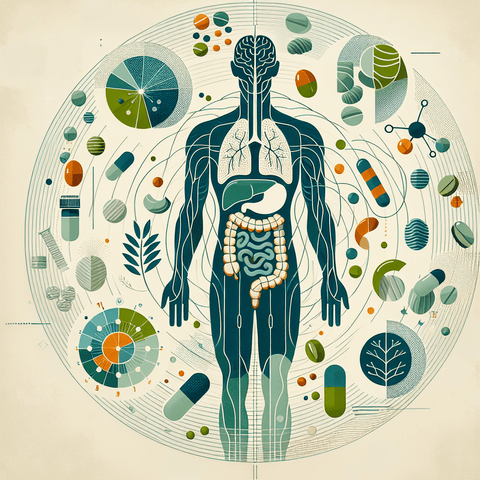
An immediate vitamin imbalance describes a situation in which vitamin levels in the body may change quickly or fall short of what the body needs within a short timeframe. It is not a formal medical diagnosis, but the phrase is often used when people are concerned about rapid vitamin depletion or the sudden appearance of symptoms that may be linked to low vitamin status.
On this page you will find a broad overview of the topic, including what an immediate vitamin imbalance can involve, which signs are commonly discussed, what factors may contribute to rapid depletion, and how assessment, prevention and timely professional guidance fit together.
What Is an Immediate Vitamin Imbalance?
The term immediate vitamin imbalance is generally used to describe a fast shift in vitamin status rather than a slow, gradual change. In practice, the body's vitamin levels are influenced by how much is consumed, how well nutrients are absorbed, how much is used or lost, and whether underlying health conditions interfere with any of these processes.
It is important to understand that a true vitamin deficiency usually develops over time rather than overnight. However, certain situations can accelerate the process or unmask a problem that was already developing. This is why the idea of an immediate vitamin imbalance is often linked to timely awareness rather than to a single, sudden event.
Because symptoms are often non-specific and overlap with many other conditions, the concept of an immediate vitamin imbalance should be treated as a prompt for professional evaluation rather than as a self-diagnosis.
Signs That May Prompt Attention
Signs that may accompany a vitamin imbalance vary depending on which nutrient is involved and on the individual. Many of these signs are general and can have other explanations, so they should not be used alone to identify a deficiency.
- Persistent fatigue or reduced energy that does not improve with rest.
- Changes in appetite, including unusual cravings or reduced interest in food.
- Muscle discomfort, weakness or sensations such as tingling.
- Mood changes, difficulty concentrating or feeling unusually low.
- Changes in skin, hair or nails that appear without a clear reason.
- Digestive complaints or other general feelings of being unwell.
Some discussions of vitamin imbalance focus on specific nutrients such as vitamin B12, vitamin D or vitamin C, because low levels of these vitamins have been associated with particular symptoms. More detailed information on individual vitamins and their roles can be found in the related guides linked on this page.
Factors That May Contribute to Rapid Vitamin Depletion
A rapid change in vitamin status is rarely caused by a single factor. It often reflects a combination of dietary, lifestyle, medical and physiological influences. Understanding these factors can help readers place their own situation in context.
- Restricted or unbalanced diets that do not provide a full range of vitamins.
- Medical conditions that affect how nutrients are absorbed in the digestive tract.
- Certain medications that may interfere with vitamin absorption or increase nutrient losses.
- Pregnancy, breastfeeding or periods of increased nutritional demand.
- Intense physical activity, illness or recovery periods that increase the body's requirements.
- Alcohol use, smoking or other lifestyle factors that can affect vitamin status.
- Ageing, which can influence appetite, absorption and overall nutrient needs.
Because these factors can overlap, it is often difficult to determine from symptoms alone whether a vitamin imbalance is present. This is one reason why professional assessment is recommended when concerns persist or worsen.
Main Vitamins Commonly Discussed
Many vitamins can be involved in a vitamin imbalance, but several are more frequently discussed in this context because of their roles in the body and the symptoms associated with low levels.
B Vitamins
The B vitamins, including vitamin B12, support energy metabolism and normal nervous system function. Low levels have been associated with fatigue, tingling sensations and mood changes. More focused information is available in the vitamin B benefits, sources and safety guide.
Vitamin D
Vitamin D contributes to normal bone, muscle and immune function. Low vitamin D status has been linked to various non-specific complaints, and it is a common topic in discussions of vitamin imbalance. Further background can be found in the vitamin D benefits, sources and safety guide.
Vitamin C
Vitamin C acts as an antioxidant and supports normal immune function and collagen formation. Low intake may contribute to tiredness and other general complaints. See the vitamin C benefits, immunity, antioxidant and energy guide for a broader overview.
Assessment and When to Seek Help
If you are concerned about an immediate vitamin imbalance, the most reliable next step is to speak with a qualified healthcare professional. A healthcare provider can review your symptoms, medical history, diet, medications and lifestyle factors, and determine whether further investigation is appropriate.
Blood tests may be recommended in some cases to clarify vitamin status. These tests should be interpreted by a professional, because results can be influenced by many factors and because symptoms do not always correlate directly with measured levels.
Seek urgent medical attention if symptoms are severe, worsening quickly or accompanied by other worrying signs. Even when symptoms seem mild, a timely professional assessment can help address concerns before they escalate.
Prevention and Everyday Support
Prevention of vitamin imbalance generally focuses on maintaining a varied diet that provides a broad range of nutrients, being aware of personal risk factors and seeking professional advice when needed. Some people may benefit from targeted supplementation, but this should ideally be discussed with a healthcare provider, especially if medications are involved or if a medical condition is present.
If you are exploring supplement options for general nutritional support, you can browse multivitamin supplements and mineral supplements to see how these product categories are organised. For antioxidant-focused options, the antioxidant supplements collection may also be of interest.
Exploring This Topic Further
Immediate vitamin imbalance is a broad topic that touches on nutrition, absorption, lifestyle, medical history and individual symptoms. The articles associated with this tag page explore specific questions in more depth, including how quickly deficiencies can develop, particular signs linked to certain vitamins and practical steps for prevention.
Use this page as a starting point to understand the overall landscape, then explore the individual articles below for more detailed information on the aspects that matter most to you. Always combine general information with personalised guidance from a qualified healthcare professional.