Alimenti per rafforzare il sistema immunitario: 12 supercibi per potenziare le difese


Questo" page si concentra su alimenti che rafforzano il sistema immunitario e su modi pratici per integrarli nella cucina di tutti i giorni. Troverai una raccolta di dodici alimenti che stimolano l'immunità e idee su come includerli nei pasti che ti piacciono davvero. Piuttosto che concentrarsi su affermazioni, l'attenzione è rivolta alla pianificazione, all'abbinamento e alle strategie di preparazione che rendono più semplici le routine dei pasti. Usa questa guida per aggiungere varietà, colore e sapore al tuo menu settimanale. Come usare gli alimenti che rafforzano l'immunità nei pasti quotidiani: inizia con un semplice schema per la settimana—assegna uno o due alimenti immunostimolanti a ogni pasto, quindi ruota le opzioni in base a quello che hai. Mantieni una lista della spesa condivisa, prepara in grande quantità e conserva gli ingredienti pronti all’uso per un assemblaggio rapido. Ti mostreremo come bilanciare le consistenze e i sapori, e come adattare le ricette in modo da poter mescolare e abbinare senza dover ricominciare da zero ogni volta. Consigli semplici e gustosi per aggiungerli: valorizza i sapori con erbe fresche, zest di agrumi e miscele di spezie; incorporali nelle salse, cereali, zuppe, frullati e bowl; e crea idee snack che si abbinano bene con gli alimenti di questa raccolta. Sviluppa alcune tecniche preferite—taglia tutto una volta, conserva in modo intelligente e assemblesrapidamente—per rendere l’inclusione quotidiana naturale. La collezione di dodici elementi è una risorsa per stimolare curiosità e rendere i pasti più vivaci. Per iniziare, scegli un obiettivo semplice, come includere almeno un alimento immunostimolante in un pasto al giorno, e lascia che il piano evolva. Usa un semplice tracker o una checklist per mantenerti motivato senza pressioni. Adatta l’approccio ai tuoi gusti, alle tue tempistiche e alla tua dispensa, affinché diventi un’abitudine duratura. Questa pagina è un invito a esplorare, sperimentare e divertirsi nel processo di integrare gli alimenti che rafforzano l’immunità nei tuoi pasti quotidiani.


How do I boost my immune system quickly? - Topvitamine
May 26, 2026
How to Boost Your Immune System Quickly: Practical First StepsThere is no instant switch for immunity, but you can influence how quickly your body responds to challenges by focusing on a few key areas right away. Prioritizing quality sleep, consistent hydration, and gentle stress reduction can have a noticeable effect within days. Supporting your body with protein-rich meals, colorful produce, and healthy fats gives your immune cells the building blocks they need. When your routine is stretched thin, these daily habits become the fastest and most reliable way to begin strengthening your defenses.Evidence-Informed Supplements for Rapid Immune EnhancementTargeted supplements can fill specific gaps, especially when your diet is limited or your sun exposure is low. Vitamin C supports immune cell function and antioxidant defenses, vitamin D is essential for balanced immune responses, and zinc plays a central role in cell-mediated immunity. These are not quick fixes, but addressing a known or likely deficiency can help your system operate more efficiently over a period of days to weeks. Before adding any supplement, it is wise to consider your personal baseline and, when possible, review your status with a healthcare professional, particularly if you take medications or have ongoing health conditions.Building a Long-Term Immune Support StrategyWhile fast improvements are possible, lasting immune health comes from weaving simple, sustainable actions into your everyday life. Regular movement, time outdoors, healthy hygiene habits, and a nutrient-dense eating pattern build the foundation that supplements can then complement. Rather than relying on guesswork or a long list of products, focus on your biggest leverage points—such as fixing sleep, correcting nutrient gaps, and managing stress. This personalized approach helps you move from short-term support to a more resilient immune system over the long term.
What is a quick immune booster? - Topvitamine
Jan 28, 2026
Una risposta immunitaria rapida non si ottiene con un unico booster: la prima difesa è innata e agisce in tempi brevi, mentre quella adattativa richiede più tempo. Alimentazione varia, sonno, movimento e gestione dello stress sostengono l’organismo. Vitamina C, vitamina D e zinco possono essere utili soprattutto in caso di apporto insufficiente, ma gli integratori non sostituiscono cure, vaccinazioni o valutazioni mediche.
What foods are high in vitamin C? - Topvitamine
Oct 26, 2025
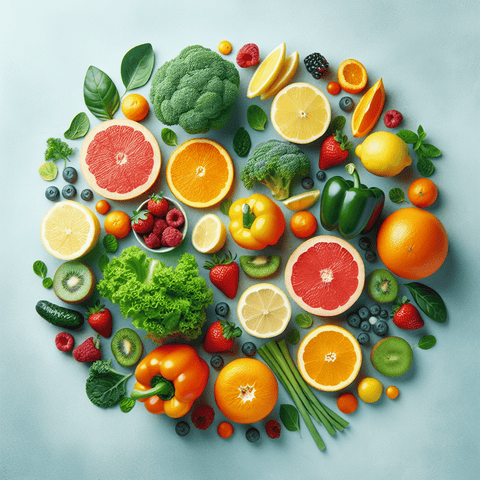
Gli alimenti ricchi di vitamina C includono peperoni, kiwi, agrumi, fragole, broccoli e altre verdure. Questa guida spiega quanta vitamina C possono fornire alcune porzioni, come ridurre le perdite durante la cottura, quale ruolo svolge nell’organismo e come orientarsi tra alimentazione e integratori. Troverai anche risposte alle domande più frequenti sugli antiossidanti e sulla possibile carenza.
Which food is rich in vitamin C? - Topvitamine
Oct 23, 2025
Gli alimenti ricchi di vitamina C includono peperoni, guava, kiwi, broccoli, fragole e agrumi. In questa guida trovi valori indicativi, idee pratiche per inserirli nei pasti, consigli per limitare la perdita di vitamina durante la cottura e una distinzione chiara tra alimenti e integratori. Troverai inoltre una spiegazione del ruolo antiossidante della vitamina C e le principali precauzioni per un uso consapevole degli integratori.
Which foods contain vitamin C? - Topvitamine
Oct 14, 2025
Gli alimenti ricchi di vitamina C includono guava, peperoni, kiwi, broccoli, fragole, papaya e agrumi. Questa guida spiega quali fonti scegliere, come ridurre la perdita di vitamina durante conservazione e cottura, il ruolo della vitamina C come antiossidante e quando un integratore può essere utile. Troverai anche risposte alle domande sugli antiossidanti e indicazioni di sicurezza per un uso consapevole degli integratori.

Eating well is one of the most reliable ways to support your body's everyday needs, and a focus on nutrient-rich ingredients is a big part of that. This guide introduces a collection of immune-boosting foods and explains their role in a balanced diet. Rather than promising unproven results, we focus on practical information and simple strategies to help you add more variety, color, and flavor to your meals. From understanding key nutrients to planning your weekly menu, this is your starting point for building a more resilient approach to wellness.

What Are Immune-Boosting Foods?

Immune-boosting foods are those that provide a high concentration of nutrients known to support the immune system. This includes vitamins like vitamin C and vitamin D, minerals such as zinc and selenium, and antioxidants from a variety of plant-based foods. The concept is not about a single ingredient but about a dietary pattern that consistently supplies these building blocks. The goal is to give your body what it needs to maintain its normal functions, which includes a healthy immune response.

Many of these foods are common and versatile. Citrus fruits, berries, leafy greens, nuts, seeds, and certain herbs and spices all have valuable nutrient profiles. Understanding these foods and their benefits is the first step toward making practical choices that align with your health goals. The rest of this guide will explore the major nutrient groups involved, how to choose these foods, and how to make them a regular part of your routine.

Key Nutrients to Look For

To understand what makes a food supportive, it helps to know which nutrients are most associated with immune health. A broad and varied diet is the best way to get these nutrients. Here are some of the most important ones to be aware of when planning your meals:

  • Vitamin C: A water-soluble vitamin found in many fruits and vegetables. It contributes to the normal function of the immune system.
  • Vitamin D: A fat-soluble vitamin that plays a role in immune function. Few foods contain it naturally, though fatty fish and fortified foods are sources.
  • Zinc: A mineral that is important for the normal function of immune cells. It is found in meat, shellfish, legumes, and seeds.
  • Antioxidants: Compounds like flavonoids and carotenoids that help protect cells from oxidative stress. These are abundant in colorful fruits and vegetables.
  • Selenium: A trace mineral that helps the body's antioxidant defense system. Brazil nuts, seafood, and organ meats are rich sources.

While supplements can help address deficiencies, whole foods are the preferred source for most people. They contain a complex mix of nutrients and fiber that work together to support overall health. For further reading on vitamins, you can explore our collection about Vitamin C for immune support.

The Role of Antioxidants in Immune Health

Antioxidants are not a single nutrient but a class of compounds that help protect the body's cells from damage caused by free radicals. Free radicals are unstable molecules that the body produces as a byproduct of normal processes and due to environmental exposures. Over time, an imbalance can contribute to cellular stress, which may affect overall health and resilience.

A diet rich in antioxidant-containing foods helps the body manage this balance. Colorful fruits like berries and citrus, vegetables like spinach and bell peppers, and other plant foods like green tea and dark chocolate are all good sources. Including a variety of these foods is a sensible strategy for supporting your body's natural defenses. For more on this topic, you might find our collection on antioxidants and their role in health helpful.

Practical Ways to Add These Foods to Your Meals

Incorporating more immune-boosting foods into your diet doesn't need to be a complicated process. The best approach is to build a simple, repeatable system that makes healthy eating easier. Here are some practical strategies to get you started:

  • Plan Your Weekly Menu: Assign one or two immune-boosting foods to each meal. This creates a simple framework that ensures variety without overwhelming you.
  • Use a Shared Shopping List: Keep a running list of your go-to immune-boosting foods. This makes grocery shopping faster and more consistent.
  • Bulk Prep Key Ingredients: Wash, chop, and portion out fruits and vegetables at the start of the week. Store them in clear containers for quick access.
  • Build Flavor in Layers: Use fresh herbs, citrus zest, and spice blends to make healthy meals more appealing and satisfying.
  • Get Creative with Recipes: Fold ingredients into sauces, grains, soups, smoothies, and bowls. This allows you to mix and match without starting from scratch every time.

The goal is to make daily inclusion feel natural. By preparing more meals at home and using these techniques, you can easily create healthier habits. For additional guidance on building a balanced diet, you can browse our superfoods guide for more ideas.

Signs of a Weakened Immune System

Many people wonder about the health of their immune system. While getting sick occasionally is normal, certain signs may indicate that your defenses are not as strong as they could be. Frequent infections, slow-wound healing, and persistent fatigue are often cited as potential indicators of a compromised immune system. However, it's essential to understand that these can also be symptoms of other health conditions.

If you're concerned about your immune health, it's always a good idea to consult with a healthcare professional. They can provide a proper diagnosis and offer guidance based on your individual situation. On this page, our focus is on how a nutrient-rich diet can help support your body's normal functions, not on diagnosing or treating illness.

Supplements and Immune Support: A Word of Caution

While a balanced diet should be your first line of defense, supplements can play a role for some individuals. They are most useful when a deficiency has been identified or when dietary intake is inadequate. For example, vitamin D is difficult to get from food alone, so a supplement might be beneficial, especially during months with less sunlight.

It's crucial to approach supplements with caution. They are not a magic bullet and are not intended to prevent, treat, or cure diseases. Taking high doses of vitamins and minerals is generally not recommended and can sometimes have negative effects. Always speak to a doctor or a registered dietitian before starting a new supplement regimen, especially if you have underlying health conditions or are taking other medications. You can find general information on mineral supplements in our mineral supplements guide.