
Understanding the impact of low vitamin D introduces the topic and guides what follows. The impact of low vitamin D is used here to describe a focal point within this page. By examining this area, one can consider sun exposure, general lifestyle patterns, and the role of supplements in a neutral context. The goal is to provide a practical, measured overview of how these elements relate to vitamin D status. Practical sun exposure strategies emphasize safety and consistency. Planning time outdoors during daylight and incorporating natural light into daily routines can be considered in the context of the environment and season. When planning outdoor activity, balance is key—protect sensitive skin as needed and follow local guidelines. This approach focuses on safe, practical steps rather than prescriptive outcomes. Diet and lifestyle context: Instead of listing specific items, think in terms of patterns and timing that fit daily life. Consider how routine, rest, and outdoor time interact with the overall day to support steady patterns. The phrase impact of low vitamin D is linked here to the broader discussion about vitamin D status and how everyday choices fit into that context. Supplement strategies: If considering supplements, seek guidance from a qualified professional who can review the situation. This page avoids endorsing particular products or dosing and instead highlights the importance of personalized planning and monitoring. The focus remains on understanding how supplements may fit within the broader picture of vitamin D status and well-being.
Basso livello di vitamina D: i rischi nascosti per la salute che devi conoscere — e come aumentare i tuoi livelli
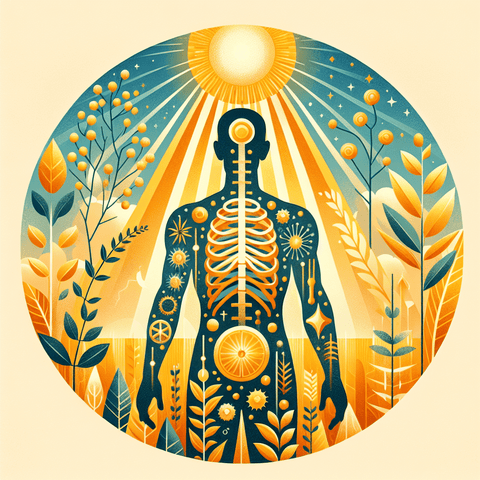
Vitamin D is often called the sunshine vitamin, but its impact on your body is far-reaching. While a simple blood test can confirm your status, understanding the impact of low vitamin D involves looking at your lifestyle, diet, and how your body uses this essential nutrient. This page serves as a central guide to help you understand the broad topic of vitamin D status, explore the factors that can affect it, and consider practical steps that may help you maintain healthy levels.
What is the Impact of Low Vitamin D on the Body?
The impact of low vitamin D is often subtle at first and can be easily overlooked. Vitamin D is not just a vitamin; it functions more like a hormone, influencing numerous systems throughout the body. It plays a critical role in calcium absorption, which is fundamental for maintaining strong and healthy bones. Without sufficient vitamin D, your body cannot effectively use the calcium you consume from your diet, regardless of how much of it you eat.
Beyond bone health, vitamin D is involved in supporting normal muscle function and a healthy immune system. While research continues to explore its full range of actions, it's clear that maintaining a balanced vitamin D level is a key component of overall wellness. Rather than focusing on specific symptoms, this page encourages a broad awareness of how this nutrient supports your daily health and the importance of a proactive approach to maintaining healthy levels.
Key Factors That Contribute to Low Vitamin D
Several everyday factors can contribute to low vitamin D status, and understanding them is the first step in addressing the impact of low vitamin D. These factors usually relate to how you get vitamin D and how your body processes it.
Sunlight Exposure and Geography
Your skin naturally produces vitamin D when exposed to ultraviolet B (UVB) rays from the sun. However, several variables influence how much you produce. Your geographic location, the season, and the time of day all play a role. People living in higher latitudes or those who spend most of their time indoors often have limited sun exposure, which can make it harder to maintain optimal levels through sunlight alone.
Dietary Intake and Absorption
Vitamin D is found naturally in a limited range of foods, including fatty fish like salmon and mackerel, egg yolks, and fortified products like some dairy and cereals. If your typical diet is low in these foods, you may not be getting enough vitamin D to meet your body's needs. Additionally, because vitamin D is fat-soluble, your body needs to absorb it with dietary fat. Certain digestive conditions can impact fat absorption, which in turn may affect how well you absorb vitamin D from food or supplements.
Lifestyle and Individual Factors
Lifestyle choices also have a direct impact on your vitamin D levels. For instance, using sunscreen consistently, while important for skin protection, will also reduce vitamin D synthesis. Furthermore, as we age, our skin becomes less efficient at producing vitamin D. People with darker skin tones have more melanin, which also reduces the skin's ability to produce vitamin D from the sun. These factors help explain why vitamin D status can vary significantly from person to person.
Practical Strategies to Support Healthy Vitamin D Levels
If you are concerned about the impact of low vitamin D, there are several practical, everyday strategies you can consider. These approaches focus on balance and consistency rather than prescriptive outcomes.
Approaching Sunlight Safely
Planning time outdoors during daylight is a natural way to support vitamin D production. The key is balance. While some sun exposure is beneficial, it's crucial to protect your skin from burning. The amount of time needed varies greatly depending on your location, skin tone, and the season. Remember to follow local health guidelines on sun safety, and never spend enough time in the sun to let your skin burn. This approach focuses on safe, practical steps rather than precise timings.
A Diet-First Perspective
Thinking about nutrition in terms of patterns rather than individual items can be helpful. Instead of focusing on a single 'magic' food, consider your overall dietary pattern. Including foods that naturally contain vitamin D, or are fortified with it, as part of a varied and balanced diet can contribute to your intake. This holistic approach to eating, which includes a wide range of nutrients, is a sensible foundation for supporting your overall health, not just your vitamin D status.
The Role of Supplements
When diet and sunlight are not enough, a supplement can be a practical consideration. However, it is important to approach this responsibly. Since the impact of low vitamin D is unique to each individual, it's essential to seek guidance from a qualified healthcare professional. They can review your specific situation, consider potential interactions with any medications you take, and recommend an appropriate plan. This page intentionally avoids endorsing particular products or dosing, emphasizing that personalized planning and monitoring are the most important factors. For a broader look at supplements, you can browse our
When considering a supplement, more is not necessarily better. A healthcare professional can help you determine if you need one DES based on a blood test. They can also guide you on the correct form and dosage, if any, that is safe and suitable for you. The goal is to make an informed decision based on your health profile, not to self-treat a potential deficiency without proper guidance.
How Long Does It Take to Correct Low Vitamin D?
The time it takes to correct low vitamin D is not a one-size-fits-all answer. It depends on the severity of the deficiency, the method chosen to address it, and individual factors like your metabolism and absorption. Under the guidance of a healthcare professional, you might begin to see changes in a blood test within a few months of consistent supplementation or increased sunlight exposure. A doctor can monitor your progress and adjust the plan as needed.
The most important thing is to focus on a sustainable, consistent approach rather than a quick fix. Whether you are adjusting your diet, spending more time outdoors, or using a supplement under medical supervision, consistency is the key to seeing a long-term improvement in your vitamin D status and mitigating the impact of low vitamin D over time.
Frequently Asked Questions About Vitamin D
When researching vitamin D, a few questions often arise. Here are concise answers to some common broad inquiries.
What drains vitamin D from your body?
Certain factors can contribute to lower vitamin D levels over time. Inadequate sun exposure is a primary factor, as is a diet consistently low in vitamin D-rich foods. Some medications and certain medical conditions that affect fat absorption can also reduce your body's vitamin D levels. As we age, our bodies are also less efficient at producing it. If you are concerned about these factors, discussing them with a healthcare provider can be helpful.
Will low vitamin D cause weight gain?
The relationship between vitamin D and weight is a complex area of research. Some observational studies have noted a link between low vitamin D levels and higher body weight, but this does not mean low vitamin D causes weight gain. It's more likely that factors associated with being overweight, such as a less nutrient-dense diet and less outdoor activity, can contribute to lower vitamin D levels. Maintaining a healthy weight through a balanced diet and regular physical activity is one of the best things you can do for your overall health, which includes supporting adequate vitamin D status.
What are the signs of vitamin D deficiency to not ignore?
Vitamin D deficiency can be subtleholde but there are some common signs to be aware of. Persistent tiredness or fatigue, bone and muscle aches, and mood changes like feeling down or low can sometimes be linked to low vitamin D levels. If you are experiencing any of these symptoms consistently, it's a good idea to speak with a doctor. Only a blood test can confirm whether your levels are lowholde, so seeking professional advice is the most reliable way to know.
Exploring Further: Related Nutritional Topics
Vitamin D works in concert with several other nutrients to support your health. It is essential for the absorption of calcium, a mineral you can learn more about in our
Magnesium is also a crucial partner for vitamin D, as it is needed to activate vitamin D in the body. Ensuring adequate intake of these nutrients is part of a holistic approach to wellness. You can explore more about magnesium and its role in energy and bone support in our
While individual nutrients are important, they are most effective as part of a balanced diet and healthy lifestyle. If you are thinking about your overall nutritional intake, our
Understanding how these nutrients interact—like the relationship between vitamin D, calcium, and magnesium—is a key part of building a comprehensive understanding of your health. The impact of low vitamin D is best understood not in isolation, but as part of a complex and interconnected system of nutrition.