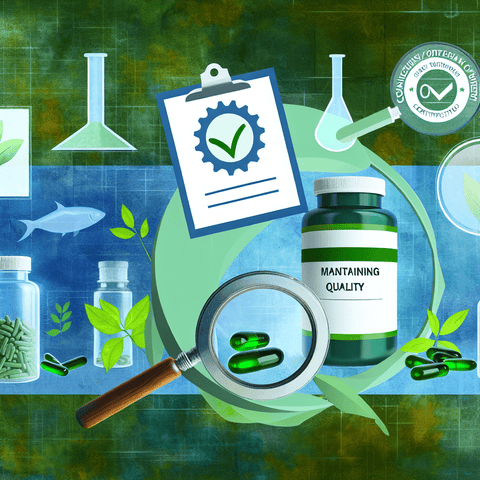
contenuto Fai scelte di integratori più intelligenti e sicure con la nostra guida pratica. Impara passaggi basati su evidenze per valutare qualità, dosaggio, interazioni e etichette. Il nostro quadro di riferimento si concentra su decisioni informate sugli integratori—offrendoti una strada chiara per confrontare i prodotti, capire cosa stai usando e decidere con fiducia. La qualità è importante perché i prodotti affidabili rispettano standard definiti. Cerca liste di ingredienti trasparenti, informazioni chiare sulla provenienza e pratiche di produzione che riducono il rischio di contaminazione. Preferisci marchi che pubblicano risultati di test di terze parti o possiedono certificazioni da USP, NSF o altri programmi affidabili. Quando sono disponibili informazioni specifiche sui lotti o certificati, esaminali per valutare la coerenza e la qualità tra i diversi cicli di produzione. Dosi e interazioni: segui le indicazioni riportate in etichetta riguardo alla quantità e alle istruzioni, e evita di combinare prodotti senza consulenza professionale. Se assumi farmaci o hai condizioni mediche, discuti di possibili interazioni con un medico qualificato o un farmacista prima di aggiungere qualsiasi integratore alla tua routine. Tenere un semplice registro di ciò che assumi può aiutarti a individuare schemi e evitare l’uso eccessivo. Le etichette raccontano la storia di un prodotto. Impara a leggerle accuratamente: ingredienti attivi, altri ingredienti (compresi possibili allergeni), forma e dosaggio, avvisi di rischio, data di produzione, data di scadenza e dettagli di contatto del produttore. Nota il numero di lotto o batch per la tracciabilità e verifica eventuali avvisi di richiamo o avvisi di sicurezza. Seguendo questi passaggi, puoi supportare decisioni informate sugli integratori.
Decisions informati sugli integratori: la tua guida pratica per integratori più sicuri e intelligenti
Choosing dietary supplements can feel overwhelming when products, brands, and online information vary widely. Making informed supplement decisions means approaching these choices with a clear, practical framework. This guide outlines the key factors to consider when evaluating supplements, from quality and labeling to dosing and safety, so you can compare products with greater confidence.
Why Informed Supplement Decisions Matter
Dietary supplements include a broad range of products such as vitamins, minerals, herbs, amino acids, and other botanical or nutritional ingredients. Because regulations and manufacturing practices can differ between brands and markets, a thoughtful approach helps you focus on what is actually in a product and how it is made. Informed decisions are not about finding a single “best” supplement for everyone. They are about understanding the specific factors that make a product suitable for your individual situation.
Two products may appear similar on the surface, but differences in ingredient sourcing, manufacturing quality, testing, and transparency can be meaningful. Learning how to evaluate these factors helps you look beyond front-label claims and assess products on the basis of verifiable information.
Core Principles for Evaluating Supplements
A few broad principles can guide most supplement evaluations. These principles apply across different product types, from vitamins and minerals to herbal and specialty supplements.
Quality: Look for Transparency and Testing
Quality is a foundational consideration. Trustworthy products typically have transparent ingredient lists, clear sourcing information, and manufacturing practices designed to reduce the risk of contamination. Look for brands that publish third-party test results or hold certifications from recognized programs. When batch-specific information or certificates of analysis are available, review them to assess consistency across lots. These practices can offer useful signals about a company's commitment to quality.
Dosing: Follow Label Directions and Seek Guidance When Needed
Using supplements responsibly means following the labeled serving size and directions unless a qualified professional advises otherwise. Avoid combining multiple products without professional guidance, as this can increase the risk of unintended interactions. If you take medications or have underlying medical conditions, discussing potential interactions with a clinician or pharmacist before adding a supplement is an important safety step.
Labels: Learn to Read Beyond the Front
The label tells a story about the product. Reading it thoroughly means looking beyond the front panel and checking the supplement facts panel for active ingredients, other ingredients, potential allergens, form, and dosage. Note risk warnings, manufacturing and expiration dates, and contact details for the manufacturer. The lot or batch number is also useful for traceability, allowing you to check for notices about recalls or safety advisories.
Practical Steps for Comparing Products
When you are trying to decide between supplements, a simple comparison process can help you stay organized. The following steps provide a high-level approach to evaluating products side by side.
- Identify why you are considering the supplement and what specific ingredient or nutrient you are looking for.
- Compare the supplement facts panels, focusing on the active ingredient, its form, and the labeled amount per serving.
- Review the other ingredients list for fillers, allergens, or additives you prefer to avoid.
- Check whether the brand provides third-party testing results, certificates of analysis, or other quality documentation.
- Note the batch or lot number, manufacturing date, and expiration date for traceability purposes.
This framework applies broadly whether you are researching a single vitamin, a multivitamin, or a more specialized product category. For example, understanding the general principles of quality and labeling can help you navigate our guides on natural supplements with greater clarity.
Understanding Different Supplement Categories
Supplements span many categories, each with its own considerations. Understanding how these categories differ can help you make more targeted choices. The following list highlights some of the major categories you may encounter.
- Vitamins and minerals: essential nutrients that support various bodily functions. Examples include vitamin D, magnesium, calcium, and B vitamins.
- Herbal and botanical supplements: products derived from plants, often used for general wellness purposes. Examples include turmeric and ashwagandha.
- Specialty supplements: products targeting specific needs, such as omega-3 fatty acids, probiotics, or amino acids.
- Sports and performance supplements: products designed to support active lifestyles or fitness routines.
Each of these categories has its own common ingredient profiles and potential considerations. For instance, those interested in single-nutrient products may find our guides on vitamin D or magnesium useful starting points.
Common Questions About Supplement Quality and Trust
When researching supplements, certain recurring questions often come up. These questions can help you sharpen your evaluation process. Below are a few common areas of interest, along with brief context.
What does it mean for a supplement to be Informed Choice certified?
Informed Choice is an example of a third-party certification program. Programs like this are designed to test supplements for banned substances and provide athletes with greater confidence in what they are consuming. Certification programs generally involve independent testing and may include quality checks. If a product carries a certification logo, it typically means the manufacturer has voluntarily submitted to testing through that program. Certifications can be useful signals, but it is always worth understanding what a particular program actually tests for.
Are there supplements approved by the NCAA?
This is a nuanced question. The NCAA does not typically “approve” supplements in the same way it might approve equipment. Instead, it provides guidance about ingredients that may be banned in collegiate sport. Athletes are generally responsible for what they consume, which is why many look for third-party testing programs that screen for prohibited substances. If you are an athlete, checking with your institution's compliance office or medical staff is the most reliable way to understand what is permitted.
Building a Personal Supplement Routine
Once you understand how to evaluate individual products, the next step is thinking about how supplements fit into your broader routine. A few practical habits can support a more organized approach.
- Keep a simple log of what you take, including the product name, dose, and time of day.
- Review your supplement list periodically with a healthcare professional to ensure it remains appropriate.
- Store supplements according to label instructions to maintain quality over time.
- Check for updated safety information or recalls related to the products you use.
These practices help transform supplement use from a passive activity into an ongoing, informed process. They also make it easier to have productive conversations with clinicians or pharmacists about your choices.
Exploring Specific Product Categories
This guide provides the general framework for informed supplement decisions. For more specific information about particular nutrients or product types, our category pages offer deeper context. You may find the following resources helpful as you continue your research.
If you are interested in foundational nutrients, exploring our multivitamins guide can help you understand how different vitamins combine. For those focused on single nutrients, our vitamin D and magnesium guides provide more detail on popular options.
Ultimately, informed supplement decisions come down to being curious, asking good questions, and taking a methodical approach. By learning to evaluate quality, understand labels, respect dosing, and keep safety considerations in mind, you can navigate the supplement aisle with greater confidence.