it
Verifica rapidamente l'autenticità delle etichette: individua etichette vere vs false
Label authenticity verification is the practice of examining a product's label to determine whether it is genuine or counterfeit. This process is relevant across many industries, from food and beverages to cosmetics, electronics, and nutritional supplements. Counterfeit products often use labels that closely mimic the original, but upon closer inspection, they reveal small differences in materials, printing, or security features. Understanding how to check a label properly helps consumers avoid fake goods, protect their purchases, and trust the products they bring into their homes.
This page covers the main aspects of label authentication, including the types of security features commonly used, how to inspect labels step by step, and what to do when a label raises suspicion. Whether you are checking a new supplement bottle or a luxury item, the same basic principles apply.
Common Security Features on Authentic Labels
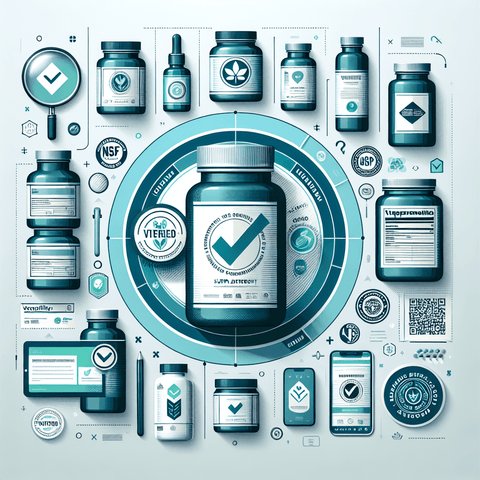
Manufacturers use a range of security features to differentiate genuine labels from counterfeits. These features are designed to be difficult to reproduce accurately, making it easier for consumers to spot fakes. The most common features include:
- Holograms: These are three-dimensional images that change appearance as the label is tilted. Authentic holograms have a smooth, clear transition, while fakes often appear dull or static.
- QR codes: Scannable codes that direct the user to a verification page on the brand's official website. A genuine QR code should lead to a secure, relevant page, not a generic search result.
- Microtext: Extremely small text that is difficult to read without magnification. On authentic labels, microtext is crisp and legible under a magnifier; on fakes, it is often blurry or illegible.
- Serial numbers: Unique codes that can be checked against a brand's database. Entering the number on the official verification portal confirms whether the product has been registered as genuine.
- Tamper-evident seals: These show clear signs of opening, such as a broken seal or a void pattern that leaves a visible mark once removed. Their absence may indicate that the product was opened or repackaged.
Not every label includes all these features, but the presence of one or more is a strong indicator of authenticity. The absence of any expected security feature should raise a red flag.
Comparing Verification Methods
Different verification methods offer different levels of security and convenience. Understanding how they compare can help you choose the most reliable approach for a given product.
QR codes are convenient because they can be scanned with a smartphone, but they are only as reliable as the destination URL. Holograms are difficult to replicate but require visual inspection. Serial number lookups are highly accurate when checked against an official database, but they depend on the brand maintaining that database. A combination of methods is often the most effective strategy.
How to Inspect a Label Step by Step
Visual Examination
Start by examining the label with your eyes. Look at the logo, brand name, and any graphics. Authentic labels are printed with high precision—colours are consistent, fonts are sharp, and there are no smudges or misalignments. Counterfeit labels often have slight colour variations, blurry text, or crooked placement. Compare the label to a known authentic version if you have one, or look up the official product images online.
Tactile Inspection
Touch the label to assess the material quality. Authentic labels are typically made of durable materials that feel smooth and substantial. Counterfeit labels may feel thinner, rougher, or flimsier. Run your finger over any raised areas—embossed logos or textures should be distinct and well-defined.
Using Magnification
A magnifying glass or a smartphone macro lens reveals details invisible to the naked eye. Check for microtext: on a genuine label, it is perfectly legible under magnification. Also look at the edges of printed elements—authentic prints have clean edges, while fakes may show jagged lines or pixelation. Security threads or special inks, if present, become visible under magnification.
Scanning Digital Features
Use your smartphone to scan any QR codes on the label. Ensure the link leads to a secure, official brand page, not a random website. If the label has a serial number, enter it into the brand's official verification portal. Be cautious of labels that have a QR code directing you to a lookalike website—this is a common tactic used by counterfeiters.
Label Material and Print Quality
The material and printing process are major indicators of authenticity. Genuine labels are produced using high-quality materials that withstand handling and environmental conditions. The print is typically resistant to scratching and smudging. Counterfeit labels may flake, fade quickly, or smudge when rubbed. Pay attention to how the label adheres to the product—authentic labels are applied uniformly without bubbles or wrinkles.
Colour accuracy is another cue. Brand colours are often specific, and even a slight deviation can indicate a fake. For example, a shade of blue that looks slightly green or a red that is too bright may be a sign of counterfeit printing.
Information Consistency on the Label
Authentic labels contain accurate and consistent information. This includes the product name, ingredients, manufacturer details, batch numbers, and expiry dates. Cross-check this information with the official brand website. Discrepancies in spelling, missing regulatory symbols, or inconsistent lot numbers are warning signs. For nutritional supplements, the label should clearly list all active ingredients and their amounts, matching the official product description.
For food products, look for proper allergen declarations and nutritional facts. For cosmetics, the INCI ingredient list should be present. Any missing or altered information is a reason to doubt the label's authenticity. Additionally, be wary of labels that claim to be "new and improved" when the product you purchased should match an established version.
Using Official Resources for Verification
One of the most reliable methods of verification is to use the brand's official resources. Many companies offer online verification tools where you can enter a serial number or scan a QR code. The brand's website is the primary source of truth. Compare the product label with the images and descriptions available on the official product page. If the brand has a mobile app with a verification feature, use it to cross-check the product.
When in doubt, reach out to the brand's customer service team directly. Provide clear photos of the label, packaging, and any security features. A genuine brand representative can help confirm whether the product is authentic. Remember that official verification channels are always the most trustworthy compared to third-party sources.
Buying from Authorized Retailers
The simplest way to reduce the risk of counterfeit products is to purchase from authorized retailers. These include the brand's own stores, official online shops, and certified distributors. Authorized sellers receive products directly from the manufacturer, ensuring the integrity of the supply chain. Be cautious of deals that offer a product at significantly lower prices than usual—this is often a red flag for counterfeit goods.
If you are purchasing from a third-party marketplace, check the seller's ratings, reviews, and whether they are officially verified by the brand. Some brands provide a list of authorized online sellers on their website. Taking the time to verify the seller can save you from buying a counterfeit product with a fake label.
Common Pitfalls in Label Authentication
Label authentication is not always straightforward. Some counterfeiters are sophisticated and reproduce labels that closely match the original. However, there are common pitfalls to avoid. One is relying solely on one security feature—if a hologram looks correct but the label material feels off, the product may still be fake. Another is ignoring inconsistencies in the information; even a single typo can be a tell-tale sign.
Also, avoid making assumptions based on the packaging alone. Some counterfeiters use genuine packaging but insert a different product inside. Check the label on the product itself, if possible, and compare it with the packaging label. Finally, do not disregard your intuition—if something feels wrong about the label, investigate further or seek expert advice.
Label Authentication in the Nutritional Supplement Industry
For nutritional supplements, label authenticity is especially important because counterfeit products may contain incorrect ingredients or harmful substances. A genuine supplement label lists the exact dose of each active ingredient, the batch number, and the expiration date. It should also include the manufacturer's contact information and any relevant certifications. If a supplement label lacks these details or appears altered, it is best to avoid the product.
Consumers can also look for third-party testing seals, such as those from independent laboratories. While the absence of such seals does not automatically indicate a fake, their presence adds credibility. For more information on specific supplements, you may want to explore our natural supplements collection or browse individual vitamin guides. These resources can help you understand what to look for in a product's label.
Frequently Asked Questions About Label Verification
What should I do if I find a label I cannot verify?
If you cannot verify the label through official channels, contact the brand with clear photos of the label, packaging, and any serial numbers. A legitimate company will usually respond with guidance. If the brand confirms the product is counterfeit, do not use it, and consider reporting the seller to the relevant authorities.
Are QR codes always reliable for authentication?
QR codes are useful but only if they lead to an official brand website. Counterfeiters can create fake QR codes that point to lookalike domains. Always check the URL carefully before entering any information. A secure connection (https://) and a domain that matches the official brand are good indicators.
How accurate are serial number checkers?
Serial number verification is highly accurate when using the brand's official database. However, counterfeiters sometimes copy genuine serial numbers. A serial number that returns a "not found" result is a clear sign of a fake. A serial number that matches does not guarantee authenticity on its own, so combine this check with physical inspection.
Can holograms be faked?
Yes, but high-quality holograms with multiple layers of depth and colour shifts are difficult to replicate. A counterfeit hologram may be flat, have limited colour variation, or show a static image instead of a moving one. Examine the hologram under good lighting and tilt it from different angles to see if the effect matches the authentic version.
The Role of Certifications and Regulatory Bodies
Certifications from regulatory bodies provide an additional layer of assurance for label authenticity. For instance, organic certifications or Good Manufacturing Practice (GMP) seals are printed on labels only after passing strict audits. These certifications are not easy to counterfeit because they often include unique registration numbers that can be verified. If a product claims to have a certification, you can check the certifying body's database to confirm.
In the European Union, the EFSA (European Food Safety Authority) regulates health claims and requires comprehensive labelling. For more details on nutrient-specific labelling, you might find our Vitamin D benefits and safety information or magnesium benefits guide useful. These resources explain what regulatory labels should contain.
Building a Routine for Verifying Authenticity
Making label verification a habit helps you become more skilled at spotting fakes. Start by familiarizing yourself with the standard packaging and labelling of the brands you buy regularly. This knowledge makes it easier to notice when something looks different. Keep a magnifier handy for quick checks, and never skip the QR scan when available.
Document your findings when you encounter a suspicious label—take photos and note the details. This information is valuable if you need to report the counterfeit. Over time, these practices become second nature, and you will be able to evaluate a label's authenticity within minutes.