
it e il fegato e i reni sono fondamentali per il modo in cui il corpo gestisce il metabolismo e la filtrazione. Comprendere come la vita quotidiana si interseca con la funzione di fegato e reni può aiutarti a riflettere sul benessere in termini pratici e basati sulla scienza. Questa pagina evidenzia idee e approcci di routine con un'attenzione costante alla salute di fegato e reni nella vita di ogni giorno. Il tono è informativo e osservazionale, invitandoti a esplorare passi che si adattano alle tue circostanze. Abitudini quotidiane da considerare includono mantenere un ritmo del sonno regolare e integrare movimenti che si adattino alla tua energia e al tuo programma. La consapevolezza o altre pratiche di gestione dello stress possono far parte di una routine equilibrata. Inoltre, l'uso di farmaci e integratori sotto guida professionale e la riduzione dell'esposizione a sostanze chimiche potenzialmente nocive fanno parte di un approccio attento a sostenere la funzione di fegato e reni. Controlli medici regolari consentono di monitorare lo stato degli organi e possono guidare aggiustamenti nelle abitudini nel tempo. Le idee alimentari per la salute di fegato e reni sono meglio discusse con un medico o un dietista. Concentrati su schemi alimentari generali, orari dei pasti e coerenza piuttosto che su un singolo alimento. Il tuo team sanitario può aiutarti a associare le abitudini alimentari quotidiane alle considerazioni di fegato e reni e a allinearle con i tuoi obiettivi di salute. L'importanza rimane su una pianificazione pratica e personalizzata piuttosto che su prescrizioni rigide. Routine semplici possono creare una base stabile e sostenibile. Considera un controllo quotidiano su come ti senti, il tempo per movimento e riposo, e un piano per gli screening regolari della tua salute come consigliato dal tuo team medico. Tieni un registro leggero di cambiamenti notevoli o domande da portare agli appuntamenti. Con fegato e reni come tema guida, questi piccoli passi possono adattarsi a molti stili di vita diversi e sostenere una consapevolezza continua del tuo benessere.
Salute al fegato e ai reni: consigli essenziali per un te più forte
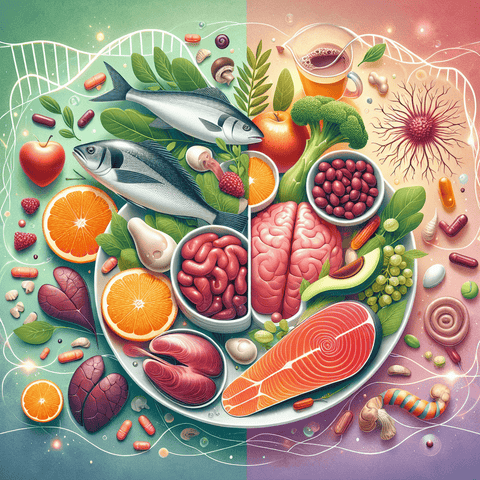
The liver and kidneys are two of the body's most important organs for processing, filtering and balancing what circulates in the blood. The liver handles a broad range of metabolic tasks, including the breakdown of substances and the preparation of nutrients for use or storage. The kidneys filter blood, help regulate fluid and electrolyte balance and support the removal of waste products. Because their functions overlap and influence each other, liver and kidney health is often discussed as a connected topic. This page provides a broad overview of how these organs relate, what may influence their function and which daily considerations are commonly discussed.
What the Liver and Kidneys Do
The liver and kidneys perform different but complementary roles. Understanding these roles helps explain why they are often discussed together in general health information.
The Liver
The liver is involved in metabolising nutrients, processing many substances that enter the body and producing compounds the body needs. It also plays a role in storing certain vitamins and minerals and in preparing waste products for elimination. Because of this wide range of tasks, liver function is relevant to many aspects of general health.
The Kidneys
The kidneys filter blood and help regulate the balance of water, salts and other substances in the body. They also support the removal of waste products through urine. Kidney function is often described in terms of filtration and fluid balance, but the kidneys also interact with many other systems in the body.
How the Liver and Kidneys Are Connected
The liver and kidneys are linked through what is sometimes called organ crosstalk. The liver processes many substances that the kidneys later filter, and the kidneys help maintain the internal environment in which the liver operates. When one organ is under stress, the other may also be affected over time, which is one reason clinicians may monitor both together in certain situations.
This relationship does not mean that changes in one organ always cause changes in the other. However, it helps explain why general health discussions often group liver and kidney topics. Readers interested in this area may encounter terms such as hepatorenal syndrome, combined organ stress or metabolic load. Understanding these concepts can support more informed conversations with a healthcare professional.
Factors That May Influence Liver and Kidney Function
Many factors can influence liver and kidney function over time. Some are related to health conditions, while others are linked to lifestyle or environmental exposures. General information can help readers understand the broader context, but individual circumstances vary and should be discussed with a healthcare professional.
- Health conditions such as diabetes and hypertension, which are commonly discussed in relation to kidney and liver health.
- Use of medications or supplements, particularly when taken without professional guidance or in combinations that may affect organ function.
- Exposure to potentially harmful chemicals, including some substances encountered in certain workplaces or environments.
- Lifestyle patterns such as diet, hydration, sleep, physical activity and stress management, which are generally discussed as part of overall health.
These factors are not intended to suggest that any single habit or exposure directly causes a specific outcome. Rather, they illustrate the kinds of considerations that may be relevant when discussing liver and kidney health with a care team.
Signs and Symptoms Commonly Discussed
General information about liver and kidney problems often includes signs and symptoms that may prompt someone to seek medical advice. These can vary widely depending on the underlying cause and the individual. Common themes in health education include fatigue, changes in urine output or appearance, swelling, and changes in skin or eye colour. However, these signs are non-specific and may have many possible explanations.
This page does not provide a diagnostic list. Anyone concerned about liver or kidney symptoms should consult a healthcare professional for appropriate evaluation. More detailed articles associated with this tag may explore specific symptom patterns and diagnostic approaches.
Everyday Considerations for Liver and Kidney Support
Everyday habits are frequently discussed in relation to liver and kidney health, though individual needs vary. The following general considerations are commonly mentioned in health education.
- Staying adequately hydrated, while respecting any fluid recommendations from a healthcare professional if applicable.
- Eating a balanced diet with a variety of foods, and discussing personal dietary patterns with a clinician or dietitian where needed.
- Maintaining a regular sleep pattern and incorporating movement that suits your energy and schedule.
- Using medications and supplements under professional guidance, and minimising exposure to potentially harmful chemicals.
- Keeping regular medical checkups so that organ status can be monitored and routines adjusted over time if needed.
Diet ideas for liver and kidney health are best discussed with a clinician or dietitian. General dietary patterns, meal timing and consistency are often emphasised rather than any single item. Your care team can help map everyday eating patterns to liver and kidney considerations and align them with your health goals.
Nutrition, Supplements and Organ Health
Nutrition plays a role in overall health, and certain nutrients are involved in processes relevant to the liver and kidneys. However, general information about nutrients should not be interpreted as a recommendation to use supplements for organ support. Supplement use is an individual decision that should be discussed with a healthcare professional, especially for people with existing health conditions or those taking medication.
Readers exploring this topic may also be interested in broader information about mineral supplements and antioxidants. These categories provide general educational context and are not intended as treatment recommendations for liver or kidney conditions.
Prognosis and When to Seek Medical Advice
Questions about life expectancy and prognosis in liver and kidney failure are complex and highly individual. General information cannot provide a reliable answer for any specific person. Outcomes depend on many factors, including the underlying cause, how early the condition is identified, the person's overall health and the treatment approach. Anyone seeking information about prognosis should speak with a qualified healthcare professional who can consider their individual circumstances.
This page is intended for general education and is not a substitute for professional medical advice. If you have concerns about liver or kidney health, or if you experience symptoms that worry you, seek guidance from a healthcare professional.
Exploring the Topic Further
Liver and kidney health touches on many areas, including organ function, the relationship between the two organs, factors that may influence them and general daily considerations. The articles associated with this tag page explore more specific questions and themes. This hub is designed to provide a broad overview that supports those deeper dives.
For readers interested in general nutritional context, our antioxidant supplements collection may provide useful background. As always, individual health decisions should be made in consultation with a qualified professional.