Contenuto di magnesio negli frutti: quali frutti sono più ricchi di magnesio?


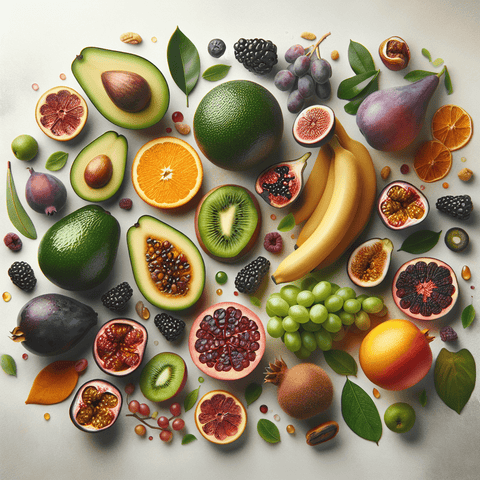
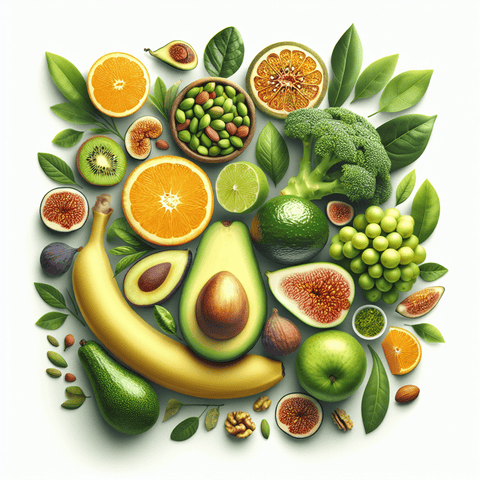
Discover which fruits pack the most magnesium and how to add them to your daily meals. The magnesium content in fruits varies by type and serving size, with some fruits offering higher amounts than others. This page centers on the magnesium content in fruits and provides simple ideas for weaving these options into everyday meals. By looking at the magnesium content in fruits, you can compare choices and find easy ways to include them in your routine. Among commonly available options, some fruits stand out for their higher magnesium content in fruits per standard serving. Avocados, bananas, kiwifruit, and certain dried fruits like figs are frequently noted for their mineral content relative to other fruits. Keep in mind that the exact magnesium content in fruits depends on variety and whether the fruit is fresh or dried, so numbers can vary. If you’re tracking mineral content, checking reliable nutrition sources can help you compare like with like. Practical ideas to add these fruits to daily meals include spreading avocado on toast, blending banana into smoothies, topping yogurt with kiwifruit slices, and mixing figs into oats or salads. You can pair these fruits with complementary ingredients to create quick, satisfying combos that highlight the magnesium content in fruits. Keeping a prepared assortment on hand makes it easier to incorporate more fruit-based options into your meals. To keep your choices varied, rotate fresh and dried options and plan ahead for busy days. Store bananas at room temperature until ripening, avocados at room temperature until ready to eat, kiwifruit in the refrigerator once ripe, and dried figs in a cool, sealed container. With these simple steps, you can consistently include a range of fruits and their magnesium content in fruits across different meals and snacks. --- **it:** Scopri quali frutti contengono più magnesio e come aggiungerli ai tuoi pasti quotidiani. Il contenuto di magnesio nei frutti varia in base al tipo e alla porzione, con alcuni frutti che offrono quantità superiori rispetto ad altri. Questa pagina si concentra sul contenuto di magnesio nei frutti e offre semplici idee per integrare queste opzioni nei pasti di tutti i giorni. Guardando al contenuto di magnesio nei frutti, puoi confrontare le scelte e trovare modi facili per includerli nella tua routine. Tra le opzioni più facilmente reperibili, alcuni frutti si distinguono per il loro contenuto di magnesio per porzione standard. Avocado, banane, kiwi e alcuni frutti secchi come i fichi sono spesso citati per il loro contenuto minerale rispetto ad altri frutti. Ricorda che il contenuto esatto di magnesio nei frutti dipende dalla varietà e dal fatto che siano freschi o secchi, quindi i valori possono variare. Se stai monitorando il contenuto minerale, consultare fonti affidabili di nutrizione può aiutarti a confrontare elementi simili. Le idee pratiche per aggiungere questi frutti ai pasti quotidiani includono spalmare l’avocado su pane tostato, frullare la banana negli smoothies, mettere fette di kiwi sopra lo yogurt e mescolare i fichi nell’avena o nelle insalate. Puoi abbinarli ad altri ingredienti complementari per creare combinazioni rapide e soddisfacenti che evidenzino il contenuto di magnesio nei frutti. Avere un assortimento preparato a portata di mano rende più facile integrare più opzioni a base di frutta nei tuoi pasti. Per mantenere la varietà delle scelte, alterna frutti freschi e secchi e pianifica in anticipo nei giorni impegnativi. Conserva le banane a temperatura ambiente fino alla maturazione, gli avocadi a temperatura ambiente fino a pronti, i kiwi in frigorifero una volta maturi e i fichi secchi in un contenitore fresco e sigillato. Con questi semplici passaggi, puoi inserire costantemente una serie di frutti e il loro contenuto di magnesio nei frutti in pasti e snack diversi.


Which fruit contains a lot of magnesium? - Topvitamine
Dec 18, 2025
La frutta ricca di magnesio può contribuire all’apporto quotidiano del minerale, ma nessun frutto da solo copre generalmente il fabbisogno. Avocado, fichi e albicocche secche, datteri, banana e frutti di bosco sono opzioni utili, con valori diversi per porzione. L’articolo spiega quanta frutta scegliere, se una banana è sufficiente, quali sono i possibili segnali di carenza e quando valutare un integratore o un parere medico.
Where is magnesium found in a banana? - Topvitamine
Oct 31, 2025
Una banana media contiene circa 32 mg di magnesio, pari a una quota modesta del fabbisogno quotidiano. Il minerale è distribuito soprattutto nella polpa e la banana può contribuire a un’alimentazione varia, ma non è tra le fonti più concentrate. Scopri quali frutti e alimenti ne contengono di più, cosa mangiare per aumentare l’apporto e quando valutare un integratore con un professionista.
Which fruit is high in magnesium? - Topvitamine
Oct 25, 2025
La frutta ricca di magnesio può contribuire all’apporto quotidiano di questo minerale, anche se semi, frutta secca, legumi e cereali integrali ne contengono spesso quantità maggiori. In questa guida trovi una tabella con i valori medi di alcuni frutti, idee pratiche per consumarli e risposte su magnesio, glicemia e insufficienza renale. Gli integratori vanno valutati con un professionista in presenza di patologie o terapie.
Which fruit is richest in magnesium? - Topvitamine
Oct 21, 2025
La frutta ricca di magnesio può contribuire all’apporto quotidiano, ma i valori cambiano molto tra prodotti freschi ed essiccati. Tra i frutti comuni, i fichi secchi sono tra le fonti più concentrate per 100 g, mentre l’avocado offre una buona quantità per porzione. L’articolo confronta i principali frutti, spiega se una banana è sufficiente e indica come abbinare la frutta ad altri alimenti o, quando opportuno, a un integratore.
Which fruit has the most magnesium? - Topvitamine
Oct 14, 2025
Tra i frutti, i fichi secchi sono una delle fonti più concentrate di magnesio, mentre avocado e banana offrono quantità moderate e facili da consumare ogni giorno. Una singola banana non copre il fabbisogno quotidiano: per raggiungerlo è utile variare l’alimentazione includendo legumi, frutta secca, semi e cereali integrali. L’articolo include una tabella, idee pratiche, indicazioni sulle bevande e cautele per gli integratori.

Magnesium content in fruits is a topic many readers explore when they want to build a more mineral-conscious diet. Magnesium is an essential mineral that the body cannot produce itself, so regular dietary intake matters — and fruit is one of the food groups that contributes. Among commonly available options, prickly pear and dried figs are frequently noted for their comparatively high magnesium content, while fruits such as avocado, banana and jackfruit provide useful amounts in typical serving sizes. This page offers a broad overview of the topic: which fruits tend to rank higher, how fruit compares with other magnesium sources, what influences the numbers, and how to fit magnesium-containing fruits into everyday meals. The individual articles collected under this tag explore specific questions in more depth.

What Is Magnesium and Why Does Fruit Matter?

Magnesium is an essential mineral involved in many of the body's normal processes, including normal muscle function and the normal functioning of the nervous system. Because the body relies on dietary intake to maintain its magnesium supply, health authorities such as the National Institutes of Health (NIH) publish reference values describing how much magnesium most people should aim to consume each day.

Fruit is rarely the single richest source of magnesium in an overall diet, but it contributes meaningfully when eaten regularly and in variety. Fruit also pairs naturally with other magnesium-containing foods — nuts, seeds, oats, yogurt and legumes — which makes it an easy building block in everyday meal planning. Understanding how much magnesium different fruits contain helps you compare options and balance fruit intake against the rest of your diet.

Which Fruits Are Highest in Magnesium?

Magnesium levels differ widely from fruit to fruit. Based on standard nutrient databases such as USDA FoodData Central, prickly pear and dried figs sit near the top of the fruit range, with several other fresh and dried fruits contributing smaller but still useful amounts. For context, the daily value (DV) used on nutrition labels is 420 mg for adults, so even the most magnesium-rich fruits cover a portion — rather than all — of the day's needs in a single serving.

  • Prickly pear — approximately 85 mg per 100 g, among the highest magnesium contents found in any fruit.
  • Dried figs — approximately 68 mg per 100 g, making them one of the most concentrated fruit sources.
  • Dried apricots — approximately 32 mg per 100 g.
  • Durian — approximately 30 mg per 100 g.
  • Avocado — approximately 29 mg per 100 g.
  • Jackfruit — approximately 29 mg per 100 g.
  • Passion fruit — approximately 29 mg per 100 g.
  • Banana — approximately 27 mg per 100 g, a familiar everyday contributor.
  • Papaya — approximately 21 mg per 100 g.
  • Blackberries — approximately 20 mg per 100 g.
  • Kiwifruit — approximately 17 mg per 100 g, a modest but real contribution.

These figures are approximate. Values can differ between databases and vary with variety, ripeness, growing conditions and how the fruit is prepared, so treat them as indicative rather than exact. If you track mineral intake, checking a reliable source such as USDA FoodData Central helps you compare like with like.

Factors That Influence Magnesium Content in Fruit

Fresh and dried fruit are not directly comparable on a per-100-gram basis. Drying removes water, which concentrates the minerals a fruit contains — that is why dried figs and dried apricots show higher magnesium figures than most fresh fruits. Because a typical serving of dried fruit is also smaller than a serving of fresh fruit, the difference per actual portion is less dramatic than the per-100-gram numbers suggest.

Other factors play a role too. Variety, ripeness, growing conditions and storage can all influence the final mineral content, and serving sizes differ from fruit to fruit. This is one reason published values vary slightly between sources, and why it helps to check current reference data rather than relying on a single figure.

How Fruit Fits Into Daily Magnesium Intake

Reference intakes for magnesium generally fall between roughly 310 and 420 mg per day for adults, depending on age and sex. A single serving of fruit usually contributes a modest share of that total, so fruit works best as one component of a varied diet rather than as a standalone way to reach daily magnesium targets. A practical way to think about fruit is as a regular, enjoyable contributor that adds up across the day alongside other foods.

Other food groups are generally denser magnesium sources than fruit. Nuts, seeds, legumes, whole grains and leafy green vegetables typically provide more magnesium per serving, which is why they form the backbone of most magnesium-conscious eating patterns. Not every protein food contributes much magnesium either — eggs, for example, contain relatively small amounts — which underlines the value of combining several different food groups across the day.

If you would like to look beyond individual foods, our mineral supplements guide gives an overview of iron, zinc, selenium and other essential minerals in one place.

Practical Ways to Enjoy Magnesium-Containing Fruits

Adding more magnesium-containing fruit to your day does not require complicated planning. Small, repeatable habits tend to work best, and many build on meals you may already be eating.

  • Spread avocado on toast or add slices to salads and grain bowls.
  • Blend banana into smoothies or pair it with oatmeal.
  • Top yogurt with kiwifruit slices for a quick snack or breakfast addition.
  • Stir chopped dried figs into oats, salads or baked recipes.
  • Add dried apricots or passion fruit to trail mixes and fruit salads.

Pairing these fruits with complementary ingredients — nuts, seeds, oats, yogurt or whole grains — creates quick, satisfying combinations that fit naturally into breakfasts, snacks and desserts. To keep your choices varied, rotate fresh and dried options and keep a small assortment ready for busy days.

Simple storage habits help reduce waste as well. Store bananas at room temperature until they ripen, keep avocados at room temperature until they are ready to eat, refrigerate kiwifruit once ripe, and store dried figs in a cool, sealed container.

Magnesium Supplements and Where They Fit

For most people, a varied diet is the natural starting point for magnesium intake, and food should generally come first. That said, some people consider magnesium supplements — for example, when dietary intake is limited or when a healthcare professional suggests topping up. If you are exploring this route, our magnesium supplements collection gathers products focused on this mineral in one place.

Individual needs vary, and supplements are not suitable for everyone. Anyone thinking about magnesium supplementation — particularly people managing a medical condition, those taking prescription medication, and women who are pregnant or breastfeeding — should discuss it with a doctor or qualified healthcare professional first. General information like this page is educational and is not a substitute for personalised medical advice.

Exploring the Topic Further

The magnesium content in fruits is a broad topic with many useful branches. The articles collected under this tag go deeper into individual questions — comparisons between specific fruits, serving-size breakdowns, guidance on planning daily magnesium intake from food, and related mineral topics. Use this page as the map of the topic, and the articles below as focused deep dives into the parts most relevant to you.