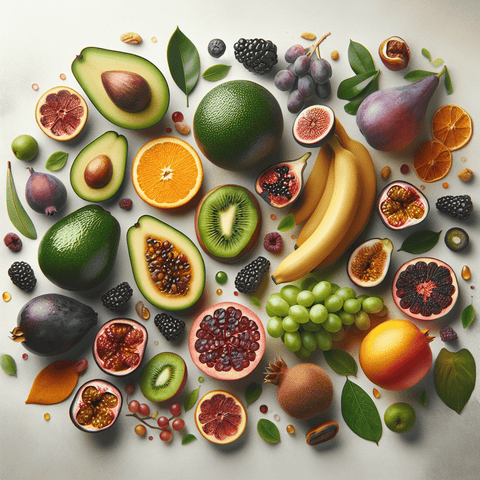
Magnesium-rich fruits are fruits that stand out for their comparatively high magnesium content per serving. Interest in the topic usually starts with a simple question: which fruits can help you add more magnesium to your day? This page provides the topical overview — what magnesium-rich fruit means, which fruits are most often cited, how fruit fits into your overall daily magnesium intake, and what to consider when choosing, storing or supplementing.
The articles collected under this tag explore individual fruits and specific questions in more depth. Treat this page as the map of the topic, and use the articles listed below it for the deep dives that interest you most.
What Is Magnesium and Why Does It Matter?
Magnesium is an essential mineral, which means the body needs it regularly and relies on the diet to supply it. It is involved in a wide range of normal bodily processes and is commonly associated with normal muscle and nerve function and energy metabolism.
How much magnesium any one person needs varies with age, sex and life stage. General adult reference values commonly cited in nutrition guidance fall roughly between 310 and 420 mg per day, but these figures are best read as broad orientation rather than personal targets.
Fruit is one of several food groups that contribute magnesium. It is rarely the single richest source — nuts, seeds, whole grains and legumes generally contain more per 100 grams — but certain fruits provide a useful amount while also supplying fiber, vitamins and other naturally occurring nutrients. That combination is one reason fruit features so consistently in balanced-eating guidance.
What Makes a Fruit Magnesium-Rich?
There is no official definition of a magnesium-rich fruit. The term is generally used for fruits whose magnesium content is notable compared with other fruits, based on food-composition data. Because guides draw the line in different places, the same fruit may appear on one list and be absent from another.
Several factors influence how much magnesium a particular fruit actually delivers:
- Variety and growing conditions
- Ripeness at the time of eating
- Whether the fruit is fresh, dried or frozen
- The serving size you actually eat
Because of these variables, the most reliable way to compare fruits is to consult a recognised nutrition database or the label on packaged fruit products, and to check which form and portion size the stated values refer to.
Fruits High in Magnesium: Commonly Cited Examples
Food-composition databases and popular nutrition guides tend to highlight a recurring group of fruits. The approximate figures below refer to typical serving sizes as reported in food-composition data; exact values vary with variety, ripeness, form and portion.
- Avocado — one of the most frequently mentioned magnesium-rich fruits; a whole avocado provides roughly 58 mg of magnesium.
- Bananas — better known for their potassium, but a medium banana also contributes about 32 mg of magnesium and is highly convenient.
- Papaya — a moderate contributor; a typical serving of papaya pieces provides around 33 mg of magnesium and adds variety to a magnesium-focused eating pattern.
- Dried figs — a classic example; because drying removes water, nutrients such as magnesium are more concentrated per 100 grams.
- Dried apricots and raisins — dried fruits whose magnesium content becomes more concentrated once the water is removed, although typical portions are smaller.
- Prickly pear — the fruit of the prickly pear cactus, highlighted in several food-database rankings of magnesium-rich fruits.
- Passion fruit — small but nutrient-dense, with a magnesium content that stands out for its typical serving.
- Jackfruit and durian — tropical fruits that appear with notable magnesium values in food-composition data.
- Guava and kiwifruit — commonly cited examples that are easy to find in most supermarkets.
Many of these fruits also appear in wider round-ups of nutrient-dense foods. If you would like to see how they fit into that broader category, our superfoods guide offers a structured overview.
Fresh, Dried and Frozen: Why the Form Matters
The same fruit can show very different magnesium figures depending on its form. Dried fruit concentrates nutrients per 100 grams but is usually eaten in smaller portions, while frozen fruit is typically used much like fresh. When you compare products or plan servings, always check whether the stated values refer to a fresh, dried or frozen portion so you are comparing like with like.
How Fruit Fits Into Your Daily Magnesium Intake
Because daily needs differ from person to person, no single fruit or portion guarantees a full day's magnesium for everyone. A banana a day is a convenient everyday habit, but with roughly 32 mg it makes only a modest contribution compared with general adult reference values — its real value comes from being part of a varied overall pattern of foods.
Reaching 100% of your daily magnesium is therefore less about one hero food and more about combining sources across the day. Alongside magnesium-rich fruit, other foods with magnesium that are commonly cited include:
- Nuts such as almonds and cashews
- Seeds, including pumpkin seeds
- Whole grains
- Legumes such as beans and lentils
- Leafy green vegetables
- Some waters, including certain mineral waters, which contribute small amounts of magnesium
Drinks can play a supporting role too. Smoothies built around magnesium-rich fruits, leafy greens and seeds are an easy way to combine several sources in one serving, and the mineral content of water varies by type and source, so labels are worth checking if drinks form part of your daily routine.
Magnesium belongs to the wider family of dietary minerals that also includes iron, zinc, selenium and others. If you would like to see how these nutrients relate to one another, our mineral supplements guide gives a structured overview of the category.
Magnesium Supplements: Where They Fit
Food first is the usual starting point, but magnesium supplements are also widely used, particularly by people who find it difficult to meet their needs through diet alone. Supplements come in different forms — such as citrate, glycinate and oxide — as well as different formats, and these differ in characteristics that can matter for individual circumstances.
If you are considering a supplement, it helps to start with a clear overview of what is available. Our magnesium supplements collection gathers products in one place so you can compare options.
Supplements are not a substitute for a varied, balanced diet, and they are not right for everyone in every situation. If you suspect your magnesium intake is low, or you take prescription medication, it is sensible to talk to a doctor or other qualified healthcare professional before starting any supplement.
Choosing, Storing and Enjoying Magnesium-Rich Fruit
When shopping, nutrition databases and product labels are the best tools for comparing options. If you are choosing between fresh, dried and frozen versions, remember that the form affects both the stated values and the portion you are likely to eat.
Good storage and handling help maintain texture and flavor, which makes it easier to keep these fruits in regular rotation. Some simple ways to use magnesium-rich fruit day to day include:
- Sliced avocado on toast or in salads
- Mashed banana stirred into cereals or blended into smoothies
- Chopped figs as a topping for yogurt
- Kiwifruit to brighten up fruit salads
- Guava on its own or paired with citrus
Important Considerations
Everything on this page is general, educational information rather than personal advice. Nutritional needs are individual, and factors such as overall diet, health status and medication use all play a role. Frequently asked questions — how to reach 100% of your daily magnesium, which drinks contribute most, whether one banana a day is enough, or whether particular cravings are linked to magnesium status — ultimately depend on personal circumstances. Questions about low intake, deficiency signs and food cravings are explored in more depth in the individual articles under this tag.
If you have concerns about your magnesium intake, or you are thinking about changing your diet or starting a supplement, a doctor, registered dietitian or other qualified healthcare professional can help you interpret the general guidance in the context of your own situation.
Exploring Magnesium-Rich Fruits Further
This page is a broad overview rather than a deep dive. The individual articles associated with this tag look more closely at specific fruits, comparisons and practical questions — from how much magnesium particular fruits provide to how drinks and other foods contribute to daily intake. Browse the articles below to keep exploring the topic.