
Scopri come vengono esplorati in ambito scientifico i benefici per la salute mentale della vitamina D e come l'umore e la cognizione possano essere correlati allo stato della vitamina D. Questa pagina riassume cosa intendono i ricercatori con i benefici della vitamina D sulla salute mentale, evidenzia dove le prove sono più solide e spiega come gli scienziati affrontano rischi e ottimizzazione senza fare affermazioni non supportate. Comprendendo il contesto, puoi affrontare l'argomento in modo critico e basato su informazioni affidabili. Le intuizioni supportate dalla scienza sui benefici della vitamina D per la salute mentale mostrano che gli studi spesso esaminano le associazioni tra lo stato della vitamina D e i risultati sull'umore. Alcuni dati osservazionali suggeriscono un legame tra livelli adeguati di vitamina D e un umore favorevole in determinate popolazioni. Tuttavia, sperimentazioni randomizzate hanno prodotto risultati contraddittori, e i ricercatori sottolineano che sono necessari ulteriori studi per stabilire la causalità e quantificare gli effetti. La discussione sui benefici della vitamina D per la salute mentale è in corso e complessa, riflettendo la complessità della regolazione dell'umore e della salute cerebrale. Riconoscere i segnali di rischio legati all'equilibrio della vitamina D può aiutare i professionisti a decidere se valutare i livelli come parte di una più ampia valutazione della salute mentale. Sebbene cambiamenti nell'umore e nell'energia possano avere molte cause, le conversazioni con un professionista della salute possono chiarire se i benefici della vitamina D sono pertinenti per il piano di cura di una persona, in base al contesto clinico e ai risultati di test. Questa pagina evidenzia l'importanza di monitorare e di cercare orientamento professionale quando cambiano i pattern dell'umore o si manifestano preoccupazioni persistenti sul benessere. Le modalità semplici per ottimizzare i livelli di oggi sono meglio discusse con un professionista che può personalizzare le raccomandazioni in base alla propria situazione. L'obiettivo è supportare decisioni informate, accompagnare la discussione con elementi di prova e mantenere un allineamento con le esigenze di salute individuali. Puoi iniziare cercando informazioni affidabili su test, tempistiche di valutazione e come interpretare i risultati, tutto nel quadro di un orientamento professionale che sottolinea sicurezza e personalizzazione quando si considerano i benefici della vitamina D per la salute mentale.
Aumenta il tuo stato d'animo: i benefici per la salute mentale della vitamina D
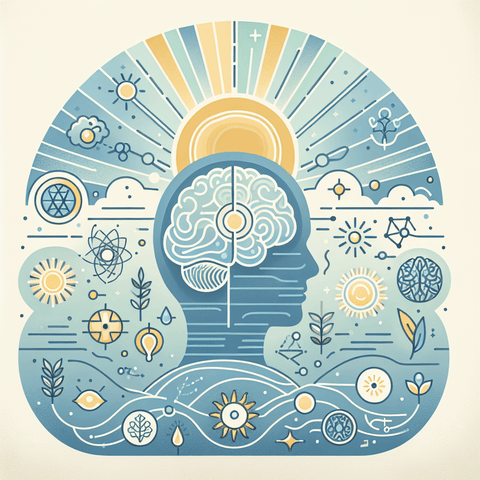
Vitamin D is widely recognised for its role in bone health and calcium regulation, but its potential relationship with mental health has become an increasingly popular area of research and public interest. This tag page serves as a broad overview of the mental health benefits of vitamin D, bringing together the main concepts, the different types of evidence, and the practical considerations that surround this topic. Rather than providing definitive answers to every specific question, this page is designed to help you understand the landscape of the topic so you can explore more detailed articles and resources with better context.
The sections below introduce what vitamin D is, why researchers are interested in its connection to mood and cognition, how the evidence is typically structured, and what broad factors may influence vitamin D status. You will also find guidance on navigating the topic safely and where to find related information on our site.
What Is Vitamin D and Why Is It Relevant to Mental Health?
Vitamin D is a fat-soluble nutrient that functions more like a hormone in the body. It can be obtained from certain foods, produced in the skin upon exposure to sunlight, and taken in supplement form. Once in the body, vitamin D is converted into active forms that help regulate calcium absorption, bone mineralisation, muscle function and immune system activity. Beyond these well-established roles, researchers have identified vitamin D receptors in various tissues, including areas of the brain that are involved in mood regulation, decision-making and cognitive processing.
This presence of vitamin D receptors in the brain has prompted scientific interest in whether vitamin D status might influence mental health outcomes. Some researchers have proposed that vitamin D could play a role in neurotransmitter regulation, inflammatory processes and neuroplasticity, although these mechanisms are still being investigated and are not fully understood. It is also important to note that vitamin D deficiency is relatively common in some populations, which has led to questions about whether correcting a deficiency might have effects on mood or cognitive function. However, the relationship is complex, and mental health is influenced by a wide range of biological, psychological and social factors.
The Research Landscape: How Scientists Study Vitamin D and Mental Health
Scientific understanding of the mental health benefits of vitamin D comes from several types of studies, each with its own strengths and limitations. Observational studies, such as cross-sectional or cohort studies, look at patterns between vitamin D levels and mental health outcomes in large groups of people. These studies have often found that individuals with lower vitamin D levels are more likely to report symptoms of depression or anxiety, but they cannot prove that low vitamin D causes these symptoms. It is possible that other factors, such as physical health, lifestyle or socioeconomic circumstances, explain part of the association.
Randomized controlled trials (RCTs) are considered a stronger way to test cause and effect. In these studies, participants are randomly assigned to receive vitamin D or a placebo, and researchers then compare mental health outcomes between the groups. Results from RCTs have been mixed. Some trials have suggested potential mood-related benefits in certain populations, while others have found no significant effect. This inconsistency is not unusual in nutrition research and highlights the need for further well-designed studies. Meta-analyses, which combine results from multiple studies, have also produced varied conclusions, often noting that more research is needed to clarify who might benefit and under what circumstances.
Vitamin D Deficiency and Mental Health: What the Evidence Suggests
Some of the most consistent findings in this area relate to the association between vitamin D deficiency and certain mental health conditions. For example, several studies have observed that people with depression, anxiety disorders or other mental health concerns are more likely to have low vitamin D levels compared to the general population. However, it is important to interpret these findings carefully. Low vitamin D levels might be a consequence of poor overall health, reduced outdoor activity or dietary patterns rather than a direct cause of mental health symptoms. Alternatively, vitamin D deficiency could be one of several contributing factors that interact with other biological and environmental influences.
Research has also explored potential links between vitamin D and conditions such as seasonal affective disorder, attention-deficit/hyperactivity disorder (ADHD) and even suicidal thoughts, but the evidence in these areas is generally less established and often based on smaller or preliminary studies. For anyone concerned about their mental health, it is essential to consult a qualified healthcare professional rather than relying on vitamin D status as an explanation or solution. Mental health conditions are complex and typically require a comprehensive approach to assessment and care.
Potential Mechanisms: How Vitamin D Might Influence Mood and Cognition
Although the exact mechanisms are not fully understood, researchers have proposed several ways in which vitamin D might influence brain function and mental health. One area of interest is neurotransmitter regulation. Vitamin D has been shown to influence the synthesis of certain neurotransmitters, such as dopamine and serotonin, which are involved in mood, motivation and emotional regulation. However, these findings are largely based on laboratory and animal studies, and their relevance to human mental health is still being explored.
Another proposed mechanism involves inflammation. Chronic low-grade inflammation has been linked to depression and other mental health conditions, and vitamin D is known to have immunomodulatory effects. Some researchers suggest that vitamin D might help regulate inflammatory processes that could affect brain function, but this remains an active area of investigation. Vitamin D may also play a role in neuroplasticity, the brain's ability to adapt and form new connections, which is important for learning, memory and emotional resilience. Again, these mechanisms are not yet fully established and should not be interpreted as proven pathways for mental health benefits.
Practical Considerations for Vitamin D and Mental Wellbeing
For anyone interested in the potential mental health benefits of vitamin D, several practical considerations are worth keeping in mind. First, vitamin D status is typically assessed through a blood test, and testing is the most reliable way to know whether your levels are low. Many factors can influence vitamin D levels, including sun exposure, skin tone, geographic location, season, age, body weight and certain medical conditions. Dietary sources of vitamin D include fatty fish, egg yolks and fortified foods, though it can be challenging to meet requirements through diet alone, especially in regions with limited sunlight.
If you are considering vitamin D supplements, it is advisable to discuss this with a healthcare professional who can help interpret your levels and recommend an appropriate approach based on your individual circumstances. Vitamin D supplements are available in various forms, such as drops, capsules and tablets, and the appropriate amount depends on factors like age, baseline levels and overall health. While vitamin D toxicity is rare, excessive intake over time can lead to elevated calcium levels and other complications, so more is not necessarily better. Our vitamin D benefits, sources and safety category provides more detailed information on these topics.
Lifestyle Factors That May Influence Mood and Vitamin D Status
Mental wellbeing is influenced by a complex interplay of factors, and vitamin D is just one piece of the puzzle. Lifestyle habits such as regular physical activity, adequate sleep, balanced nutrition and social connection are all strongly linked to better mental health. Interestingly, some of these factors also overlap with vitamin D status. For example, spending time outdoors may support both vitamin D production and mood through exposure to natural light and physical activity. Similarly, a nutritious diet that includes vitamin D-rich foods can contribute to overall health in ways that extend beyond any single nutrient.
If you are exploring ways to support your mental health, it may be helpful to consider a holistic approach that addresses multiple areas of wellbeing rather than focusing solely on vitamin D. Our magnesium benefits for energy, muscle and bone support category is one example of a nutrient that also plays a role in normal nervous system function, though it is not a treatment for mental health conditions.
Navigating the Topic: What to Keep in Mind
When reading about the mental health benefits of vitamin D, it is wise to approach headlines and social media claims with a critical eye. Nutrition science is rarely black and white, and the relationship between vitamin D and mental health is no exception. Some studies suggest potential benefits, while others show no effect or even conflicting results. This does not mean the topic is not worth exploring; rather, it means that conclusions should be drawn cautiously and with an understanding of the limitations of the evidence.
It is also important to remember that vitamin D supplements are not a substitute for professional mental health care. If you are experiencing persistent low mood, anxiety or other mental health symptoms, speaking with a doctor or mental health professional is the most appropriate first step. They can help assess your individual situation, rule out other potential causes and discuss evidence-based options. Vitamin D testing and supplementation, if appropriate, can be part of a broader health plan but should be guided by clinical advice.
Exploring Related Topics and Categories
The mental health benefits of vitamin D sit within a wider context of nutritional and lifestyle factors that may influence wellbeing. If you are interested in learning more about other nutrients that support normal physiological function, you may wish to explore our natural supplements category. This collection includes a range of products and information pages that can help you navigate the broader supplement landscape. As always, individual needs vary, and professional guidance is recommended before making significant changes to your supplement routine.
This tag page is intended to provide a broad overview and does not replace personalised medical advice. For more specific questions about how vitamin D may relate to mood, cognition or mental health conditions, we encourage you to explore the individual articles associated with this tag and to discuss any concerns with a qualified healthcare provider.