
Confuso tra methylcobalamina e cianocobalamina? Questa pagina approfondisce la scienza dietro le due forme di vitamina B12 più discusse. Entrambe sono cobalamine, condividono la stessa struttura di base, ma differiscono nelle loro ligandi e nel modo in cui il corpo le utilizza. La methylcobalamina e la cianocobalamina compaiono negli integratori e nei prodotti arricchiti, ma coinvolgono percorsi biochimici diversi durante il loro processamento. Comprendere queste distinzioni aiuta a chiarire perché una forma viene evidenziata in certi contesti e specifiche di prodotto. Da un punto di vista biochimico, la methylcobalamina è un cofattore nella reazione della metionina sintetasi, collegando la B12 al metabolismo del one-carbon. L'adenosilcobalamina funge da cofattore per la methylmalonil-CoA mutasi, un altro enzima nei processi cellulari. La cianocobalamina, con il suo ligando cianuro, è una forma stabile e sintetica che nel corpo viene convertita nelle forme attive del coenzima—methylcobalamina e adenosilcobalamina—come parte del normale processamento. In questo senso, la methylcobalamina contro la cianocobalamina riflette sia ruoli immediati di cofattore sia i passaggi di conversione a valle nel corpo. La stabilità e la maneggevolezza sono fattori pratici che distinguono le due. La cianocobalamina è nota per la sua robusta stabilità e durata più lunga, contribuendo alla sua diffusione in molte formulazioni di prodotto. La methylcobalamina può essere più sensibile alla luce e alla temperatura e potrebbe richiedere considerazioni di conservazione legate alla formulazione. Queste differenze di stabilità influenzano l'imballaggio, l'etichettatura e il modo in cui i prodotti vengono realizzati, senza alterare la chimica fondamentale della vitamina stessa. Quando si decide tra methylcobalamina e cianocobalamina, si dovrebbe considerare come ciascuna forma viene prodotta, come il corpo la elabora e come viene presentata in un dato prodotto. La disponibilità, il tipo di formulazione e il costo possono variare tra le marche, e le etichettature regolamentari possono differire a seconda della regione. Concentrandosi sulla scienza—struttura, vie di conversione e stabilità—si può navigare tra le opzioni e scegliere la forma che rispecchia le proprie preferenze e obiettivi. Clicca per saperne di più su come queste forme si collegano a diverse famiglie di prodotti e specifiche.
Methylcobalamina vs Cianocobalamina: Qual è la migliore vitamina B12 per te?

Stanchezza, nebbia mentale o problemi di memoria durante la menopausa? Potresti aver bisogno di vitamina B12. Questa guida spiega perché la B12 è importante in menopausa, confronta metilcobalamina e cianocobalamina e offre raccomandazioni chiare su dosaggio, assorbimento e i migliori integratori da considerare per il 2026.

Methylcobalamin vs Cyanocobalamin: What's the Difference?Methylcobalamin and cyanocobalamin are two common forms of vitamin B12. The key difference is their chemical structure. Methylcobalamin is the naturally occurring, active form found in the body. Cyanocobalamin is a synthetic, stable form that requires conversion into an active form before your body can use it. Both forms can effectively raise B12 levels, but they are processed differently.Absorption, Bioavailability, and How Your Body Uses Each FormFor most people, both forms are absorbed similarly. Absorption depends more on your digestive health—stomach acid, intrinsic factor, and gut health—than on the form you take. Once absorbed, methylcobalamin is ready for immediate use in methylation reactions. Cyanocobalamin must first remove its cyanide group and convert into either methylcobalamin or adenosylcobalamin. This conversion requires adequate liver function and certain nutrients like glutathione.Choosing Between Methylcobalamin or CyanocobalaminThere is no universal best form. Cyanocobalamin is often a cost-effective and stable option for a confirmed deficiency. Methylcobalamin may be more direct for those with neurological symptoms, methylation support, or genetic variations affecting conversion. Your individual health profile, diet, lab results, and goals should guide your choice. Both forms are generally safe and well-tolerated with mild, temporary side effects.
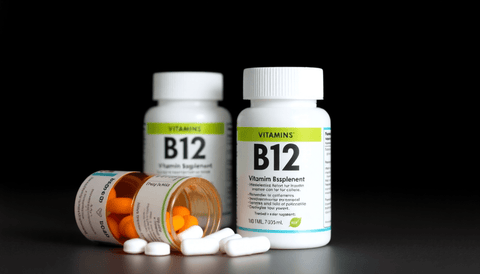
Gli integratori di vitamina B12 per l’energia possono essere utili soprattutto quando l’apporto o l’assorbimento della vitamina sono insufficienti. La B12 contribuisce alla normale formazione dei globuli rossi, al metabolismo energetico e al funzionamento del sistema nervoso, ma non è uno stimolante e non aumenta necessariamente l’energia in chi ne assume già abbastanza. Questa guida confronta metilcobalamina e cianocobalamina, illustra il dosaggio e indica come scegliere un prodotto con prudenza.