
Feeling drained? Un quadro utile è lo squilibrio dei micronutrienti—l'idea che discrepanze sottili negli micronutrienti essenziali possano influenzare come si sente energia e funzionamento di giorno in giorno. Lo squilibrio dei micronutrienti si riferisce a situazioni in cui la disponibilità, l'uso o l'equilibrio di queste piccole ma fondamentali sostanze nutritive non sono allineati con ciò di cui il corpo ha di solito bisogno. Questo equilibrio può essere nascosto, soprattutto quando le routine sono impegnative o lo stress è elevato, rendendo facile trascurare schemi sottostanti. Ecco sette aspetti nascosti dello squilibrio dei micronutrienti che potrebbero essere in azione: carenze nel trasporto, stoccaggio e distribuzione che influenzano come i nutrienti raggiungono le zone di bisogno; variazioni nell'assorbimento e nell'assimilazione che modificano quanta sostanza diventa effettivamente disponibile per l'uso; interazioni e competizione tra nutrienti che possono modificare l'influenza reciproca dei diversi micronutrienti; cambiamenti nel fabbisogno metabolico legati a eventi di vita, invecchiamento o stress che modificano le esigenze relative; esposizioni ambientali e fattori esterni che possono influenzare l'equilibrio; differenze genetiche o metaboliche che incidono sul processo di elaborazione e utilizzo dei nutrienti; e lacune nelle valutazioni standard che possono nascondere squilibri più sottili. Come individuarli significa cercare schemi che non sono spiegati completamente dai fattori ovvi. Monitora fluttuazioni di energia o prestazioni nel corso di giorni e settimane, e osserva se gli schemi coincidono con cambiamenti nella routine, nell'ambiente o nello stress. Un diario semplice che cattura il contesto—quando iniziano gli schemi, quanto durano, e come erano i dintorni—può aiutare a rivelare coerenza o variazioni che meritano un'analisi più approfondita. Considera di preparare domande e un riassunto degli schemi osservati per una conversazione con un professionista qualificato che possa aiutare a interpretare cosa queste osservazioni potrebbero indicare in relazione a uno squilibrio dei micronutrienti. Le soluzioni pratiche da esplorare oggi riguardano la raccolta di informazioni e il contesto, non prescrizioni rapide. Inizia documentando schemi ricorrenti e contesti, poi rivedi queste note per identificare domande da porre a un professionista o specialista. Cerca opportunità di allineare il ritmo quotidiano con le tue osservazioni e di ridurre cambiamenti improvvisi nella routine o nell'ambiente dove possibile. Questa pagina fornisce concetti generali su squilibrio dei micronutrienti come quadro di riferimento per alimentare il dialogo e l'esplorazione; è contenuto informativo e non consulenza medica.
Squilibrio di Micronutrienti: 7 Carenze Nascoste che Rubano la Tua Energia e Come Rimediare
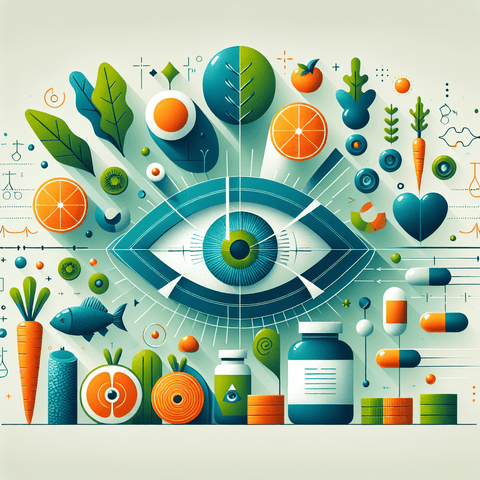
Micronutrient imbalance is a broad term that describes situations where the availability, balance, or utilization of essential vitamins and minerals in the body is not aligned with what the body typically requires. This can include insufficient intake (deficiency), excessive intake (toxicity), or disruptions in how nutrients are absorbed, transported, or used. Because micronutrients are involved in nearly every major physiological process—from energy metabolism and immune function to bone health and cognitive performance—even subtle imbalances may contribute to noticeable changes in how you feel day to day.
This page serves as a topical hub for understanding micronutrient imbalance at a broad level. It covers what the term means, which deficiencies are most common, the signs and symptoms that may be associated with them, how testing is generally approached, and practical considerations for supporting intake through diet and supplementation. It is intended as general educational information, not as personalized medical advice.
What Is Micronutrient Imbalance?
Micronutrients are vitamins and minerals that the body requires in relatively small amounts. Unlike macronutrients (carbohydrates, proteins, and fats), micronutrients do not provide energy directly, but they are essential for energy metabolism, immune function, tissue repair, bone health, neurological function, and many other processes. A micronutrient imbalance occurs when the intake, absorption, or utilization of one or more of these nutrients is not in balance with the body's needs.
Imbalance can take several forms. A deficiency occurs when intake or absorption is too low to meet requirements. An excess or toxicity can occur when intake is too high, often through excessive supplementation rather than food. Additionally, nutrient-nutrient interactions can influence how well different micronutrients are absorbed or used—for example, high doses of one mineral may interfere with the absorption of another. Metabolic demand can also shift due to life stages (pregnancy, aging), stress, illness, or certain medications, altering relative needs even if intake remains unchanged.
Because these factors interact, micronutrient imbalance is not simply a matter of eating the right foods. It is a dynamic state that can be influenced by diet, lifestyle, genetics, health status, and environmental exposures. This is why a comprehensive approach—rather than focusing on a single nutrient—is often more useful for understanding and addressing potential imbalances.
Common Micronutrient Deficiencies
Certain micronutrient deficiencies are more prevalent globally than others. The World Health Organization and other public health bodies have identified iron, vitamin A, folate, iodine, zinc, and vitamin B12 as among the most common. Each plays distinct roles in the body, and deficiency can affect various systems. What follows is a high-level overview; more detailed information on each nutrient is available in dedicated articles and category pages.
- Iron: Essential for oxygen transport in the blood. Deficiency can lead to fatigue, weakness, and anaemia. It is more common in women of reproductive age, pregnant women, and individuals with certain dietary patterns or blood loss.
- Vitamin A: Important for vision, immune function, and skin health. Deficiency is a major public health concern in parts of the developing world and can cause night blindness and increased susceptibility to infections.
- Folate (Vitamin B9): Critical for DNA synthesis and cell division, especially during pregnancy. Deficiency can lead to anaemia and is associated with neural tube defects in infants.
- Iodine: Required for thyroid hormone production. Deficiency can cause goitre, hypothyroidism, and cognitive impairment, particularly in children.
- Zinc: Involved in immune function, wound healing, and growth. Deficiency can impair immune response and is associated with diarrhoea in children.
- Vitamin B12: Needed for nerve function and red blood cell formation. Deficiency is more common in older adults, vegans, and individuals with absorption issues. It can cause fatigue, neurological symptoms, and anaemia.
These deficiencies often coexist, and their symptoms can overlap. For example, fatigue may be associated with iron, B12, or folate deficiency, among other causes. This is one reason why self-diagnosis is unreliable and professional assessment is important.
Signs and Symptoms of Micronutrient Deficiency
The signs of micronutrient deficiency can be subtle and non-specific, especially in the early stages. They may develop gradually and be mistaken for stress, aging, or other common conditions. Some general signs that may warrant further investigation include:
- Persistent fatigue or low energy not explained by sleep or activity
- Pale skin, brittle nails, or hair loss
- Frequent infections or slow wound healing
- Mouth ulcers, sore tongue, or changes in taste
- Cognitive changes such as difficulty concentrating or memory lapses
- Muscle weakness, cramps, or bone discomfort
- Vision changes, particularly difficulty seeing in low light
These symptoms are not specific to micronutrient deficiency and can have many other causes. However, if they persist or occur together, it may be reasonable to discuss them with a healthcare professional who can evaluate whether testing is appropriate.
How to Check Micronutrient Levels
There is no single test that measures overall micronutrient status. Instead, healthcare professionals may use a combination of blood tests, dietary assessment, and clinical evaluation to assess specific nutrients. Commonly measured biomarkers include serum ferritin and haemoglobin for iron status, serum vitamin B12 and folate, 25-hydroxyvitamin D for vitamin D, and thyroid-stimulating hormone (TSH) for iodine-related thyroid function. Other tests may be ordered based on symptoms, risk factors, and medical history.
It is important to interpret test results in context. For some nutrients, blood levels do not perfectly reflect tissue stores or functional status. Reference ranges can vary between laboratories, and individual factors such as inflammation, medications, and timing of sample collection can influence results. Therefore, testing should be guided by a qualified healthcare professional rather than undertaken independently based on online information.
If you are concerned about your micronutrient status, a reasonable first step is to speak with your doctor or a registered dietitian. They can help determine whether testing is warranted and how to interpret the results. You can also explore our mineral supplements guide for more information on specific minerals.
How to Improve Micronutrient Intake
Supporting micronutrient balance generally begins with dietary diversification. Eating a wide variety of foods—including fruits, vegetables, whole grains, legumes, nuts, seeds, lean proteins, and dairy or fortified alternatives—helps provide a broad spectrum of vitamins and minerals. Food fortification (such as iodised salt, folic acid-fortified grains, and vitamin D-fortified milk) has been a successful public health strategy in many countries to address common deficiencies.
In some cases, supplementation may be appropriate. This is more likely for individuals with increased needs (e.g., pregnancy), restricted diets (e.g., vegan), malabsorption conditions, or those taking medications that affect nutrient status. However, supplementing without a clear indication can lead to unnecessary intake or even imbalance, as some nutrients can interact or accumulate. If you are considering supplements, it is advisable to consult a healthcare professional to determine which nutrients, if any, are appropriate for you.
For those who choose to use supplements, quality matters. Look for products from reputable manufacturers that follow good manufacturing practices and provide clear labelling. Our multivitamins guide offers a broad introduction to multivitamin ingredients, usage, and safety considerations.
Factors That Can Predispose to Micronutrient Imbalance
Beyond diet, several factors can increase the risk of micronutrient imbalance. These include:
- Life stages: Pregnancy, breastfeeding, infancy, childhood, and older age can alter nutrient requirements.
- Medications: Certain drugs can affect nutrient absorption or metabolism. For example, metformin may affect vitamin B12 status, diuretics can influence B1 and other water-soluble vitamins, and proton pump inhibitors may reduce B12 and mineral absorption.
- Health conditions: Gastrointestinal disorders (e.g., coeliac disease, inflammatory bowel disease), kidney disease, and bariatric surgery can impair absorption.
- Dietary patterns: Restricted diets, food insecurity, and poor diet quality can lead to inadequate intake.
- Lifestyle factors: Chronic stress, excessive alcohol intake, and smoking may influence nutrient status.
Being aware of these factors can help you have a more informed conversation with a healthcare professional about your individual risk profile.
Key Micronutrients at a Glance
The table below summarises some of the most commonly discussed micronutrients, their general functions, potential signs of deficiency, and common food sources. This is a simplified overview and not a diagnostic tool.
- Iron: Function: oxygen transport; Deficiency signs: fatigue, pale skin, shortness of breath; Sources: red meat, lentils, spinach, fortified cereals.
- Vitamin A: Function: vision, immune function; Deficiency signs: night blindness, dry eyes, frequent infections; Sources: liver, carrots, sweet potatoes, spinach.
- Folate: Function: cell division, DNA synthesis; Deficiency signs: anaemia, mouth ulcers, fatigue; Sources: leafy greens, legumes, fortified grains.
- Iodine: Function: thyroid hormone production; Deficiency signs: goitre, fatigue, weight changes; Sources: iodised salt, seafood, dairy.
- Zinc: Function: immune function, wound healing; Deficiency signs: slow wound healing, frequent infections, loss of taste; Sources: oysters, beef, pumpkin seeds, chickpeas.
- Vitamin B12: Function: nerve function, red blood cell formation; Deficiency signs: fatigue, tingling in hands and feet, memory issues; Sources: animal products, fortified cereals, supplements.
Exploring Micronutrient Supplements
If you are considering supplements to support your micronutrient intake, it can be helpful to understand the different categories available. Vitamin supplements include individual vitamins such as vitamin C, D, and B-complex, as well as multivitamins that combine several vitamins and minerals. Mineral supplements may provide single minerals like magnesium or calcium, or trace minerals like selenium and zinc. Some products combine vitamins, minerals, and other ingredients for specific needs, such as energy support or immune health.
When exploring options, consider factors such as ingredient forms, dosages, and third-party testing. Our natural supplements collection provides a range of products that may support general nutritional needs. As always, it is best to consult a healthcare professional before starting any new supplement, especially if you take medications or have underlying health conditions.
When to Seek Professional Advice
If you experience persistent symptoms that concern you, or if you have risk factors for micronutrient deficiency, it is important to seek advice from a qualified healthcare professional. They can assess your individual situation, order appropriate tests if needed, and help you interpret the results. Self-prescribing supplements based on online information can be ineffective or even harmful, as some nutrients can interact with medications or accumulate to toxic levels. This page is intended for general education and should not replace personalized medical advice.