Risorse alimentari ricche di minerali: Potenzia la tua salute con nutrienti essenziali oggi
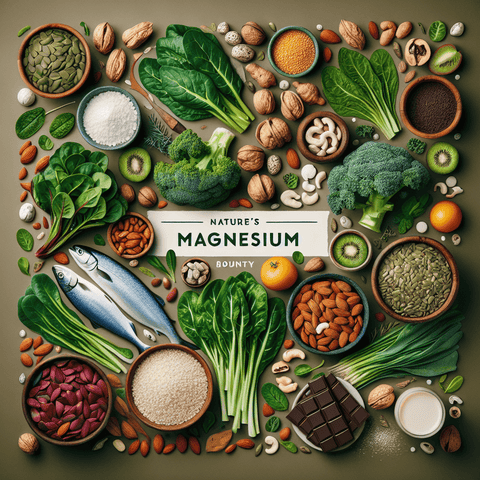

Find out which mineral-rich foods populate a well-rounded kitchen. This page centers on mineral-rich foods and offers practical tips, nutrient-packed picks, and quick meal ideas to guide your planning and shopping, with a clear focus on identifying items in this category. Practical tips for spotting mineral-rich foods include checking nutrition labels for minerals such as calcium, iron, magnesium, potassium, zinc, and selenium; opting for less-processed options when possible; and mixing plant-based and animal-based sources to broaden the mineral profile. Store and prep methods that preserve quality, and thoughtful pairings to diversify your selections, can also help you navigate the pantry with confidence. By keeping an eye on variety and balance, you can assemble a range of mineral-rich foods across meals and snacks. Nutrient-packed picks commonly found within mineral-rich foods span several groups. Leafy greens and cruciferous vegetables, legumes like lentils and beans, whole grains such as oats and quinoa, seeds and nuts, dairy products or fortified alternatives, seafood, and lean meats all appear in this category. Examples include spinach, lentils, oats, sesame seeds, yogurt, salmon, and quinoa, among others. This overview aims to highlight the breadth of options that fall under mineral-rich foods. Quick meal ideas put these picks to work in everyday cooking. Start with a base of quinoa or brown rice, add beans or lentils, toss in greens, and finish with a sprinkle of seeds for texture. Or blend a smoothie with leafy greens and fortified plant milk, then add a handful of nuts. A stir-fry featuring vegetables, tofu or a lean protein, and a topping of chopped seeds offers another straightforward option. For a simple, field-to-table-style meal, combine whole-grain cereal with milk or a plant-based alternative and chopped nuts. These ideas showcase mineral-rich foods in practical, easy-to-assemble formats.


Which foods are high in magnesium? - Topvitamine
Oct 14, 2025
Gli alimenti ricchi di magnesio includono semi di zucca, frutta secca, legumi, cereali integrali e verdure a foglia verde. Questa guida spiega come inserirli nei pasti, quali sono le porzioni indicative e cosa sapere prima di usare un integratore. Troverai inoltre risposte prudenti alle domande su magnesio, reflusso, insufficienza renale, tiroide e tachicardia.
What is the food highest in magnesium? - Topvitamine
Oct 12, 2025
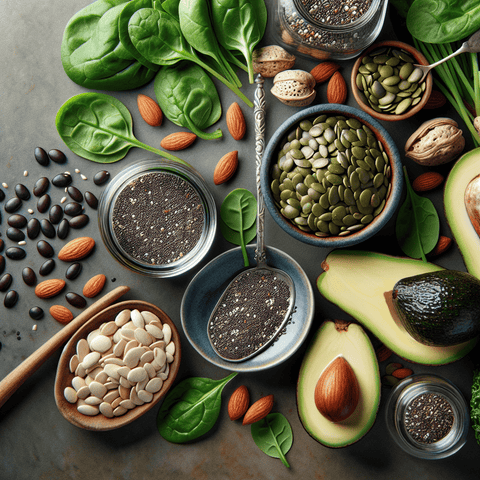
I semi di zucca sono tra gli alimenti più ricchi di magnesio: una porzione da 28 g ne fornisce circa 150 mg. Anche chia, mandorle, legumi, cereali integrali, verdure a foglia e cioccolato fondente contribuiscono all’apporto quotidiano. In questa guida trovi valori indicativi per porzione, idee pratiche, informazioni su banana e acqua ricca di magnesio e indicazioni prudenti sull’uso degli integratori.
What are the 7 minerals your body needs daily? - Topvitamine
Oct 06, 2025
Calcio, magnesio, potassio, zinco, ferro, selenio e iodio svolgono funzioni importanti per ossa, muscoli, nervi, sangue e tiroide. In questo articolo trovi il loro apporto minerale giornaliero indicativo, le principali fonti alimentari e i segnali che meritano un controllo medico. Imparerai anche come favorire un equilibrio dei minerali e scegliere eventuali integratori con maggiore consapevolezza, senza sostituire una dieta varia o il parere di un professionista.

Minerals are fundamental nutrients that support countless functions in the body, from building strong bones and teeth to regulating muscle contractions and maintaining a healthy nervous system. Unlike some vitamins, the body cannot produce most essential minerals on its own, so they must be obtained through the diet. This guide provides a broad overview of mineral-rich foods, explaining what they are, why they matter, and how to easily incorporate more of them into your daily eating pattern.

What Are Mineral-Rich Foods?

A food is considered mineral-rich when it provides a significant amount of one or more essential minerals relative to its calorie content. These minerals are inorganic elements that the body requires for proper growth, development, and maintenance. They are typically divided into two categories: macrominerals, which are needed in larger amounts, and trace minerals, which are needed in smaller amounts but are still vital for health.

Key Macrominerals and Trace Minerals

The most common macrominerals include calcium, phosphorus, magnesium, sodium, potassium, and chloride. Trace minerals, on the other hand, include iron, zinc, selenium, iodine, copper, and manganese. Each mineral has a unique role. For example, calcium is crucial for bone health, iron is a key component of red blood cells, and potassium helps regulate fluid balance and nerve signals.

The best approach to ensuring adequate intake is to consume a varied diet that includes a wide range of whole foods. This naturally provides a broad spectrum of these essential elements, which is generally more effective than relying on a single food source.

Top Categories of Mineral-Rich Foods

Mineral-rich foods are found across all major food groups. Knowing which categories are most beneficial can help you make informed choices at the grocery store and when planning your meals. Here are some of the most significant categories to include in your diet:

  • Leafy Green and Cruciferous Vegetables: Spinach, kale, Swiss chard, and broccoli are excellent sources of calcium, magnesium, iron, and potassium.
  • Legumes: Lentils, chickpeas, black beans, and kidney beans are packed with iron, magnesium, potassium, and zinc.
  • Whole Grains: Quinoa, oats, brown rice, and whole-wheat products provide magnesium, selenium, and iron.
  • Nuts and Seeds: Almonds, cashews, pumpkin seeds, and sesame seeds are rich in magnesium, zinc, and calcium.
  • Dairy and Fortified Alternatives: Milk, yogurt, and fortified plant-based milks are primary sources of calcium and often fortified with vitamin D to aid absorption.
  • Seafood and Lean Meats: Salmon, sardines, and shellfish are excellent sources of iodine, selenium, and zinc. Lean meats like chicken and turkey provide iron and zinc.

For a deeper look at how specific minerals support health, you can explore our mineral supplements guide for more information.

Practical Tips for a Mineral-Rich Diet

Incorporating more mineral-rich foods into your routine doesn't require a complete overhaul of your diet. Simple, consistent changes can make a significant difference. Here are a few practical strategies to get you started:

  • Read Nutrition Labels: Pay attention to the % Daily Value (%DV) for minerals like calcium, iron, and magnesium. Foods with 20% DV or more are considered high sources.
  • Choose Less-Processed Options: Whole foods generally retain more of their natural mineral content than highly processed alternatives. Opt for whole grains over refined ones and fresh or frozen produce over heavily processed meals.
  • Mix Plant and Animal Sources: Combining different food groups, such as beans with rice or spinach with a source of vitamin C, can enhance mineral absorption and provide a broader nutrient profile.
  • Use Smart Pairings: Pairing iron-rich plant foods with vitamin C (like adding lemon juice to a lentil salad) can help your body absorb the iron more effectively.

Quick Meal Ideas to Boost Mineral Intake

Putting these tips into practice can be easy and delicious. Here are a few simple meal ideas that are naturally rich in minerals:

  • Start your day with a smoothie made with spinach, fortified plant milk, a banana, and a handful of almonds.
  • Build a hearty grain bowl with a base of quinoa or brown rice, topped with black beans, sautéed greens, and a sprinkle of pumpkin seeds.
  • Prepare a quick stir-fry with broccoli, bell peppers, tofu or chicken, and a topping of sesame seeds.
  • Enjoy a simple breakfast of whole-grain cereal with milk or a fortified plant-based alternative and chopped nuts.

Understanding Mineral Deficiency

While a varied diet usually provides sufficient minerals, some people may be at risk of deficiency. Signs of low mineral levels can vary depending on which mineral is lacking. For example, low iron may lead to fatigue, while low calcium might affect bone health over time. It's important to remember that these signs can also be caused by other factors, and a healthcare professional is the best person to diagnose a deficiency.

If you are concerned about your mineral intake, focusing on a balanced diet is the first step. For specific questions about supplementation, it's always wise to consult with a doctor or registered dietitian. They can provide personalized advice based on your individual needs.

Frequently Asked Questions About Mineral-Rich Foods

What food has all 102 minerals?

No single food contains all 102 minerals that exist in nature. The human body requires a specific set of essential minerals, and these are found in varying combinations across different foods. A varied diet is the most reliable way to get all the minerals your body needs.

Which food has the highest minerals?

There is no single 'highest' mineral food, as different foods excel in different minerals. For example, spinach is high in iron and calcium, while brazil nuts are exceptionally high in selenium. The best approach is to eat a variety of nutrient-dense foods to cover your bases.

What are the 7 minerals your body needs?

The body needs a wide range of minerals, but seven are often highlighted for their importance: calcium, iron, magnesium, potassium, zinc, selenium, and iodine. Each plays a unique and vital role in maintaining health.

Explore More on Mineral Health

This guide provides a broad overview of mineral-rich foods. For more specific information on individual minerals, their benefits, and how they work in the body, you may find our magnesium guide and calcium guide helpful. These resources offer deeper insights into specific nutrients.

For a broader perspective on how supplements can fit into a healthy lifestyle, you can also explore our natural supplements collection.