
it i minerali per capelli sani formano un filo che collega insieme la biologia dei follicoli piliferi e la fisiologia generale. Quando parliamo di minerali in questo contesto, ci concentriamo su nutrienti essenziali che partecipano ai processi cellulari fondamentali, all’assemblaggio strutturale e alla segnalazione all’interno delle cellule dei follicoli. Questa pagina evidenzia sette minerali essenziali, delineandone i ruoli generali e i modi in cui i ricercatori descrivono il loro coinvolgimento nella biologia dei follicoli piliferi. Sette minerali essenziali comunemente riconosciuti nella scienza dell’alimentazione sono ferro, zinco, rame, magnesio, calcio, manganese e selenio. Ognuno di questi minerali ha una funzione distinta: il ferro aiuta a trasportare l’ossigeno alle cellule; lo zinco supporta l’attività enzimatica e la sintesi proteica; il rame partecipa alle reazioni di ossido-riduzione e alla formazione del tessuto connettivo; il magnesio funge da cofattore in centinaia di reazioni enzimatiche; il calcio partecipa alla segnalazione cellulare; il manganese supporta il metabolismo e la funzione enzimatica; il selenio fa parte degli enzimi antiossidanti. Nel contesto dei follicoli piliferi, queste attività contribuiscono all’ambiente cellulare in cui operano le cellule del follicolo. I minerali per capelli sani influenzano il microambiente del follicolo supportando la produzione di energia, la sintesi di DNA e proteine, e i meccanismi di protezione contro lo stress cellulare. Ad esempio, molte cellule del follicolo dipendono da segnali precisi e processi di formazione strutturale, e i minerali sopra elencati sono coinvolti in quelle attività principali. Il risultato è un sistema in cui i minerali aiutano a sostenere la funzione normale del follicolo attraverso una serie di passaggi biochimici, tra cui la costruzione proteica e la regolazione metabolica. Per comprendere come i minerali per capelli sani si inseriscono in un quadro più ampio, è utile considerare equilibrio e contesto. Durante le diverse fasi della vita, un modello vario di assunzione supporta i processi fisiologici standard del corpo, di cui la biologia del follicolo fa parte. Se stai esplorando i minerali per capelli sani, comprendere i ruoli distinti di questi sette elementi essenziali può aiutarti a riflettere su come le diverse funzioni corporee sono interconnesse.
Minerali per capelli sani: 7 nutrienti essenziali per chiome forti e lucenti
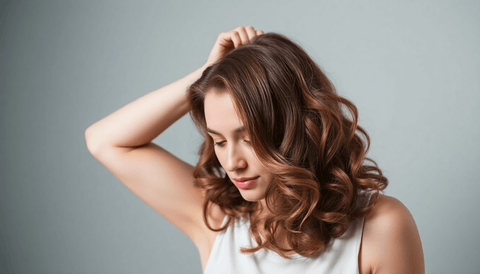
Minerals are fundamental to human health, and their influence extends to the hair follicles, where they support the cellular processes that contribute to normal hair growth. This guide provides a broad overview of the key minerals associated with healthy hair, their roles in the body, and how to incorporate them into a balanced lifestyle. We will explore the main nutrients, their food sources, and important considerations for supplementation.
The Role of Minerals in Hair Health
Hair follicles are dynamic structures that require a consistent supply of nutrients to function normally. Minerals are involved in a range of activities, from oxygen transport to protein synthesis and antioxidant defense. These processes are not unique to hair but are essential for maintaining the cellular environment in which follicles operate. A deficiency in any of these nutrients could potentially disrupt these processes, which is why a balanced intake is important for overall health, including hair.
Key Minerals for Healthy Hair
Several minerals are particularly relevant to hair health due to their involvement in cellular function. The following sections introduce the most commonly discussed minerals and their general roles.
Iron
Iron is a component of hemoglobin, the protein in red blood cells that transports oxygen throughout the body. This oxygen is vital for the energy production that cells, including those in hair follicles, need to function. Iron is also involved in various enzymatic processes. Good dietary sources include red meat, poultry, fish, lentils, beans, and fortified cereals.
Zinc
Zinc is a cofactor for numerous enzymes and plays a role in protein synthesis and cell division. These functions are fundamental to the growth and repair of tissues, including hair. Zinc is found in oysters, beef, pumpkin seeds, and lentils. It is also a common ingredient in many multivitamin and mineral supplements.
Selenium
Selenium is an essential component of antioxidant enzymes, such as glutathione peroxidase, which help protect cells from oxidative stress. This protective role is important for maintaining the health of various tissues. Selenium is present in Brazil nuts, seafood, and eggs.
Other Important Minerals
Beyond iron, zinc, and selenium, other minerals also contribute to the body's overall function and, by extension, to the health of hair follicles. These include:
- Copper: Participates in oxidation-reduction reactions and is involved in the formation of connective tissue.
- Magnesium: Serves as a cofactor in hundreds of enzymatic reactions, including those related to energy production.
- Calcium: Involved in cellular signaling pathways that are essential for various cell functions.
- Manganese: Supports metabolism and is a component of several enzymes.
Each of these minerals contributes to the complex biochemical environment in which hair follicles operate. A varied diet is generally the best way to obtain a balanced mix of these nutrients.
Dietary Sources and Daily Intake
The most reliable way to support your body's mineral needs is through a balanced diet. The following list provides examples of foods rich in these essential minerals.
- Iron: Red meat, poultry, fish, lentils, beans, spinach, and fortified cereals.
- Zinc: Oysters, beef, crab, pumpkin seeds, and cashews.
- Selenium: Brazil nuts, tuna, sardines, and eggs.
- Copper: Shellfish, nuts, seeds, and organ meats.
- Magnesium: Almonds, spinach, cashews, and black beans.
- Calcium: Dairy products, leafy green vegetables, and fortified plant milks.
- Manganese: Whole grains, nuts, and leafy vegetables.
While there are recommended daily intakes for each mineral, these vary by age, sex, and life stage. It is generally best to aim for a varied diet to meet these needs rather than relying on supplements alone. For those interested in a broader overview of mineral supplements, you can explore our mineral supplements guide for more information.
Signs of Mineral Deficiency and Hair Health
A deficiency in certain minerals can sometimes manifest in changes to hair condition. For example, low iron levels are a common concern that has been studied in relation to hair thinning. Similarly, zinc deficiency can affect protein synthesis, which is fundamental to hair structure. However, it is important to note that hair changes can result from a wide range of factors, including genetics, hormones, stress, and other nutritional imbalances.
If you are concerned about hair loss or changes in hair health, it is essential to consult a healthcare professional. They can help identify the underlying cause, which may or may not be related to mineral intake. Self-diagnosing and self-treating with high-dose supplements is not recommended.
Supplements and Mineral Balance
While a balanced diet is the primary route to adequate mineral intake, supplements can play a role for individuals with confirmed deficiencies or increased needs. When considering a supplement, it's important to understand that more is not always better. Excessive intake of some minerals can be harmful and may interfere with the absorption of others.
For those looking to support their overall health with a broad range of nutrients, a multivitamin guide can be a helpful starting point. Additionally, for specific needs, targeted products like trace mineral supplements are available. Always choose high-quality products and discuss any new supplement regimen with a healthcare provider, especially if you have underlying health conditions or are taking medication.
Frequently Asked Questions
What's the best mineral for hair growth?
There is no single 'best' mineral. Hair health depends on a complex interplay of nutrients. Iron and zinc are often highlighted for their roles in oxygen transport and protein synthesis, respectively, but a balanced intake of all essential minerals is the most sensible approach.
What mineral am I lacking if my hair is falling out?
Hair loss can be caused by many factors. While deficiencies in iron or zinc are sometimes associated with hair changes, it is not possible to diagnose a deficiency based on symptoms alone. A blood test from a healthcare professional is the only reliable way to determine if you are lacking a specific mineral.
What foods help stop hair fall?
A diet rich in a variety of whole foods is the best strategy. This includes lean proteins, iron-rich foods like lentils and spinach, zinc-rich foods like pumpkin seeds, and foods containing healthy fats. No single food can stop hair fall, but a balanced diet supports overall health, which includes your hair.
Exploring the Topic Further
This guide provides a broad overview of minerals and their connection to hair health. For more specific information, you may wish to explore related topics such as the role of vitamins, the impact of specific deficiencies, or detailed comparisons of different supplement forms. The articles associated with this tag offer deeper dives into these areas.