Potenziatori naturali del sistema immunitario: 9 modi sicuri per rafforzare l'immunità


Natural immune boosters are safe, everyday practices that support the body's natural defenses. This page introduces nine practical approaches you can begin today, with an emphasis on consistency, balance, and simple shifts that fit into real life. The idea is to build a resilient routine rather than chase quick results. Think in terms of daily patterns rather than single actions. Consider establishing a steady sleep routine, incorporating regular movement, and weaving calm, mindful practices into your day. Add time in daylight or nature, nurture social connections, maintain dependable daily rhythms, and tend to self-care with kindness. Each approach is adaptable to different schedules and preferences, so you can tailor them to what feels sustainable. Start small: pick one or two habits that align with your current routine, and gradually add more. A gradual pace helps with consistency and makes it easier to observe what works for you over time. It’s also important to acknowledge that individual circumstances matter, and there is no one-size-fits-all path. For people with specific health considerations, or those who are pregnant, elderly, or managing chronic conditions, consulting a healthcare professional can help tailor ideas to personal needs. By focusing on natural immune boosters as a framework for daily living, you can cultivate a longer-term, balanced approach to wellbeing.


What can I take to build my resistance? - Topvitamine
Jun 30, 2026
Effective immune support focuses on balance, adaptability, and sustainable daily habits rather than overstimulation. This guide explains how natural immune boosters—including nutrient-dense foods, dietary fiber, quality protein, sleep, exercise, stress management, and hydration—help strengthen immune resilience. It also explores immune health enhancers such as vitamin C, vitamin D, zinc, magnesium, omega-3 fatty acids, probiotics, beta-glucans, and selected botanicals. Learn how immune resilience supplements and immune system vitalizers may address documented nutrient deficiencies, support the gut-immune axis, and regulate inflammation. Practical immunity strengthening tips emphasize personalized nutrition, targeted testing, moderate doses, medication safety, and regular progress monitoring.
Is vitamin C or elderberry better for the immune system? - Topvitamine
Feb 11, 2026
Vitamina C o sambuco non sono alternative equivalenti: la vitamina C è un nutriente essenziale coinvolto nella normale funzione immunitaria, mentre il sambuco è un estratto vegetale ricco di antociani studiato soprattutto per i sintomi del raffreddore e di disturbi simil-influenzali. Scopri differenze, alimenti, criteri di scelta, limiti delle prove, FAQ sugli antiossidanti e precauzioni d’uso.
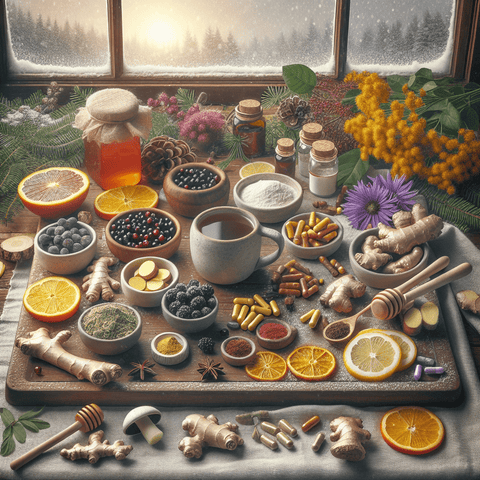
Best Supplements to Support Cold and Flu Recovery Naturally - Topvitamine
Aug 28, 2025
Non esiste un unico integratore migliore per raffreddore e influenza. Vitamina C, zinco, vitamina D e alcuni estratti vegetali possono offrire un supporto nutrizionale in circostanze specifiche, ma non sostituiscono riposo, idratazione, vaccinazione o cure mediche. Questa guida confronta le opzioni più comuni, spiega cosa considerare nella scelta di un prodotto e chiarisce dosaggio, sicurezza e limiti delle prove disponibili.

How Do I Choose a Supplement for Improving Immune Health? - Topvitamine
Aug 24, 2025
Scegliere un integratore per le difese immunitarie richiede di valutare prima alimentazione, fabbisogni personali, ingredienti, quantità e qualità del prodotto. Vitamina C, vitamina D, zinco e selenio contribuiscono al normale funzionamento del sistema immunitario, ma non esiste un integratore universale né una soluzione rapida. Questa guida spiega cosa controllare in etichetta, quando chiedere consiglio a un professionista e quali abitudini restano fondamentali.
Boost Your Immunity Naturally with the Best Vitamins for Cold & Flu Season - Topvitamine
Jul 13, 2025
Gli integratori per raffreddore e influenza possono contribuire all’apporto di nutrienti importanti, ma non prevengono né curano automaticamente le infezioni. Questa guida chiarisce il ruolo di vitamina C, vitamina D, vitamina B6 e zinco, distingue alimenti e integratori, spiega cosa valutare prima dell’acquisto e indica le principali precauzioni. Sono importanti anche sonno, alimentazione equilibrata, igiene e confronto con un professionista sanitario quando necessario.
Top 10 Vitamins to Boost Your Immune System Naturally | Topvitamine - Topvitamine
Jul 06, 2025
Le vitamine per il sistema immunitario contribuiscono al normale funzionamento delle difese, soprattutto quando l’alimentazione non copre il fabbisogno. Questa guida esamina vitamina C, vitamina D, zinco, selenio, vitamine B6 ed E, probiotici e alcuni ingredienti vegetali. Troverai fonti alimentari, criteri per scegliere un integratore e risposte su raffreddori, difese deboli, dosi e sicurezza.

The concept of "natural immune boosters" encompasses a wide range of foods, nutrients, and lifestyle habits that can help support your body's natural defenses. Instead of promising a magic cure, this guide explores the practical, everyday ways you can build a stronger foundation for your health. The immune system is complex, and its function is influenced by many factors, including diet, sleep, stress, and physical activity. This page provides a broad overview of these key areas, helping you understand how they work together and what steps you can take to support your overall well-being.

Understanding Natural Immune Support

Your immune system is a sophisticated network of cells, tissues, and organs that work together to protect your body from harmful pathogens. Its effectiveness is not determined by a single factor, but by a combination of your overall health, nutrition, and lifestyle. The idea of "boosting" immunity is often misunderstood; rather than making it hyperactive, the goal is to support its normal, balanced function. A well-nourished and rested body is better equipped to handle everyday challenges.

Several interconnected factors play a role in maintaining a healthy immune response. A diet lacking in essential vitamins and minerals can compromise immune function, making you more susceptible to common illnesses. Similarly, chronic stress and poor sleep can alter the body's inflammatory response and reduce its ability to fight off infections. on the other hand, a balanced lifestyle that includes nutritious food, adequate rest, and regular movement provides the resources your immune system needs to operate effectively.

Key Nutrients for Immune Health

Certain vitamins, minerals, and other compounds have been identified as particularly important for the immune system. While no single nutrient is a cure-all, ensuring you get enough of these key players can make a significant difference in how well your body defends itself.

Vitamins and Minerals

  • Vitamin C: A well-known antioxidant that supports various cellular functions of the immune system. It is found in citrus fruits, berries, and vegetables.
  • Vitamin D: Plays a crucial role in immune response and is obtained primarily through sun exposure and foods like fatty fish and fortified dairy products.
  • Zinc: A mineral that helps immune cells develop and communicate. It's present in meat, shellfish, and legumes.

These are just a few examples from a wide range of essential nutrients. To explore more, you can review a natural supplements collection which often contains many of these vitamins and minerals in convenient forms.

Antioxidant-Rich Foods

Antioxidants are compounds that help protect your cells from damage caused by free radicals. This protection is a key part of maintaining overall health and supporting the immune system. Foods rich in antioxidants include a colorful variety of fruits, vegetables, and other plant-based foods. Berries, leafy greens, nuts, and seeds are all excellent examples.

The Role of Lifestyle Habits

Nutrition is only one piece of the puzzle when it comes to immune health. Your daily habits have a profound impact on how well your body can defend itself. Consider these lifestyle factors as part of your overall strategy for [natural immune boosters].

Sleep, Stress, and Exercise

  • Sleep: During sleep, your body performs vital repair processes, including those that support immune function. Aim for 7-9 hours of quality sleep per night.
  • Stress: Chronic stress can suppress immune response. Finding healthy ways to manage stress, such as meditation, deep breathing, or spending time in nature, is crucial.
  • Exercise: Moderate, regular exercise has been shown to have a positive effect on immune function. It helps improve circulation and can reduce inflammation.

Supplements and Additional Considerations

While a healthy diet is the best way to obtain essential nutrients, many people turn to supplements to help fill in gaps. It's important to approach supplementation with knowledge and care. They are meant to supplement, not replace, a healthy lifestyle. When considering a supplement, it's wise to research the specific nutrient and its role. For example, you might look into specific [vitamin C supplements](https://www.topvitamine.com/collections/vitamin-c-benefits-immunity-antioxidant-energy) or a general multivitamin for broad support.

It's also helpful to explore other supplement categories that can indirectly support overall well-being, such as multivitamins or herbal supplements. Always check labels for quality and dosage, and be mindful of any potential interactions with medications you may be taking.

This guide provides a broad overview of natural immune support. To dive deeper, you can explore specific questions like which foods are best for your immune system, what drinks might be beneficial, or the top signs that your immune system could use some extra support. These topics are covered in more detail in our dedicated articles, which you can find linked below. This tag page serves as a starting point to understand the fundamental principles of nutrition and lifestyle that underpin a healthy immune system.

Key Takeaways for Supporting Your Immunity

  • There is no single miracle food or supplement. Lasting immune support comes from a consistent, balanced lifestyle.
  • Focus on getting a variety of nutrients from whole foods, including fruits, vegetables, lean proteins, and healthy fats.
  • Prioritize sleep and stress management just as much as your diet and exercise routine.
  • View supplements as a way to address specific gaps in your diet, not as a replacement for good habits.

By understanding these core principles, you can begin to make more informed decisions about your health and build a routine that genuinely supports your body's natural defenses. Remember that everyone is different, and a healthcare professional can provide personalized guidance based on your individual needs.