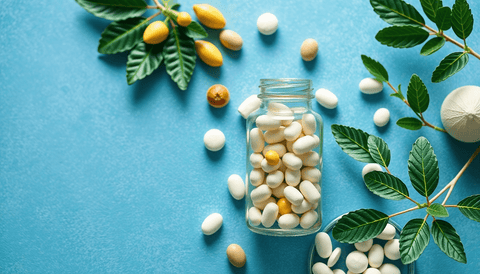
Natural inflammation relief is a topic that resonates with many people seeking safe and effective ways to support their body's well-being. It's not about chasing a quick fix, but rather understanding how our daily choices—what we eat, how we move, and how we manage stress—can influence the body's inflammatory response. This page serves as a comprehensive guide, explaining the core concepts and exploring the major dimensions of natural inflammation management, from dietary foundations to lifestyle habits and targeted supplements.
What Is Inflammation and Why Does It Matter?
Inflammation is a fundamental biological process. It's the body's immune system's response to irritants, pathogens, or tissue damage. When you cut your finger, the redness and swelling you see is acute inflammation—a localized, short-term response that is essential for healing. This type of inflammation is healthy and necessary.
However, when inflammation persists at a low level throughout the body, it becomes chronic inflammation. This state is different and can be less visible. Chronic inflammation is not a disease itself but is a contributing factor to many long-term health conditions. Natural inflammation relief is primarily concerned with managing this chronic, low-grade state through lifestyle and dietary choices that support the body's ability to regulate its inflammatory pathways. Understanding this difference between acute and chronic inflammation is the first step in appreciating why a holistic approach is so valuable.
The Core Pillar of Relief: An Anti-Inflammatory Diet
Diet is arguably the most powerful tool in your natural inflammation relief toolkit. An anti-inflammatory diet isn't a strict, temporary diet plan; it's a way of eating that emphasizes foods known to help the body manage inflammation, while minimizing those that can promote it.
The focus is on whole, unprocessed foods that are rich in beneficial compounds. Key components of such a diet include:
- A variety of colorful fruits and vegetables, which are packed with antioxidants. You can explore more about how these compounds work in our guide on antioxidants and free radicals.
- Healthy fats, particularly from sources like olive oil, avocados, and nuts.
- Fatty fish such as salmon, mackerel, and sardines, which are rich in omega-3s.
- Whole grains, fiber, and legumes, which support a healthy gut microbiome.
- Spices like turmeric and ginger, which have been studied for their anti-inflammatory properties.
Conversely, a diet high in processed foods, refined sugars, and unhealthy trans fats can promote inflammation. Common foods to limit include sugary drinks, refined carbohydrates, fried foods, and highly processed snacks. By shifting towards an anti-inflammatory diet, you are providing your body with the building blocks it needs to regulate its inflammatory responses effectively.
Lifestyle Habits That Support a Healthy Inflammatory Response
The Role of Consistent Movement
Beyond diet, your daily habits play a significant role in managing inflammation. Regular physical activity is a powerful anti-inflammatory strategy. It helps regulate metabolism, reduces stress hormones, and supports healthy circulation. The goal is not intense, excessive exercise but rather consistent, moderate activity. Whether it's a daily brisk walk, cycling, swimming, or a yoga session, incorporating movement into your routine is a key component of natural relief.
Stress Management and Quality Sleep
Chronic stress and poor sleep are significant contributors to inflammation. The body's stress response, when constantly activated, can keep inflammatory levels elevated. Developing a stress management practice—such as meditation, deep breathing, or spending time in nature—is therefore an important active step. Similarly, prioritizing good sleep hygiene, aiming for 7-9 hours of restful sleep per night, allows the body to repair and regulate its systems, which is vital for controlling inflammation.
Exploring Supplements for Additional Support
In addition to a healthy diet, some people choose to explore specific dietary supplements to support their goals for natural inflammation relief. These supplements are not a magic bullet, but they can offer additional support when combined with a healthy lifestyle. Common examples you may see discussed include:
- Omega-3 fatty acids (EPA and DHA) from fish oil. For more detailed information, you can read about DHA and EPA omega-3 supplements.
- Curcumin, the active compound in turmeric. You can learn more about curcumin and its uses.
- Magnesium, which plays a role in muscle and nerve function.
- Vitamin D, which is involved in immune system regulation.
When considering supplements, it's crucial to think of them as a complement—not a replacement—for the foundational pillars of diet and lifestyle. It’s also important to understand that the form and quality of the supplement matter. For a broader overview of how to approach supplementation, you might find our general guide on natural supplements to be a helpful starting point.
How to Get Started: Building Your Personal Plan
Adopting a new approach can feel overwhelming. The best strategy is to start small and build sustainable habits over time. Instead of overhauling your entire life overnight, consider making one or two gradual changes, such as adding a serving of vegetables to your lunch or taking a short walk each evening.
A simple way to begin is to follow a logical sequence of steps:
- Assess your current diet and identify one area for improvement, such as reducing sugary drinks.
- Incorporate an anti-inflammatory food into each meal, like berries, leafy greens, or a portion of fish.
- Add 10-15 minutes of daily movement, gradually increasing as you feel comfortable.
- Implement a simple wind-down routine before bed to improve your sleep quality.
This page is a starting point on your journey toward understanding natural inflammation relief. Remember that consistent, informed choices are more impactful than any single action. Always consult with a healthcare professional before making significant changes to your diet, exercise routine, or supplement regimen, especially if you have underlying health conditions or are taking medications.