
it
Magnesio naturale nei prodotti: alimenti ricchi di magnesio
Oct 21, 2025
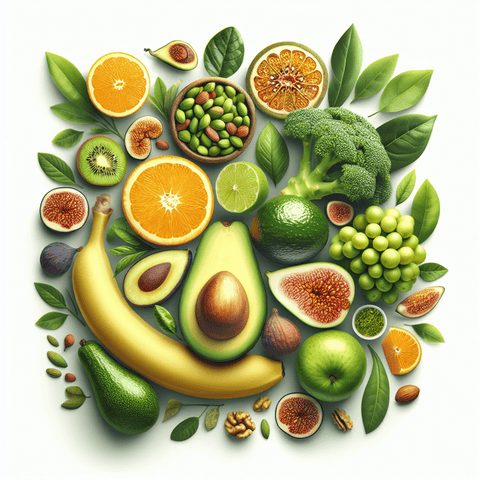
La frutta ricca di magnesio può contribuire all’apporto quotidiano, ma i valori cambiano molto tra prodotti freschi ed essiccati. Tra i frutti comuni, i fichi secchi sono tra le fonti più concentrate per 100 g, mentre l’avocado offre una buona quantità per porzione. L’articolo confronta i principali frutti, spiega se una banana è sufficiente e indica come abbinare la frutta ad altri alimenti o, quando opportuno, a un integratore.
Natural magnesium sources in produce are the plant foods that contain magnesium as part of their natural nutrient profile. Magnesium is a mineral that contributes to normal muscle function, energy metabolism and the maintenance of normal bones, so knowing which foods provide it can be useful for anyone building a balanced diet. This tag page offers a broad overview of magnesium-rich produce, the main food categories, practical ways to include them in meals and the wider context around magnesium nutrition.
What Is Magnesium and Why Does It Matter?
Magnesium is an essential mineral that the body uses in many normal physiological processes. It is involved in muscle function, the nervous system, energy metabolism and the structure of bones. Because the body cannot make magnesium, it must come from food or supplements. A varied diet that includes plant foods can help contribute to magnesium intake alongside other nutrients.
General information about magnesium is not personalised medical advice. Individual magnesium requirements can vary, and anyone with specific health concerns or questions about deficiency should speak with a qualified healthcare professional.
Main Categories of Magnesium-Rich Produce
Magnesium appears in a wide range of plant foods, which means it is possible to find natural sources across several everyday grocery categories. The sections below introduce the main groups and example foods within each.
Leafy Greens
Leafy greens are often among the first foods mentioned when discussing magnesium in produce. Spinach, kale and Swiss chard are common examples. These greens can be used raw in salads or smoothies, lightly cooked as a side dish or added to soups, stews and wraps. Because leafy greens also provide other nutrients, they can be a practical addition to many meals.
Legumes
Legumes such as black beans, lentils and chickpeas are plant foods that contain magnesium along with protein and fibre. They can be used in soups, stews, salads, bowls and side dishes. Canned or dried legumes are both options, and batch cooking dried legumes in advance may make them easier to include regularly.
Nuts and Seeds
Nuts and seeds are concentrated sources of magnesium. Almonds, pumpkin seeds and sesame seeds are frequently cited examples. They can be eaten as snacks, sprinkled over yogurt or salads, or used in recipes. Because they are energy-dense, portion size is worth considering when including them in daily meals.
Whole Grains
Whole grains such as quinoa and oats contribute magnesium in everyday staple foods. Choosing whole grains instead of refined grains can be a simple way to include more magnesium-rich produce in regular meals. They can be used in breakfasts, side dishes, salads and main dishes.
Fruits and Vegetables
Some fruits and vegetables also provide magnesium. Avocado and bananas are common examples discussed in broader nutrition resources. While fruits and vegetables may not always provide magnesium in the same amounts as nuts, seeds or legumes, they can still contribute to overall intake as part of a varied diet.
How to Include Magnesium-Rich Foods in Daily Meals
Including natural magnesium sources in produce does not require a complete diet overhaul. Small, consistent additions can help build variety over time.
- Add a handful of spinach or kale to smoothies, soups or wraps.
- Sprinkle pumpkin seeds, sesame seeds or chopped almonds over yogurt, salads or roasted vegetables.
- Swap refined grains for whole grains such as quinoa or oats in some meals.
- Use black beans, lentils or chickpeas as a component in bowls, soups or side dishes.
- Keep frozen greens and canned legumes on hand for convenient options.
Fresh, frozen and dried produce can all contribute magnesium. Planning meals around one or more magnesium-rich foods can help maintain a varied lineup throughout the week without needing to track every milligram.
Absorption, Bioavailability and Food Form
Magnesium from food is not absorbed in a uniform way. In general, magnesium from plant foods is absorbed less efficiently than magnesium from some animal-based foods, partly because plant foods can contain compounds such as phytates that may bind magnesium. However, this does not mean plant foods are poor sources; it means that the overall diet and the mix of foods matter.
Food processing, cooking and other factors can also influence magnesium content. For example, refining grains can reduce magnesium, while whole grains retain more. This is one reason why whole-food choices and minimally processed options are often discussed in magnesium nutrition.
Plant-Based vs. Animal-Based Magnesium Sources
Magnesium is found in both plant and animal foods. Plant sources include the produce categories above, while animal sources include some fish, dairy and meat. People following plant-based diets can still obtain magnesium from foods such as legumes, nuts, seeds, whole grains and leafy greens. A varied plant-based diet that includes these groups can help support magnesium intake.
When Magnesium Supplements May Be Considered
Food is generally the preferred source of nutrients for most people, but magnesium supplements are sometimes used when dietary intake may be insufficient or when a healthcare professional recommends them. Magnesium supplements come in different forms, and they are not all used in the same way. Questions about dosage, specific forms such as magnesium citrate or glycinate, and interactions with medications are best discussed with a qualified healthcare professional and are covered in more detail in dedicated articles.
For readers exploring broader supplement categories, our magnesium supplement guide and mineral supplements overview provide additional context on these topics.
Common Questions About Magnesium in Produce
Some foods are especially often associated with magnesium. Leafy greens, legumes, nuts, seeds and whole grains are among the categories most commonly highlighted. However, the amount of magnesium in a food depends on the specific food, the serving size and how it is prepared.
Questions about magnesium deficiency symptoms, cravings, specific foods such as bananas, or whether one food alone can meet magnesium needs are more detailed topics. These are better addressed in individual articles linked to this tag page. The purpose here is to provide a broad map of the topic rather than to answer every specific question in depth.
Exploring the Topic Further
This tag page introduces the broad landscape of natural magnesium sources in produce. It covers the main food categories, practical ways to include them and important context around absorption and supplements. For more specific topics, readers can explore the individual articles associated with this tag, which go deeper into particular questions such as deficiency signs, supplement forms and meal planning.
For those interested in other nutrient-focused categories, our natural supplements collection offers a broader view of product types.