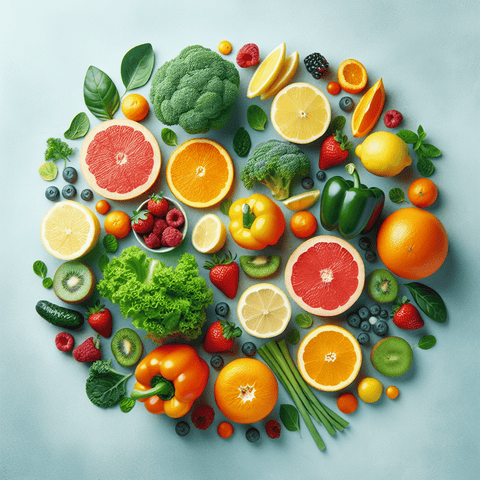
Vitamin C is an essential nutrient that the body needs for various vital functions. Because the human body cannot produce it on its own, it must be obtained through diet. This page provides a high-level, evidence-based overview of the best natural sources of vitamin C, how to compare them, and what to consider when looking at your intake.
Here, we focus on the broad topic of natural sources of vitamin C, exploring the foods that contain it, the general factors that affect its levels, and the different ways to understand its presence in your diet. This serves as a foundational guide, while more specific questions are covered in dedicated articles.
What Are the Best Natural Food Sources of Vitamin C?
Vitamin C is found in a wide variety of plant-based foods. While citrus fruits are the most famous, many other fruits and vegetables contain significantly higher amounts. The most concentrated natural sources are often not what you might expect.
Understanding which foods are richest in vitamin C can help you plan a balanced diet. Here are some of the most commonly cited examples of vitamin C-rich foods:
- Fruits: Guava, kiwi, citrus fruits (oranges, grapefruit), strawberries, papaya, and cantaloupe.
- Vegetables: Red and green bell peppers, broccoli, Brussels sprouts, cauliflower, and kale.
The vitamin C content in these foods is typically reported in milligrams per 100 grams. For instance, a red bell pepper generally contains more vitamin C by weight than an orange. However, the amount can vary based on freshness, storage, and preparation.
Why Do Vitamin C Levels Vary in Foods?
The vitamin C content in a fruit or vegetable is not a fixed number. Several key factors can influence the final amount you consume:
- Variety and Growing Conditions: The specific type of plant and the soil, climate, and sunlight it receives can affect nutrient levels.
- Freshness: Vitamin C begins to degrade after harvest. The longer a food is stored, the less vitamin C it may contain.
- Preparation and Cooking: Heat and water can cause vitamin C loss. Boiling vegetables can lead to some of the nutrient leaching into the water. On the other hand, eating them raw or lightly steamed helps preserve more of the vitamin.
These factors mean that nutrition database values are averages, not exact figures for every piece of produce you buy. A consistent comparison method, like using milligrams per 100 grams, helps you understand relative concentrations better than just comparing a single serving size.
Natural vs. Synthetic Vitamin C: Understanding the Difference
When exploring this topic, it can be helpful to distinguish between vitamin C in its natural form, found in foods, and vitamin C as a supplement. Natural vitamin C comes packaged with other phytonutrients and fiber, which can impact how the body processes it. Synthetic vitamin C, often labeled as ascorbic acid on supplement facts panels, is developed in a lab and is chemically identical to the natural nutrient.
While both can contribute to intake, this page focuses on the natural dietary sources. For those interested in supplements, it is important to look at the broader context of what a product contains. The vitamin C supplement collection provides more details on supplement forms and options.
Factors That Impact Your Vitamin C Needs
While the rich sources of vitamin C are important to know, it's also helpful to understand that requirements can change. Several lifestyle and physiological factors are generally recognized as influencing the amount of vitamin C a person may need. This is a complex area, and the following are broadly accepted considerations rather than strict rules.
- Lifestyle Habits: Smoking, for instance, has been showed to increase the body's requirement for vitamin C.
- Physiological Stress: Situations that inolve high physical or metabolic stress may lead to an increased need.
- Digestive Health: Conditions that affect nutrient absorption in the gut can influence how much vitamin C is taken up by the body.
These are among the more common topics people search for when looking at vitamin C. It is always a good idea to consult with a healthcare professional for advice tailored to your specific health profile.
Common Questions About Vitamin C
A few common quesions often arise when discussing this nutrient. Answering them briefly helps solidify the broader picture.
One frequent question is about getting a high amount, such as 1000 mg, from food alone. While possible, it would require consuming a very large quantity of most fruits and vegetables, as their concentration is spread out over a large mass. For example, you would need to eat a significant amount of a single high-content food like guava or red pepper to reach that number, which is challenging for most diets. This is why supplements exist as a convenient alternative for achieving higher intakes.
Understanding what blocks or depletes vitamin C in the body is also common. Factors like smoking and certain cooking methods are known to affect the body's levels as discussed earlier. This is an area where getting information from a variety of sources is helpful.
Highest Vitamin C Foods
For a quick reference, the following list highlights some of the foods that consistently rank highest in formal nutrition data. These are good starting points for comparing content.
- Guava
- Red Bell Pepper
- Kiwi
- Orange and Grapefruit
- Broccoli and Brussels Sprouts
This is not an exhaustive list, but it provides a strong foundation for understanding the range of natural sources available. Remember that using a reference standard like mg/100g makes comparisons across these foods more meaningful.
Exploring Supplement Options
While obtaining nutrients from food is a primary focus, supplements are a common way for people to manage their intake. If you are considering this route, it is beneficial to look at the range of products available. For a deeper dive into supplement types and considerations, you can explore the multivitamins guide and the superfoods guide for related nutritional contexts. These resources can help you understand how vitamin C fits into a broader approach to nutrition.
Building a Balanced Approach to Vitamin C
Ultimately, understanding natural sources of vitamin C is about making informed choices. This guide provides the high-level map of the topic. Key takeaways include the importance of comparing foods using a standard measurement, recognizing that nutrient levels are not static, and understanding how lifestyle factors can play a role.
For more specific information, explore the related articles featured on this page. They provide deeper dives into specific foods, comparisons, and practical considerations. This page is your starting point for navigating the broad but crucial topic of vitamin C from natural sources.